On May 18 Allied Gaming amp Entertainment Inc formally approved a corporate rebrand to All In FutureTech Alliance Inc signaling a decisive pivot from its origins in esports and live entertainment toward artificial intelligence and digital fiber infrastructure. The announcement capped months of strategic repositioning and set a new course that the company says will prioritize data center investments machine learning platforms and high capacity connectivity services for enterprise customers and regional networks.
What changed and why the timing matters
The name change reflects more than cosmetic rebranding. Board minutes and executive statements show a reallocation of capital budgets toward AI compute clusters fiber buildouts and partnerships with cloud providers. Company leadership framed the move as a response to rising demand for localized compute capacity and resilient networks that can support generative AI workloads and streaming applications that require ultralow latency. For investors the rebrand arrives during an intense period of consolidation in AI infrastructure and when market appetite for practical AI deployment strategies is strong.
Timing also intersects with broader macro trends. Governments and large enterprises are pushing for onshore compute and enhanced digital backbone capacity to reduce vendor concentration and to meet stringent data governance rules. By repositioning as a future technology and infrastructure firm the new All In FutureTech Alliance aims to compete for contracts that were previously outside an entertainment company s typical remit.
Strategy in practical terms
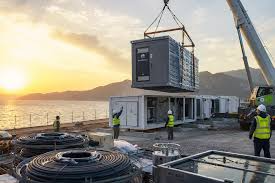
Executives outlined several concrete initiatives that will guide the first 18 months under the AIFA identity. They include accelerated deployment of fiber rings in targeted metro areas selective acquisitions of smaller data center operators conversion of existing event venues into edge compute nodes and investment in proprietary orchestration software that optimizes workload placement across distributed sites. The company also announced exploratory talks with several major cloud providers and hardware vendors to secure equipment and interconnect agreements.
Operationally the company plans to repurpose personnel as well. Event production teams with expertise in live streaming and broadcast will be redeployed to manage large scale data ingest operations. Sales and business development units will add enterprise account managers focused on telecommunications procurement while retaining a consumer facing arm to maintain brand recognition among gaming audiences.
Market reaction and investor questions
On the same day shares moved with notable volume as investors digested the strategic pivot. Analysts greeted the announcement with cautious interest. Some praised the logic of leveraging existing live event assets as potential network points that can host edge servers and fiber terminations. Others raised questions about capital intensity and execution risk given the steep costs of fiber construction and data center buildouts and the fierce competition from established infrastructure providers.
Key investor concerns center on capital allocation discipline timeline for returns and the company s ability to integrate acquisitions effectively. A successful pivot will require clear milestones on capacity deployments service level commitments and meaningful revenue from enterprise and carrier customers rather than reliance on speculative future growth.
Employees, culture and the human story
Inside the company the change has produced a mix of apprehension and excitement. Longtime production staff described the offices as buzzing with late night planning sessions where teams mapped how lighting rigs and broadcast cages could be rewired to host server racks and fiber terminations. For some employees the shift feels like an opportunity to learn new technical skills and to participate in a business with potentially more stable recurring revenue. For others the prospect of retraining or relocation has generated anxiety.
Executives emphasized investments in workforce development including training programs partnerships with technical schools and transition packages for roles that will be phased out. The company also said it will prioritize internal mobility so employees can move into new roles where possible. How well those measures work will shape internal morale and the company s ability to retain institutional knowledge as it refocuses.
Regulatory and geopolitical considerations
Moving into fiber and AI infrastructure places the firm squarely within a regulated and geopolitically sensitive sector. National security reviews procurement rules and cross border data transfer regulations can affect contracts for infrastructure projects. The company indicated it will prioritize partnerships and supply chains that meet domestic compliance standards and that it will engage proactively with regulators where projects touch critical communications infrastructure.
Observers note that firms entering this space must navigate complex permitting regimes for fiber, negotiate rights of way, and manage local stakeholder relationships. AIFA s prior experience securing event permits may help but the scale and technical requirements for telecom deployment are distinct and require deep local expertise.
Competitive landscape and partnership opportunities
AIFA will face competition from incumbent telecommunications companies hyperscalers and specialized infrastructure funds. That said there are partnership avenues that can accelerate entry. Joint ventures with regional fiber builders strategic equity investments by cloud providers and white label hosting arrangements with systems integrators can provide capital and customer pipelines. Executives said they are seeking anchor customers for early fiber rings and committed compute tenants for repurposed facilities to ensure cash flow during rollouts.
Industry analysts suggest that niche positioning around event driven edge compute and rapid pop up capacity for streaming and live events could be a differentiator if marketed effectively. Companies that can provide turnkey edge solutions for media companies broadcasters and event producers may capture a unique part of the market where latency and local presence matter most.
Financial roadmap and milestones to watch
The company released a preliminary financial roadmap that outlined staged capital commitments and target metrics. Important milestones include securing regulatory approvals for fiber builds winning initial enterprise contracts completing the first converted edge nodes and reporting quarterly revenue from non entertainment sources. Investors and industry watchers will also monitor margin trends as infrastructure businesses often require scale before generating substantial operating leverage.
Additional financial signs to watch are any debt financed acquisitions and the company s approach to managing financing costs in an environment where interest rates remain a factor in capital heavy projects. A clear financing plan will be essential to maintain credibility with partners and creditors.
What this means for customers and communities
If executed well the pivot could bring faster local networks expanded compute capacity and new service options for media producers and enterprises in the regions where AIFA invests. Community impact will depend on rollout geography and how the company balances commercial goals with equitable access. Municipalities could benefit from increased connectivity and potential job creation during construction and operations phases while local businesses may gain access to lower latency services for digital offerings and remote operations.
For now the rebrand is a statement of intent. The company has renamed itself and retooled its narrative. The next months will reveal whether All In FutureTech Alliance can match strategic ambition with disciplined execution and deliver tangible infrastructure that communities and customers can rely on.
Would you like a deeper analysis of AIFA s proposed fiber routes and likely markets or a breakdown of how venue conversions to edge compute might work technically and economically?