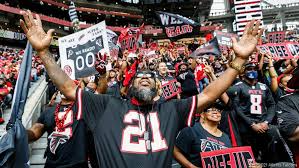
On May 18, 2026, Sports Business Journal released its annual market rankings and named Atlanta the number one sports business city in the United States. The designation reflects more than a single season of success. It recognizes sustained corporate investment, an expanding stadium ecosystem, and the arrival of high profile international events that together have reshaped the city as a hub for sports commerce, media production, and fan experiences.
Why Atlanta rose to the top
The ranking reflects a convergence of forces. Atlanta benefits from deep corporate sponsorship networks and a well connected airport that funnels fans and talent. Recent public and private investments in new venues and renovations have kept the city competitive for hosting major matches and events. Perhaps most visible this year is Atlanta’s role as a host for FIFA World Cup matches, which has amplified local business activity and drawn global attention to the market.
Corporate partnerships and local capital
Atlanta’s business landscape provides a reliable backbone for sports operations. Major headquarters and regional offices of Fortune 500 companies contribute sponsorship dollars, corporate hospitality demand, and year round activation budgets. These relationships produce predictable revenue streams for franchises and venue operators, enabling longer term planning and sustained marketing campaigns. For local vendors and service providers this means steadier contracts and the ability to scale operations to meet national and international event needs.
Stadium projects reshaping neighborhoods
The city’s stadium developments represent another pillar of the ranking. New construction and targeted renovations have focused on multimodal transport access, mixed use activation around venues, and upgraded broadcast capabilities. These projects increase match day capacity while also creating revenue opportunities on non event days through concerts, conventions, and corporate events. Neighborhoods near major venues have experienced a mix of economic uplift and growing pains as small businesses adapt to increased foot traffic and rising rents.
The World Cup effect and international visibility
Hosting FIFA World Cup matches this spring and summer has magnified Atlanta’s status. International teams, broadcasters, and traveling supporters bring hotel bookings, international media coverage, and local spending that reach far beyond stadium gates. The presence of global television crews tests the city’s production infrastructure and provides a showcase for Atlanta as a destination capable of staging events at the highest level.
That spotlight often translates into business development. International exposure can accelerate deals for broadcast rights, tourism partnerships, and sports technology pilots. For local leagues and collegiate programs the elevated profile creates new recruiting advantages and larger sponsorship conversations.
Economic ripple effects
The immediate financial impact includes increased hospitality receipts, higher game day concessions, and incremental retail sales. Secondary effects show up in job creation for event staffing, security, media production, and transportation logistics. Long term gains are visible in strengthened brand equity for franchises, improved balance sheets for venue operators, and new business formation in adjacent service industries.
What this means for fans and communities
For fans the ranking promises richer experiences. Upgraded facilities and expanded corporate sponsorships often fund better in stadium amenities, enhanced broadcast coverage, and community outreach programs. At the same time, rising costs associated with premium experiences can push some longtime supporters to seek alternative viewing options, shifting the dynamic of local fan bases.
Community advocates point to both positive and cautionary signals. Investments can support youth sports and civic programming, yet they may also accelerate development pressures that displace small retailers and residents. City officials and team owners frequently emphasize legacy agreements and community benefit commitments when negotiating stadium deals, but implementation and monitoring remain critical.
Voices from the field
Local sports executives highlight Atlanta’s logistical advantages. With one of the busiest airports in the world and a dense corporate ecosystem, executives say the city makes event planning more efficient. Broadcasters note improved fiber and production infrastructure that reduces setup time and cost. Small business owners near stadium corridors describe heightened sales on event days while also voicing concern about rent spikes and the seasonal nature of demand.
Fans offer another perspective. Many celebrate the influx of marquee events and rising national profile. Others express anxiety that premium seating and corporate hospitality suites change the social texture of match day gatherings. These mixed reactions underscore the complex social dynamics that accompany rapid sports led growth.
Long term outlook and strategic questions
Atlanta’s top ranking is both a milestone and a mandate. To sustain its position the city will need to balance growth with inclusive planning. Key areas to watch include:
- Transportation investments that reduce congestion and improve access to venues, especially during large scale international events
- Affordable housing and small business protections near stadium districts to prevent displacement
- Workforce development programs that convert temporary event jobs into career pathways for local residents
- Partnership frameworks that ensure a measurable community benefit from corporate and franchise investments
Policy and public private collaboration
Public officials and team owners must refine agreements that tie public support to clear, enforceable legacy commitments. This can include milestones for hiring, youth programming, and local procurement that are auditable and time bound. Effective collaboration also requires transparent data sharing on economic impact so policymakers can make informed decisions about future subsidies and approvals.
How Atlanta compares nationally
Compared to other major markets Atlanta stands out for its mix of corporate depth, transportation logistics, and a receptive civic environment for stadium projects. While some traditional sports cities rely heavily on long established franchise revenues, Atlanta’s recent growth strategy emphasizes event diversification and international engagement. The result is a market that attracts global tournaments as well as steady domestic league interest.
Other cities will likely pursue similar plays as they seek to grow their own sports economies. Atlanta’s challenge will be to convert this momentum into durable infrastructure, a broad based talent pipeline, and community outcomes that benefit a wider cross section of residents.
Context and further reading
Sports Business Journal published the full rankings and methodology for this year which detail metrics such as corporate sponsorship, media market size, venue development activity, and event hosting capacity. For those seeking a deeper dive into the data and national comparisons the ranking report is available at Sports Business Journal and additional context on global tournament hosting appears on FIFA’s official site.
Atlanta’s designation as the leading sports business city recognizes deliberate choices by public leaders, team owners, and corporate partners. It also creates new expectations for equitable growth. How the city manages those expectations will determine whether this ranking is the start of a durable era or a momentary high point.