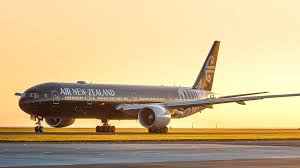
We watched a quiet but consequential shift take shape across airports from London to Singapore as airlines reengineered long haul corridors to reduce exposure to rising environmental compliance charges and new jet fuel levies. The result has been longer flight times, altered stopover hubs, and a steady climb in baseline fares for intercontinental travel. What passengers feel as longer nights over foreign airspace or an unexpected connection in a city they never planned to visit has deeper roots in regulatory policy, airline economics, and climate accountability.
Why flight paths are changing now
Airlines responded this spring to a patchwork of regional climate fees and increased fuel taxes by recalculating route profitability. A growing number of jurisdictions introduced carbon accountability measures that apply to aviation emissions or to imported jet fuel. When a route passes through or refuels in such jurisdictions, carriers face heavier charges. Airlines evaluated alternatives and found three main levers they could use to limit exposure while keeping schedules intact. First, they altered great circle tracks to avoid high charge zones where possible. Second, they shifted refueling and technical stop patterns to countries with lower levies. Third, where rerouting was not feasible, they absorbed the costs and passed them on to passengers through fare inflation or new surcharges.
How regulators triggered the change
Policy shifts in 2025 and 2026 created asymmetric cost pressures. Several European and Asia Pacific governments expanded carbon reporting and began taxing aviation fuel sales within their borders. Some measures targeted airlines directly while others targeted suppliers, but the economic effect was similar. Carriers that refueled in high charge ports saw their per flight operating cost rise materially. Those accounting changes coincided with tighter scrutiny under international frameworks that encourage accurate emissions allocation by flight leg and by operator. The outcome was predictable for any profit driven enterprise we study: reroute where possible, or make the customer pay.
What passengers now experience at the airport
Travelers report longer flights and unusual stopovers. A family flying from New York to Mumbai might now transit through Istanbul instead of Dubai because the revised routing avoids refueling in a high tax port. A business traveler flying between Frankfurt and Bangkok may accept a slightly longer in flight time to sidestep a fuel levy applied in certain Gulf states. Onboard, the difference is subtle: a change in the timing of meals, the appearance of unexpected sunrise on a different leg, or an extra hour in the cabin. Off the aircraft, connections that once used a familiar hub now arrive at alternative airports, creating those small frictions that make travel feel more cumbersome and expensive.
Wider economic effects for airlines and hubs
Hubs that lose traffic to reconfigured routes face immediate revenue declines. Airport service revenues from landing fees, retail concession sales, and ground handling can shrink when carriers stop routing through a city. Airlines that establish new technical stops invest in crew logistics and ground support, and some low cost carriers are experimenting with point to point adjustments to preserve margins. For full service carriers the calculus is often about fleet utilization and long term market position. Several airlines told us they are reallocating mid age aircraft to routes that now see more flying hours because avoiding a tax zone may require slower airways or additional distance.
Environmental intent and unintended consequences
Policymakers designed fuel taxes and carbon fees to internalize the environmental costs of aviation and to incentivize cleaner operations. Those goals remain legitimate. However, in practice the measures can shift emissions geographically without reducing the global total. A longer routing around a taxed airspace burns more fuel overall for the same origin and destination. That outcome creates a policy paradox: regional pricing can raise the global emissions baseline if it incentivizes longer flights. International coordination is necessary to prevent cost shifts from simply moving pollution along new corridors.
How airlines are adapting operationally and commercially
Carriers have adopted several strategies to soften the blow. They are negotiating fuel contracts with suppliers outside of high tax jurisdictions, optimizing flight altitudes and speeds to reduce consumption on elongated legs, and experimenting with selective capacity reduction on routes where rerouting is uneconomic. Commercially, some airlines introduced explicit climate levies on tickets while others folded the costs into fare classes. Frequent flyer programs are also adapting by offering flexible rebooking to reduce the pain of route adjustments for loyal customers.
Example operational changes we observed
- Route planners recalculating cost per seat mile to include port specific levies, then selecting between a longer low tax corridor or a shorter taxed corridor.
- Redistribution of technical stops to airports in countries with more favorable fuel taxation regimes.
- Use of real time fuel price hedging and increased reliance on contracts that fix fuel uplift costs for defined time windows.
What this means for price and consumer choice
For travelers the baseline cost of intercontinental travel rose as airlines pass through regulatory costs. That increase looks like higher base fares or new line items on a booking confirmation. Consumers will face a spectrum of options. Price sensitive passengers may choose longer routes with more connections if the fare is lower. Time sensitive passengers will pay premiums for direct routings where available. Corporate travel policies are likely to adapt, favoring carriers or routings that deliver consistent total trip time or that provide transparent environmental accounting for business reporting.
Policy responses to avoid perverse outcomes
To minimize unintended consequences policy makers should coordinate tax and carbon mechanisms across regions. Global instruments that align incentives would reduce the incentive to route around a jurisdiction and thereby curb the risk of increased global fuel burn. An example of a coordinating body is the International Civil Aviation Organization which maintains standards for aviation emissions accounting and can convene cross border discussions. Researchers also propose destination based levies that apply uniformly or revenue sharing mechanisms that compensate hub airports for lost traffic so rerouting is less attractive purely for cost avoidance.
Where technology and fuel options fit in
Long term, the industry looks to sustainable aviation fuels and aircraft technology to change the equation. Sustainable aviation fuels reduce lifecycle carbon and can be blended with conventional jet fuel, but supply constraints and price premiums remain major barriers. Electric propulsion and hydrogen aircraft could eventually eliminate the problem for short and medium haul routes, but long haul technology readiness remains a decade or more away. Until then, fuel taxation and carbon pricing will affect commercial routing decisions and passenger economics.
How travelers can prepare
Passengers can protect themselves by checking routing and fuel stop details when booking and by comparing total travel time and layover length rather than price alone. Flexible tickets and travel insurance that covers disruptions provide additional resilience. For frequent travelers, tracking airline announcements about new technical stops and updates to route maps helps set expectations for future trips.
Final reflections
We recognize that climate accountability for aviation is necessary and overdue. The current pattern of rerouting highlights a classic policy trade off. Regional measures can accelerate change but can also create perverse incentives if they are not part of a harmonized international framework. For travelers the immediate impact is clearer travel itineraries that take longer and a steady nudge in ticket prices. For policy makers the lesson is that environmental instruments must be designed with systemic effects in mind to prevent cost driven reroutes from adding to the global emissions burden.
For deeper context on international aviation emissions accounting read the International Air Transport Association overview and the International Civil Aviation Organization guidance for aviation carbon measurement and policy design.