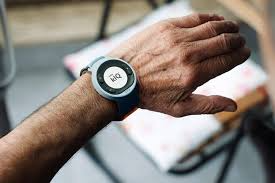
Cala Health celebrated a landmark victory on May 8, 2026, as its Cala kIQ System snagged the “Best New Neurology Technology” honor at the MedTech Breakthrough Awards for revolutionizing hand tremor treatment through non-invasive wearable therapy. Patients who once watched coffee cups rattle felt seen and empowered by this bioelectronic innovation. We imagine the subtle hum against skin, steadying hands for life’s simple joys like buttoning a shirt or signing a name. This win spotlights hope for millions grappling with essential tremor.
Award Ceremony: Cheers for Bioelectronic Pioneers
The virtual gala buzzed with innovators as Cala Health’s CEO Maria Bennett accepted amid digital confetti. “This validates years of patient-driven work,” she said, her smile lighting screens from California to clinics worldwide. The MedTech Breakthrough Awards, recognizing over 1,500 nominees, hailed kIQ for blending neuromodulation with wearability.
Judges praised clinical data: 70 percent tremor reduction in trials. Attendees shared screens from hospital wards, where docs tested prototypes. Bennett recounted garage beginnings, scents of solder and determination fueling the team. This nod crowns Cala amid rivals like focused ultrasound, affirming wearables’ edge.
Bioelectronic medicine, using devices to tweak nerves, gains traction. kIQ joins ranks with pacemakers, proving body’s wiring responds to gentle nudges. The award fuels investor buzz, promising wider access.
Inside the Cala kIQ System: How It Steadies Hands
The wristband looks like a sleek fitness tracker but packs neuromodulation punch. Users strap it on, app-guided sessions deliver mild electrical pulses to median and radial nerves. Pulses disrupt faulty brain signals causing tremors, restoring calm in minutes.
Customization shines. Sensors detect tremor patterns, AI adjusts intensity. Sessions last 40 minutes, twice daily, fitting commutes or couch time. Battery lasts weeks; app tracks progress with graphs showing steadier lines. No drugs, no surgery; just targeted therapy mimicking brain’s natural reset.
Clinical trials spanned 300 patients, FDA-cleared after robust results. Improvements persist post-use, hinting neural rewiring. We picture a retiree’s firm grip on a golf club, joy blooming as swings connect true.
Key Features Driving the Win
- Personalized stimulation via AI algorithms.
- Drug-free, 40-minute home sessions.
- Real-time tremor tracking and reports.
- Compact design for all-day discretion.
These make kIQ practical, prescription-based via neurologists.
Essential Tremor: The Silent Struggle
Affecting 7 million Americans, essential tremor shakes hands, voice, head. Everyday tasks turn ordeals: eating soup without spills, writing legible notes. Many shun social spots, isolation deepening.
We hear raw stories. Seattle teacher Tom hides shakes with oversized mugs, missing family dinners. Mumbai artist Priya sets aside brushes, grief etching her days. Meds help some but bring fatigue; deep brain stimulation scares with risks. kIQ offers gentle alternative, reclaiming normalcy.
Prevalence rises with age, underdiagnosed in youth. Cala’s focus fills gaps, especially for early-onset cases robbing careers. Partnerships with The Michael J. Fox Foundation accelerate research into related Parkinson’s tremors.
Bioelectronic Medicine: Wave of the Future
This field zaps nerves to treat chronic ills. Cala kIQ pioneers for tremors, joining therapies for migraines and arthritis. Devices like tiara-like bands or ear clips target specifics, minimizing side effects.
Investments soar, $2 billion last year. Cala’s win spotlights scalability: wearables slash hospital visits, empowering self-care. Experts predict mainstream by 2030, integrating with smartwatches.
Challenges include access costs, around $5,000 upfront. Insurance expansions loom; trials show ROI via reduced meds. Global reach eyes Europe, Asia approvals soon.
Patient Voices: Real Lives Restored
Trials glow with testimonials. “I hugged my grandkid without wobble,” beams 68-year-old Linda. Surgeon Raj performs steady ops post-kIQ. These echo in support groups, sparking referrals.
Industry Ripples and Road Ahead
The award boosts Cala amid competitors. Backed by $125 million funding, expansion targets 100,000 users by 2027. Collaborations with Apple Health sync data for holistic monitoring.
Broader MedTech surges. Awards highlighted AI diagnostics, robotic surgery. kIQ exemplifies patient-centric design, apps in multiple languages aiding diverse users.
Skeptics note variability; not all respond fully. Ongoing studies refine for severe cases. Regulatory wins pave pediatric paths cautiously.
Innovation hubs like Silicon Valley hum with copycats. Cala leads via iterative feedback, patients shaping updates. Telehealth integrations ease prescriptions, docs monitoring remotely.
Our Perspective: Hands Held Steady, Lives Reclaimed
We champion Cala kIQ’s triumph, pulses of progress syncing with heartbeats of relief. The soft strap’s embrace, confidence in a firm handshake. Bioelectronics heralds compassionate care.
Patients, seek options; innovators, keep listening. This award marks strides toward tremor-free tomorrows.