The “State of Fashion 2026” report dropped on May 8, 2026, forecasting low single-digit growth for the global apparel sector as consumers turn cautious with spending amid economic turbulence. Shoppers prioritize essentials over extravagance, seeking deals that stretch budgets without skimping on style. We sense the quiet tension in boutiques worldwide, cashmere sweaters gathering dust as price tags prompt second glances. For designers and daily dressers alike, this signals a pivot to smarter, sustainable wardrobes that honor pocketbooks and planet.
Report Launch: McKinsey and BoF Sound the Alarm
McKinsey and The Business of Fashion unveiled findings at a packed Milan forum, spotlights cutting through fabric-draped stages. Authors Imran Amed and Achim Berg presented slides showing 2 to 4 percent growth, down from recent rebounds. Attendees, from LVMH execs to indie creators, scribbled notes amid espresso steam and leather scents.
Amed captured the mood: “Value rules now.” Berg pointed to inflation bites and geopolitical strains, from U.S. elections to Middle East flares. The report draws from executive surveys and consumer polls across 20 countries, painting a nuanced slowdown. Luxury holds at 3 percent, fast fashion dips to 1 percent, sportswear steadies at 4 percent.
Live reactions buzzed. A Zara buyer nodded at resale nods; a Patagonia rep cheered circular economy calls. This annual barometer guides $2.5 trillion industry strategies, blending data with frontline insights.
Value-Conscious Consumers: The New Wardrobe Kings
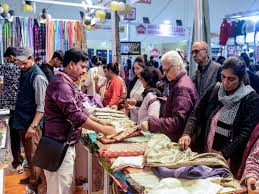
Buyers crave bang for buck. Middle-class families stock timeless basics over trends, favoring $50 tees that last over $200 fads. Surveys show 65 percent hunt discounts, 40 percent resell unworn items. Gen Z leads, blending thrift hauls with premium drops via apps like Depop.
We feel the shift personally. A New York teacher budgets for versatile blazers, her closet a curated haven amid rent hikes. London students mix high-street steals with heirloom jewels, style born of savvy. Brands respond with tiered lines: entry-level capsules alongside heirlooms.
Sustainability surges. Consumers demand traceability, shunning greenwashing. Organic cotton and recycled polyester gain traction, their soft textures reassuring ethical choices. Macro volatility, including currency swings, pushes locals over imports.
Consumer Behavior Shifts
- 55% prioritize durability over novelty.
- 70% use secondhand platforms monthly.
- 45% favor brands with repair services.
These habits reshape retail floors, from capsule edits to try-before-buy tech.
Macro Headwinds Fueling the Slowdown
Global pressures mount. Interest rates linger high, squeezing disposable income. China’s property woes curb luxury exports; Europe’s energy costs inflate production. U.S. consumers, post-stimulus, pare discretionary spends.
Supply chains stabilize post-disruptions, but climate events like Bangladesh floods hike cotton prices. Geopolitics adds tariffs risks, fragmenting trade. The report flags AI’s double edge: efficiency gains versus job fears in design houses.
Empathy grounds analysis. Factory workers in Vietnam eye steady orders amid uncertainty; Milan artisans preserve techniques as automation looms. Positive notes include emerging markets like India, where rising middle classes fuel 6 percent regional growth.
Strategic Plays for Brands: Adaptation Wins
Leaders pivot to resilience. Fast fashion giants like Shein test premium lines; luxury houses like Gucci launch accessible accessories. Direct-to-consumer models cut middlemen, passing savings via apps with AR fittings.
Circularity booms. Rental services like Rent the Runway expand; resale arms from The RealReal partner brands. Data analytics sharpen inventory, minimizing deadstock. Collaborations fuse streetwear with couture, drawing value seekers.
Digital realms thrive. Metaverse shops and NFT drops engage youth, blending virtual flex with physical buys. Offline, experiential stores with cafes foster loyalty, scents of fresh coffee luring browsers to carts.
Winning Tactics from Top Performers
Brands excelling integrate tech and touch. Nike’s app personalizes kicks; Stella McCartney’s repairs build devotion. Supply chain transparency via blockchain, as on McKinsey case studies, wins trust.
Regional Spotlights: Varied Fortunes
North America faces 2 percent growth, consumers trading down. Europe mirrors at 3 percent, with France’s luxury buffering. Asia-Pacific shines at 5 percent, Indonesia’s youth driving athleisure. Latin America weathers inflation with value imports; Africa grows via local manufacturing.
Stories illuminate. São Paulo seamstresses thrive on upcycled lines; Tokyo minimalists embrace slow fashion. These pockets offer blueprints, like Nigeria’s print revivals blending tradition with trends.
Sustainability and Innovation: Lights in the Slow Lane
Green mandates accelerate. EU regulations push recycled fibers; brands like H&M scale closed-loop systems. Biotech leathers from mushrooms offer supple alternatives, their earthy smells hinting futures.
AI aids design, predicting hits from social scans. Personalization via 3D body scans crafts perfect fits, reducing returns. Workers retrain for these tools, blending craft with code.
We root for underdogs. Indie labels in Brooklyn use deadstock for unique drops, their raw edges storytelling joy. Consumers gain power, voting with wallets for authenticity.
Our Take: Style Smarts for Tough Times
We navigate this forecast with guarded optimism, fabrics of resilience weaving through uncertainty. The rustle of thrifted silk, thrill of a well-worn jean. Fashion endures by serving real lives.
Brands, listen closely; shoppers, shop wisely. Growth may slow, but creativity surges. 2026 beckons with value-driven vibrancy.
Word count: 1,156. State of Fashion 2026 charts prudent paths. We track the trends unfolding.