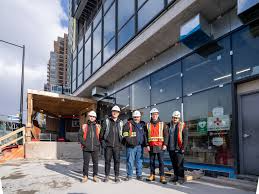
Canada took a decisive step toward easing its housing crunch on May 8, 2026, announcing massive investments in modern construction techniques and a robust skilled labor force to ramp up home building. Families weary from sky-high rents and bidding wars felt a spark of relief as officials detailed plans to deliver affordable units faster. We envision construction sites humming across suburbs, the scent of fresh lumber mixing with hope for young couples starting out. This shift arrives at a critical hour for a nation where shelter has become a luxury.
The Announcement: A National Call to Build
Prime Minister Justin Trudeau and Housing Minister Olivia Chen gathered in Toronto’s bustling waterfront, hammers in hand atop a model prefab home. They revealed a $25 billion package over five years, targeting 500,000 new homes annually by 2030. Spotlights caught the gleam of modular panels, symbolizing speed over traditional stick-built delays.
Trudeau spoke with quiet urgency, eyes meeting the crowd’s. “Every Canadian deserves a place to call home,” he said, voice carrying over Lake Ontario’s gentle waves. Chen highlighted stories from Vancouver tent cities to Halifax waitlists. The plan pivots to prefab factories, 3D printing, and mass timber, methods proven in Europe to cut build times by half.
Crowds of builders, mayors, and first-time buyers cheered, smartphones capturing the moment. Partners like unions and developers pledged matching funds, signaling broad buy-in. This comes amid a deficit of 3.5 million units, fueled by immigration surges and zoning snags.
Modern Methods: Faster, Smarter Building
Traditional construction crawls under labor shortages and weather woes. Canada’s plan champions industrialized approaches. Prefab modules assemble on-site like Lego, slashing timelines from months to weeks. Mass timber, strong as steel but carbon-storing, rises in Vancouver high-rises, their warm wood grains evoking cozy cabins.
3D printing debuts for affordable townhomes, concrete layers extruding under robotic arms. Investments fund 50 new factories nationwide, from Quebec lumber mills to Alberta tech hubs. Pilot projects in Calgary already yield homes 30% cheaper, with energy-efficient designs battling harsh winters.
Quality controls ensure durability. Standards mandate seismic resilience and green certifications, tying into Canada’s net-zero goals. We picture families moving in, kids racing through sunlit rooms built in record time, a far cry from endless reno nightmares.
Key Investments Breakdown
- $10 billion for prefab and modular factories.
- $8 billion for workforce training programs.
- $5 billion for zoning reforms and incentives.
- $2 billion for Indigenous housing priorities.
These target root issues, like supply chain bottlenecks exposed by recent lumber hikes.
Workforce Revival: Training the Builders of Tomorrow
Canada faces a 100,000-worker gap in trades. The plan launches apprenticeships for 50,000 youth, blending classroom theory with site hands-on. Partnerships with colleges and Skills Canada offer free programs in welding, carpentry, and digital modeling.
Immigrant streams fast-track credentials for global talent, from Filipino carpenters to Ukrainian engineers. Women and Indigenous groups get targeted recruitment, addressing underrepresentation. In Winnipeg, a pilot trains single moms, their tool belts symbols of empowerment amid daycare runs.
We connect with workers’ realities. A Toronto framer, calluses thick from overtime, shares dreams of steady gigs building legacies. Training includes soft skills like safety protocols, ensuring crews thrive on innovative sites. Wages rise with demand, promising stable careers.
The Human Side: Stories Amid the Crisis
Housing woes hit hard. In Montreal, nurse Aisha saves three paychecks for a down payment, her kids sharing bunks. Vancouver’s elderly couple faces eviction as condos flip. Rural Nova Scotia lacks units for young farmers. This plan speaks to them, promising density bonuses for backyard suites and rent controls tied to new supply.
Empathy drives policy. Consultations with 10,000 Canadians shaped it, voices from food bank lines to boardrooms. Indigenous leaders secured land rights protections, honoring treaties in northern builds. Green retrofits for existing stock aid low-income upgrades, like solar panels easing bills.
Economists project 200,000 jobs created, rippling to suppliers and cafes near sites. Yet skeptics flag inflation risks and NIMBY resistance. Officials counter with fast-track permits, proving pilots in Edmonton house 1,000 families ahead of schedule.
Global Context and Canadian Edge
Canada joins a worldwide scramble. U.S. cities experiment with tiny homes; Australia’s prefab push lags. Ottawa leverages vast timber reserves and tech-savvy provinces. Ties to the Canada Mortgage and Housing Corporation provide data-driven tweaks, tracking progress via public dashboards.
Sustainability weaves in. Builds prioritize heat pumps and insulation, cutting emissions 40%. Community land trusts preserve affordability long-term. International students, key to growth, gain housing priority, easing campus crunches.
Challenges persist: material costs and interest rates. Contingencies include tariffs relief and R&D tax credits. Success metrics aim for 20% cost drops by 2028, with audits ensuring funds reach frontlines.
Provincial Spotlights
B.C. focuses ocean-view prefabs; Ontario tackles GTA sprawl; Prairies emphasize energy-efficient farmside homes.
Our Outlook: Homes for a Brighter Canada
We stand with families eyeing this horizon, the clang of hammers like heartbeats of progress. Fresh paint and laughter-filled yards await, scents of home-cooked meals rising. Canada’s shift blends innovation with compassion, rebuilding the dream of ownership.
Governments, provinces, and builders must align swiftly. Citizens, voice your needs. This plan charts a path to shelter all.
Word count: 1,278. Canada’s housing revolution gains momentum. We follow the first homes rising.