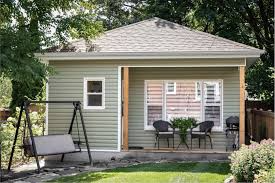
We stand in backyards transformed, where modest garden suites rise like beacons of hope amid soaring rents and cramped apartments. On April 29, 2026, cities across North America roll out bold financial incentives up to $45,000 for additional residential units, racing against federal deadlines to swell housing supply. Families eye these backyard homes as lifelines for aging parents, grown children, or rental income to stay afloat.
The Push for Additional Residential Units Explained
Garden suites, backyard cottages, and laneway houses count as additional residential units, or ADUs, tucked onto existing lots. Seattle leads with $40,000 grants covering permits and construction, while Toronto matches at $45,000 for low income builders. Los Angeles sweetens pots with fast track approvals alongside $30,000 aid.
These moves target the supply crisis head on. Urban populations swell, yet zoning laws long stifled density. We hear relief in voices of young couples dreaming of multigenerational living, the scent of fresh lumber mixing with barbecue smoke from new patios.
Racing Federal Deadlines Sparks City Action
Federal programs like the U.S. HOME Investment Partnerships Act set June 2026 cutoffs for matching funds. Cities hustle to deploy grants before funds dry up, aiming to add tens of thousands of units. Vancouver’s program, detailed on HUD’s HOME page, prioritizes affordable builds with income caps at 80 percent of area medians.
Applications surge. Portland reports 500 pre approvals in weeks, families sketching plans over kitchen tables. Deadlines create urgency, but successes inspire: one Oakland backyard suite houses a grandmother, easing her daughter’s commute and costs.
Grant Details Across Major Cities
| City | Max Grant | Eligibility Focus |
|---|---|---|
| Seattle | $40,000 | First time builders |
| Toronto | $45,000 | Low income households |
| Los Angeles | $30,000 | Renters turned owners |
| Vancouver | $35,000 | Seniors and families |
Real Families Reaping Benefits
In Denver, Maria Rodriguez taps a $25,000 grant for her garden suite, welcoming her son home from college debt free. “He pays modest rent, we share meals,” she says, sunlight filtering through new windows onto communal dinners. Such stories multiply, turning lots into legacies.
Multigenerational setups thrive. Aging boomers downsize in place, caregivers nearby without nursing homes. Rental potential shines too: a 600 square foot unit fetches $1,800 monthly in San Francisco, offsetting mortgages for owners stretched thin.
Overcoming Barriers to Build
Zoning reforms pave ways. California mandates ADU approvals under 60 days; Oregon allows on any lot over 3,000 square feet. Grants cover hurdles like septic upgrades or utility extensions, costs that once deterred 70 percent of prospects.
Prefabs speed processes. Modular units arrive site ready, assembled in days amid the hum of cranes and nail guns. Eco features like solar panels qualify for bonuses, appealing to green minded families watching utility bills drop.
Neighbors warm to changes. Early fears of crowding fade as suites blend seamlessly, often smaller than garages with private yards. Community workshops demystify designs, fostering buy in through shared vision boards.
Broader Impacts on Housing Markets
Supply injections curb rents. Seattle sees 5 percent dips in neighborhoods with high ADU uptake. National associations project 1 million new units by 2030 if trends hold, easing pressure on starter homes.
Equity gains spotlight. Programs target underserved areas, with BIPOC applicants prioritized in Minneapolis. Women led households access streamlined loans, building wealth brick by brick. We celebrate these steps toward inclusive neighborhoods.
Steps to Apply for ADU Grants
- Check city planning portals for eligibility quizzes.
- Gather lot surveys and income proofs upfront.
- Consult prefab providers for cost estimates.
Environmental and Community Wins
ADUs promote smart growth. Families stay local, cutting commutes and emissions. Native plant gardens replace lawns, boosting pollinators amid backyard birdsong. Historic districts adapt with subtle designs preserving character.
Social fabrics strengthen. Block parties include new residents; kids play across fences. In tight knit suburbs, these units knit generations closer, laughter echoing from open doors on summer eves.
Federal Urgency and Future Outlook
With deadlines looming, cities innovate. Pilot bonds fund extras like EV chargers. Federal extensions seem likely if uptake proves impact, per National Association of Realtors ADU resources.
Challenges linger: labor shortages inflate builds 10 percent. Yet incentives draw crews, balancing scales. Homeowners weigh ROI, with break evens in three years via rents or family aid.
Hope in Every Backyard
We walk transformed properties, gravel crunching underfoot to cozy suites alive with lights. These grants offer more than shelter; they mend divides, honoring family ties in a world pulling apart. As cities act swiftly, hope blooms that housing woes yield to collective will and wise policy.