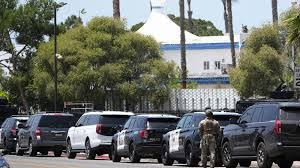
A shooting at an Islamic center in San Diego on May 19, 2026 left a community reeling and prompted local police to treat the attack as a suspected hate crime. Details remain limited as investigators work to establish motive, identify victims and preserve the scene. We report with care for the people affected and with attention to the legal, social and emotional aftermath that unfolds after violence aimed at a religious community.
What is known so far
San Diego police responded to emergency calls in the early evening and found multiple victims at the Islamic center. First responders provided lifesaving care on site before transporting those in need to nearby hospitals. Authorities announced that the incident is being investigated as a suspected hate crime given evidence recovered at the scene and witness statements that suggest the attacker targeted the location because it is a place of worship for Muslims.
Investigators are gathering forensic evidence, reviewing surveillance footage and interviewing witnesses. Officials have not yet released the names of the victims or detailed descriptions of injuries while next of kin are notified. Police have urged the public to avoid speculation, to respect the privacy of families and to allow investigators to complete their work without interference.
Immediate impact on the community
At the Islamic center the air felt heavy with grief and disbelief. Mourners gathered outside as staff coordinated with emergency services and community leaders. For many faith communities a place of worship is also a refuge where people find comfort and belonging, and an attack there has acute psychological effects that extend beyond the immediate victims.
Leaders from local mosques and interfaith groups arrived to offer support, set up counseling resources and coordinate communications with congregants. Volunteers mobilized to help families with practical needs including hospital visits, meals and legal assistance. Schools and workplaces with ties to congregants started outreach to provide bereavement support and temporary accommodations for those directly affected.
Legal framework and hate crime classification
Under state and federal law crimes motivated by bias against religion can carry enhanced penalties. Classifying an incident as a suspected hate crime indicates investigators have found preliminary evidence that the attack was motivated by bias. That designation guides investigators to pursue additional lines of inquiry such as the offender’s prior statements, online activity and any contacts with extremist groups.
Federal authorities may become involved if the case crosses state lines, involves civil rights violations or benefits from federal investigative resources. Prosecutors will eventually decide whether to file hate crime charges in addition to other criminal counts, and those decisions rest on the strength of evidence about motive and intent.
Broader context of anti Muslim violence
Attacks on places of worship are particularly damaging because they target communal life and religious expression. Over recent years advocacy groups have documented rises in anti Muslim incidents including harassment, vandalism and assault that erode feelings of safety among Muslim Americans. Community leaders and civil rights organizations often call for improved protections, training for first responders and sustained efforts to address online radicalization that can translate into real world violence.
Local and national organizations will likely step in to provide legal aid, counseling and advocacy for survivors. Those organizations also track patterns of bias motivated incidents and press for policy responses that strengthen protections for vulnerable communities.
How authorities and leaders are responding
Law enforcement has increased patrols around places of worship and public gatherings while investigators pursue leads. City officials expressed condolences and pledged cooperation with federal partners to ensure a thorough probe. Religious and civic leaders organized interfaith vigils to show solidarity and to send a message that targeted violence will not fracture community ties.
San Diego schools issued guidance for counselors and teachers to support students affected by the incident. Employers and community centers were encouraged to be flexible with time off for those attending to family needs or participating in memorials.
Practical steps for communities and individuals
In the aftermath of an attack community safety and emotional care are immediate priorities. Practical steps include coordinating with local law enforcement on security assessments for places of worship, arranging mental health support for trauma symptoms, and establishing reliable channels for verified information so rumors do not inflame fear.
Individuals affected by the shooting should expect outreach from victim services and can request information about victim compensation programs and legal options. Those concerned about safety can seek guidance from local police on protective measures and can connect with community organizations that provide crisis counseling and practical assistance.
What to watch next
Key developments to follow are the identities and conditions of the victims, the progress of the criminal investigation including any arrests, and public statements from prosecutors about potential hate crime charges. Observers will also watch how local and federal agencies coordinate and whether the incident prompts policy changes around security for places of worship and resources for community resilience.
Resources and further information
For those seeking authoritative guidance on hate crime reporting and victim support the U S Department of Justice and the Anti Defamation League maintain resources on legal rights, reporting procedures and community safety strategies. Local victim services offices and faith based organizations can also provide immediate assistance to those affected.
U S Department of Justice and Anti Defamation League offer resources on reporting hate crimes and accessing victim support services.
This is a story of human loss and communal pain. As investigators work to determine motive and accountability our attention must remain on supporting survivors, protecting places of worship and preserving the dignity of a community seeking answers and healing.