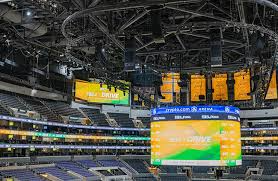
On June 9, 2026 Crypto.com Arena announced it has completed rollout of an end to end decentralized ticketing protocol that spans multiple blockchains to curb secondary market scalping ahead of a heavy summer schedule of concerts and sporting events. The plan uses ledger verification, programmable transfer rules and integrated identity checks to make resale fairer for fans while preserving options for legitimate transfers. For ticket buyers, venue staff and artists the change promises clearer provenance and fewer inflated last minute prices at stadium gates.
What the new system does
The Arenas protocol records each ticket on one of several supported blockchains and ties ownership to a verified digital identity. Tickets carry immutable provenance metadata that shows original issue date, face value and allowable transfer conditions. Smart contracts enforce caps on resale price, lock transfers until certain conditions are met and automatically return excess resale proceeds to the issuing promoter or to a charity designated at purchase. Gate scanners validate both ownership and whether the ticket has been flagged for valid transfer or reported lost, which prevents duplicated or counterfeit entries.
Why multi chain matters
Relying on multiple chains addresses throughput and cost concerns that single chain systems faced in earlier pilots. During high demand ticket drops congestion and gas fees once priced everyday buyers out of the primary sale. The multi chain approach routes tickets to ledgers that best match the transaction profile, keeping user costs low while maintaining a unified verification layer so venue scanners and ticketing apps see a single truth of ownership. This hybrid architecture also reduces reliance on any single provider and gives promoters flexibility to choose ledger policies that fit each event.
How it affects fans at the gate
For fans the difference will be practical and sensory. Entry lanes will still smell of hot coffee and popcorn but the paperless ticket shuffle will feel more orderly. Scanners will read ownership credentials from a mobile wallet or from a secure e ticket app and cross check ledger entries in near real time. Fans who need to transfer tickets will see enforced price ceilings and optional verified transfer workflows that require both parties to accept terms. For those who buy last minute the platform aims to reduce predatory mark ups while allowing legitimate resales to occur within safe bounds.
Artist and promoter incentives
Artists and promoters gain control they lacked with traditional secondary markets. Smart contracts can embed royalty splits on resales, ensuring artists receive a share of any transfer value above face price. Promoters can configure limits on resale price multiples and set windows when transfers are allowed so that tickets stay with actual attendees as events approach. The protocol also supports time bound upgrades for hospitality packages and dynamic allocation of unsold seats to verified fans rather than speculative brokers.
Security, privacy and identity trade offs
The system balances provenance with privacy by pairing on chain ownership identifiers with off chain verified identity services. That design keeps sensitive personal data out of public ledgers while allowing venue staff to confirm that the person at the gate matches the registered ticket holder. Critics worry about surveillance creep and the potential exclusion of fans who lack digital identities or who prefer anonymity. The arena has committed to offering assisted kiosk sign ins and short term guest passes that preserve access for less tech savvy attendees while preserving fraud protections.
Technical hurdles and scalability
Implementing ledger verification at stadium scale required extensive testing. Scanners and mobile apps needed low latency confirmation even under tens of thousands of concurrent verifications. To solve this engineers built caching layers and redundant validators so that gate operations rely on local verification when network connectivity is spotty, syncing back to ledgers after events. Interoperability standards were also crucial so that wallets, ticketing platforms and venue systems speak the same formats across multiple chains.
Secondary market reaction and resale dynamics
Scalpers who previously used automated bots to hoard tickets face greater friction. By enforcing price ceilings and requiring verified transfers many speculative resale strategies are neutralized. Secondary markets that work within the protocols can still operate but with transparent caps and fee flows that benefit artists and organizers. That means fewer headline grabbing dramatic mark ups but also a smaller arbitrage opportunity for brokers who relied on opaque marketplaces.
Voices from fans, staff and artists
We spoke with fans queuing for a preseason concert. One long time season ticket holder said the new checks felt reassuring because “you often see tickets bought and flipped for huge sums and real fans lose out.” A gate manager praised the reduced counterfeit risk and said staff training emphasized calm, efficient identity checks to avoid creating choke points. An artist manager welcomed the royalty on resales saying it aligned financial incentives with audience access rather than speculative profit.
Accessibility and inclusion measures
The venue included provisions for attendees who cannot use digital wallets. Assisted registration desks at arrival gates can verify ID and issue temporary QR passes that tie to the verified ledger entry. For patrons with limited connectivity or older mobile devices printable secure QR codes are supported and validated against the same provenance database. The Arena also partnered with community organizations to run outreach clinics explaining how to use the e ticketing app and how to avoid scams.
Regulatory and legal considerations
The protocol sits at the intersection of ticketing law, consumer protection and data privacy rules. Regulators in several jurisdictions have shown interest in fair resale rules and transparency for secondary markets. The Arenas implementation aligns with consumer protection principles by enforcing price transparency and return of excess resale funds where applicable. Legal teams also mapped data flows to privacy regulations to ensure personally identifiable information stays off public ledgers.
Where to read technical specs and standards
For readers interested in the technical underpinnings the venue published protocol documentation and interoperability specs for wallet providers and ticket platforms. Industry bodies working on event ticketing standards and cryptographic provenance have resources that outline best practices for secure, private ledger based ticketing.
International Organization for Standardization and Internet Engineering Task Force
The road ahead
Crypto.com Arenas multi chain ticketing rollout is a significant advance in reconciling fan access with fraud prevention. The initial summer events will test whether technical safeguards, privacy protections and practical convenience align in live operation. If the protocol reduces scalping while keeping queues moving and preserving inclusion it could become a model for other large venues. For fans the hope is simple and human: buy a ticket at face price, feel the stadiums crowd swell around the chorus and leave with the memory of the night rather than the memory of a bad resale experience.