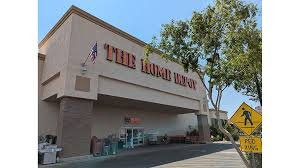
Home Depot announced on June 10, 2026 that it will acquire Mingledorff’s, a leading regional HVAC distributor, in a deal that signals a major push into the professional contractor market. The transaction expands Home Depot’s addressable market to roughly 1.2 trillion dollars and tightens the companys focus on tradespeople who buy at scale. For contractors who have relied on independent distributors for decades the news raises questions about pricing, supply continuity, and the future of local relationships. For Home Depot it represents a strategic bet that professional services and large commercial channels will drive the next phase of growth.
Why this acquisition matters
Mingledorff’s operates a network of distribution centers across the southeastern United States and is widely known for serving HVAC contractors with commercial grade equipment, replacement parts, and technical support. By bringing Mingledorff’s into its fold Home Depot gains deep inventory, established trade relationships, and specialized sales teams that understand complex commercial projects. That capability is distinct from the retail stores and Pro Desk operations Home Depot has long run for small contractors and DIY customers.
The shift is significant for three reasons. First Home Depot will now compete more directly with traditional wholesale distributors that dominate commercial and multiunit projects. Second the company gains scale in categories where margins and service requirements differ from retail. Third the move broadens Home Depots claim on professional spend across construction maintenance and facilities management which together form the expanded 1.2 trillion dollar addressable market the company cites.
What contractors and local distributors are likely to feel
Independent contractors may experience the change inside their invoices and on job sites. Larger accounts that previously purchased through regional wholesalers could see more uniform pricing and consolidated logistics from Home Depot. Contractors managing multiple jobs could gain faster fulfillment and broader selection but might also face shifts in negotiated terms as centralized procurement replaces regional bargaining.
Local independent distributors will feel immediate competitive pressure in regions where Mingledorff’s has strong presence. Those distributors could respond in several ways. Some will double down on white glove service technical training and specialized product lines that large chains struggle to provide. Others may seek partnerships with manufacturers or co-ops to protect margin and preserve access to contractor customers.
Examples of practical impacts on day to day work
- Faster parts availability for multiunit service contracts due to integrated distribution networks and inventory pooling.
- Potential changes to credit terms and volume discounts as Home Depot applies standardized pricing practices to pro customers.
- Greater consistency in product lines across regions which may simplify procurement for national service providers.
How Home Depot positions itself for pro customers
Home Depot has been investing in pro services for years by expanding dedicated Pro Desks offering bulk purchasing accounts jobsite delivery and contractor loyalty programs. The Mingledorff’s purchase elevates that infrastructure into heavy commercial capabilities including engineered equipment sales project support and parts stocking for commercial HVAC systems. The company will likely integrate Mingledorff’s supply chain with its existing last mile and delivery logistics to offer combined solutions to general contractors mechanical contractors and property managers.
Executives at Home Depot framed the deal as a move to serve professionals more deeply while preserving local service competence. To persuade contractors used to independent distributors Home Depot will need to maintain quick technical response times stocking of OEM parts and the domain expertise that commercial projects demand.
Regulatory and competitive landscape to watch
Large consolidation moves in distribution attract regulatory scrutiny where competition and market access may be affected. Antitrust authorities typically examine whether a single buyer or seller could use scale to exclude competitors or raise prices. Given the fragmented nature of the construction supply industry regulators will analyze regional market shares particularly for commercial HVAC components and aftermarket parts.
Competition will intensify from legacy competitors such as Watsco and Ferguson as well as from manufacturer direct sales channels that have expanded their contract sales teams. Manufacturers themselves may face decisions about channel strategy including whether to deepen relationships with Home Depot or prioritize smaller distributors and independent reps.
What this means for the market and for customers
For institutional buyers such as property managers school districts and chain operators the acquisition may bring simpler procurement single invoicing and national warranties. Those operational efficiencies can lower administrative overhead and accelerate project timelines. For smaller contractors the trade offs are less clear. Some will welcome improved availability of commercial equipment and predictable pricing. Others will worry about losing the consultative partnerships and flexible credit arrangements that smaller distributors historically provided.
The broader market signal is that Home Depot views professional channels as a core engine of long term growth rather than a complementary business to retail. That perspective likely shifts investment into digital pro sales tools account management and field service technologies that meet contractor workflows.
Industry reaction and voices on the ground
Contractors interviewed by industry publications expressed mixed feelings. Some described relief at the prospect of a single source for hard to find OEM parts especially during peak seasons when supply tightness has delayed repairs. Others raised concerns about service depth and the cultural difference between independent reps who can dispatch a technician to a problem and a national chain that manages logistics through centralized teams.
Manufacturers weighing the announcement will consider how distribution through a large retail chain affects channel conflict and brand control. Many original equipment manufacturers already sell through multiple channels and will calibrate their incentives and pricing to avoid unintended disruptions.
Looking ahead what to watch next
Several key indicators will show how successful the integration becomes. Watch for changes in lead times for commercial equipment availability levels of OEM parts in regional warehouses and any shifts in contractor pricing structures. Monitor announcements about field support teams training programs or dedicated account managers that Home Depot introduces to reassure pro customers. Finally track regulatory filings and any competitor moves that respond to the new scale in pro HVAC distribution.
Where to learn more
For background on industry concentration and distribution markets see analysis from the Bureau of Labor Statistics for trade employment trends and the Department of Justice guidance on mergers and competition. The companies involved will publish further details in their investor relations statements and filings which provide transparency on financial and operational integration plans.
How Home Depot manages relationships with contractors and manufacturers will determine whether the acquisition strengthens service for professionals or merely expands scale without preserving the local expertise that contractors rely on. Stakeholders on both sides will be watching closely as the deal unfolds in the coming quarters.
Would you like a focused explainer on how this acquisition could affect HVAC pricing in your region or a checklist contractors can use to evaluate new supplier relationships