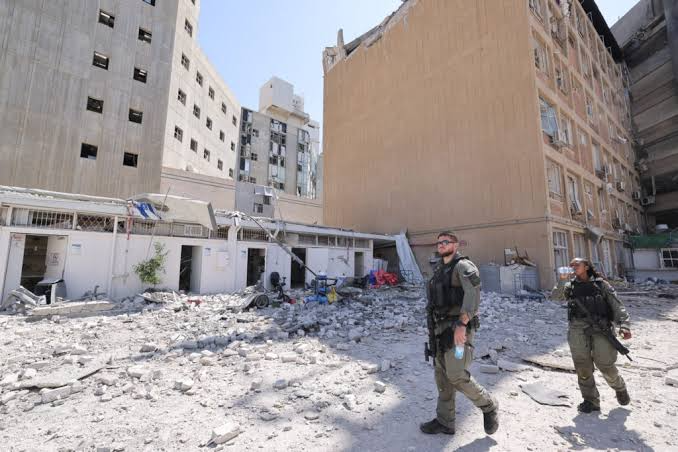
Over the last 48 hours severe drone and missile strikes across Iran have killed at least 17 people and wounded 115 others according to the Iranian Health Ministry. The toll announced on July 11 and July 12 2026 is more than a number. It represents families thrust into emergency rooms that are already stretched thin and a medical system forced to triage under fire. The immediate humanitarian cost is clear. The longer term strain on health resources could ripple far beyond the cities hit hardest.
What the numbers mean on the ground
Seventeen lives lost and 115 injured in two days is a surge that any health system would struggle to absorb. In Iran the pressure is magnified by the nature of the wounds. Blast injuries and shrapnel trauma require rapid surgical intervention blood products and intensive care beds. When multiple hospitals in different areas receive patients at once the system must move staff supplies and equipment in real time. That is a complex operation even in calm conditions.
For families the experience is chaotic. A phone call in the middle of the night. A rush to a hospital where hallways fill with waiting relatives. Nurses moving quickly between beds while doctors coordinate with surgeons and blood banks. The human cost of conflict is often measured in headlines. Here it is measured in triage tags and the number of operating rooms that can run through the night without losing power.
How localized medical infrastructure is coping
Hospitals closest to the impact sites have activated emergency protocols. Elective surgeries are postponed. Staff are called in on short notice. Blood donation drives are announced to keep supplies flowing. Ambulances face difficult routes as roads are blocked by debris or cordoned off for security. In some cases patients are transferred to facilities farther away to balance the load. That movement saves lives but it also spreads the strain across a wider network.
Supplies are a critical bottleneck. Trauma care depends on reliable access to sterile kits anesthesia oxygen and antibiotics. When consumption spikes in a short window inventory can run low. Procurement teams work around the clock to replenish stocks but sanctions and logistics disruptions can slow deliveries. The result is a precarious balance where one more influx of patients could tip a hospital from stressed to overwhelmed.
Why this matters for global health resources
Health crises in conflict zones do not stay contained. International aid organizations monitor casualty figures and hospital capacity to decide where to deploy medics and mobile clinics. When a sudden surge hits a country with a large population and complex supply chains the global response must scale quickly. That means diverting personnel and equipment from other regions and drawing on emergency stockpiles that are meant to last through multiple crises.
The strain is felt in neighboring states as well. Cross border patient transfers require coordination on visas medical records and payment. Refugee flows can increase if civilians fear further strikes. Camps and reception centers need primary care services vaccination programs and maternal health support. Each new demand pulls from a finite pool of doctors nurses and logisticians who are already working in difficult environments.
The human stories behind the surge
Behind every statistic is a person with a name and a life interrupted. A teacher who was walking home when the air raid sirens sounded. A shopkeeper who rushed to help a neighbor and was caught in the blast wave. A student whose family spent the night in a hospital corridor waiting for news about a parent in surgery. These are the faces of a health emergency that does not fit neatly into a spreadsheet.
Medical staff carry their own burden. Surgeons who have not slept in 24 hours. Nurses who comfort children while waiting for imaging results. Administrators who juggle phone calls from ministries insurers and aid groups while trying to keep the lights on. Their work is heroic but it is also fragile. Burnout is real. Morale depends on steady supplies and clear communication. When those break down the quality of care suffers.
What the international community can do now
Immediate needs are practical and urgent. Blood products surgical kits and trauma dressings must reach hospitals without delay. Fuel for generators keeps operating rooms and intensive care units running when the grid fails. Secure corridors for ambulances and medical convoys reduce the risk that patients and staff are caught in further attacks. These are not abstract policy goals. They are the difference between life and death in the next 48 hours.
Longer term support focuses on resilience. Training local teams in mass casualty management strengthens the first response. Prepositioning emergency medical warehouses in the region shortens supply lines. Funding mechanisms that allow rapid disbursement to hospitals and NGOs prevent delays when every hour counts. The aim is to build a system that can absorb shocks without collapsing.
Risks to routine care and public health
When hospitals pivot to trauma care other services suffer. Dialysis patients may miss sessions. Cancer patients may face delayed infusions. Pregnant women may struggle to find staffed maternity wards. The indirect toll of a sudden crisis can be as deadly as the initial injuries. Public health programs such as vaccination drives and chronic disease management also lose momentum when resources are diverted.
Mental health is another silent casualty. Survivors of blasts often deal with post traumatic stress long after wounds heal. Families who lost loved ones need grief counseling and practical support. Medical staff require psychological care to process what they have witnessed. Without attention to these needs the health system carries a hidden backlog that can last for years.
What to watch in the coming days
Key indicators will show whether the situation is stabilizing or worsening. Daily casualty counts hospital occupancy rates and the status of power and water at medical facilities tell a clear story. Announcements from the health ministry about blood shortages or requests for international aid signal the level of strain. Movement of medical convoys and the opening of field hospitals indicate the scale of the response.
Businesses and diaspora communities can also play a role. Companies with logistics networks can help move supplies. Community groups can organize verified donation drives and share information about trusted channels. Accurate information is a public good. Rumors about hospital closures or supply shortages can cause panic and misdirect resources.
Where to find reliable information and how to help
For official health updates the Iranian Ministry of Health and Medical Education posts bulletins on hospital capacity and blood donation needs. International organizations such as the World Health Organization coordinate emergency medical responses and publish situation reports for donors and partners.
World Health Organization emergency response updates and International Committee of the Red Cross health operations provide authoritative guidance for readers who want to track the crisis and support verified humanitarian efforts.