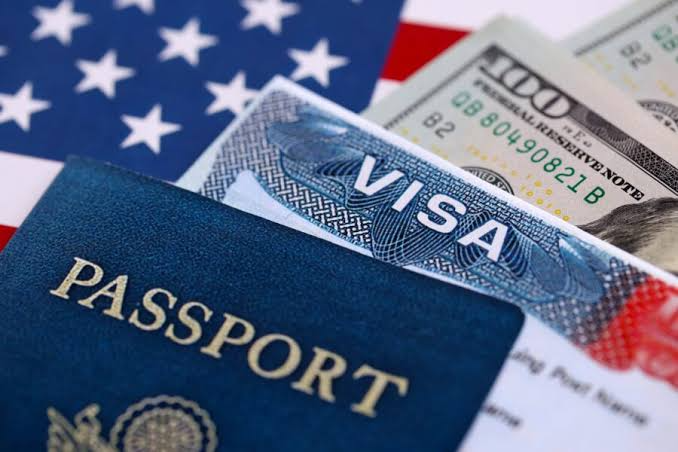
The United States has made its visa bond program permanent, putting a new layer of financial scrutiny in place for some international travelers seeking short term business or tourist visas. As of August 3, 2026, the policy now allows consular officers to require refundable bonds of $10,000, $15,000, or $20,000 from selected B 1 and B 2 applicants from designated countries, a move officials say is meant to discourage visa overstays and improve compliance with U.S. immigration rules.
[ogletree](https://ogletree.com/insights-resources/blog-posts/state-department-finalizes-visa-bond-program-for-b-1-b-2-visitor-visa-applicants/)
What changed on August 3
For the first time, the visa bond requirement is no longer a pilot or temporary test. The State Department’s final rule makes the program permanent after a one year trial launched in August 2025, and the new version increases the financial burden by removing the lower $5,000 tier that existed during the pilot. In practical terms, the government has signaled that it views the bond not as a narrow experiment, but as a standing tool for managing visitor visa risk.
[ogletree](https://ogletree.com/insights-resources/blog-posts/state-department-finalizes-visa-bond-program-for-b-1-b-2-visitor-visa-applicants/)
The rule applies only to certain temporary visitor visas for business or pleasure, and not to all visa classes. Travelers from countries participating in the Visa Waiver Program are excluded, while applicants from designated countries may be asked to post a bond depending on the consular officer’s assessment and the circumstances of the case. The State Department says the amount is set case by case, based on what is needed to ensure the person leaves on time and respects the terms of admission.
[ogletree](https://ogletree.com/insights-resources/blog-posts/state-department-finalizes-visa-bond-program-for-b-1-b-2-visitor-visa-applicants/)
How the bond works
The bond is refundable if the traveler follows the rules. That means departing the United States on time, or in some cases properly filing a request to extend status or change status before the authorized stay expires. But the program also gives the government a powerful penalty mechanism: if the traveler substantially violates the terms of the bond, the full amount can be forfeited.
[ogletree](https://ogletree.com/insights-resources/blog-posts/state-department-finalizes-visa-bond-program-for-b-1-b-2-visitor-visa-applicants/)
That forfeiture can be triggered by overstaying the authorized period, and the rule is especially strict if a bonded visa holder later files for asylum or another form of humanitarian protection while in the United States. Federal notices and summaries of the rule say the government views such filings as grounds for mandatory forfeiture under the permanent framework.
[ogletree](https://ogletree.com/insights-resources/blog-posts/state-department-finalizes-visa-bond-program-for-b-1-b-2-visitor-visa-applicants/)
Who is most likely to be affected
The policy is aimed at nationals of countries the State Department has identified using several risk factors, including high visa overstay rates, weak identity verification systems, limited information sharing, and concerns about screening and vetting. Reports on the new rule indicate that the list currently includes 50 countries and may change over time, with the State Department able to add countries on 15 days notice and remove them immediately.
[ogletree](https://ogletree.com/insights-resources/blog-posts/state-department-finalizes-visa-bond-program-for-b-1-b-2-visitor-visa-applicants/)
That fluid list matters. For families, students, entrepreneurs, and tourists planning a long awaited trip, the practical question is not only whether a country is covered today, but whether it could be added or removed with little warning. That uncertainty can complicate travel planning long before a plane ticket is booked.
[hunton](https://www.hunton.com/business-immigration-insights/state-department-makes-visa-bond-pilot-program-permanent)
Why officials say they are doing this
The government’s argument is straightforward: the bond is designed to improve compliance among short term visitors and reduce the number of people who remain in the country after their authorized stay ends. The final rule says the pilot produced enough data to suggest the program is an effective enforcement tool, and the permanent version is meant to harden that approach.
[federalregister](https://www.federalregister.gov/documents/2026/08/03/2026-15726/visas-visa-bond-program)
Supporters of the measure are likely to see it as a way to bring more accountability into the visitor visa process. Critics, by contrast, may view it as a blunt financial barrier that could make legitimate travel harder for applicants with limited means, even when they have strong reasons to visit the United States. Both readings can be true at once, and that tension sits at the center of the policy.
[ogletree](https://ogletree.com/insights-resources/blog-posts/state-department-finalizes-visa-bond-program-for-b-1-b-2-visitor-visa-applicants/)
What travelers should expect now
Anyone applying for a B 1 or B 2 visa from a designated country should prepare for the possibility of a bond request and should not assume the amount will be modest. Under the permanent program, the amount can be $10,000, $15,000, or $20,000, with the decision tied to the officer’s evaluation of the applicant’s profile and risk factors.
[ogletree](https://ogletree.com/insights-resources/blog-posts/state-department-finalizes-visa-bond-program-for-b-1-b-2-visitor-visa-applicants/)
Travelers should also understand that the bond does not guarantee a visa. It is one possible condition of issuance, not a substitute for eligibility, documentation, or a convincing explanation of travel purpose and intent to return home. In other words, the bond sits on top of the usual visa screening process rather than replacing it.
[ogletree](https://ogletree.com/insights-resources/blog-posts/state-department-finalizes-visa-bond-program-for-b-1-b-2-visitor-visa-applicants/)
For official visa guidance, the U.S. Department of State’s visitor visa page remains the most practical starting point, and the Federal Register notice provides the legal text behind the policy.
[federalregister](https://www.federalregister.gov/documents/2026/08/03/2026-15726/visas-visa-bond-program)
The broader impact on travel
For the travel industry, the permanent bond program could add another layer of friction at a time when global mobility already depends on tight timelines, shifting rules, and uneven consular capacity. Airlines, travel agencies, and tour operators often feel these changes first, because even a small policy adjustment can alter demand patterns, delay trips, or push travelers to choose different destinations.
[ogletree](https://ogletree.com/insights-resources/blog-posts/state-department-finalizes-visa-bond-program-for-b-1-b-2-visitor-visa-applicants/)
For ordinary travelers, the emotional cost may be just as real as the financial one. A refundable bond sounds simple on paper, but for many households, tying up thousands of dollars is a serious burden, especially when visa outcomes remain uncertain. The result may be that some legitimate visitors decide the risk is too high, even when they have every intention of returning home on time.
[fragomen](https://www.fragomen.com/insights/united-states-state-department-makes-permanent-b-1b-2-visa-bond-program-for-certain-countries-and-increases-bond-amounts.html)
What comes next
The key thing to watch now is how the State Department applies the rule in practice. Because the country list can change, the number of affected applicants may rise or fall quickly, and the final impact will depend on how aggressively consular officers use the bond authority. That means travelers, immigration lawyers, and business leaders will likely be reading each new designation closely.
[hunton](https://www.hunton.com/business-immigration-insights/state-department-makes-visa-bond-pilot-program-permanent)
For now, the message from Washington is unmistakable: visitor visas for some foreign nationals will come with a higher financial gate, and the bond system is here to stay. Whether the policy ultimately reduces overstays without discouraging legitimate travel is a question that will only be answered over time, in consular offices, at airport counters, and in the many personal stories that travel rules always shape.
[ogletree](https://ogletree.com/insights-resources/blog-posts/state-department-finalizes-visa-bond-program-for-b-1-b-2-visitor-visa-applicants/)