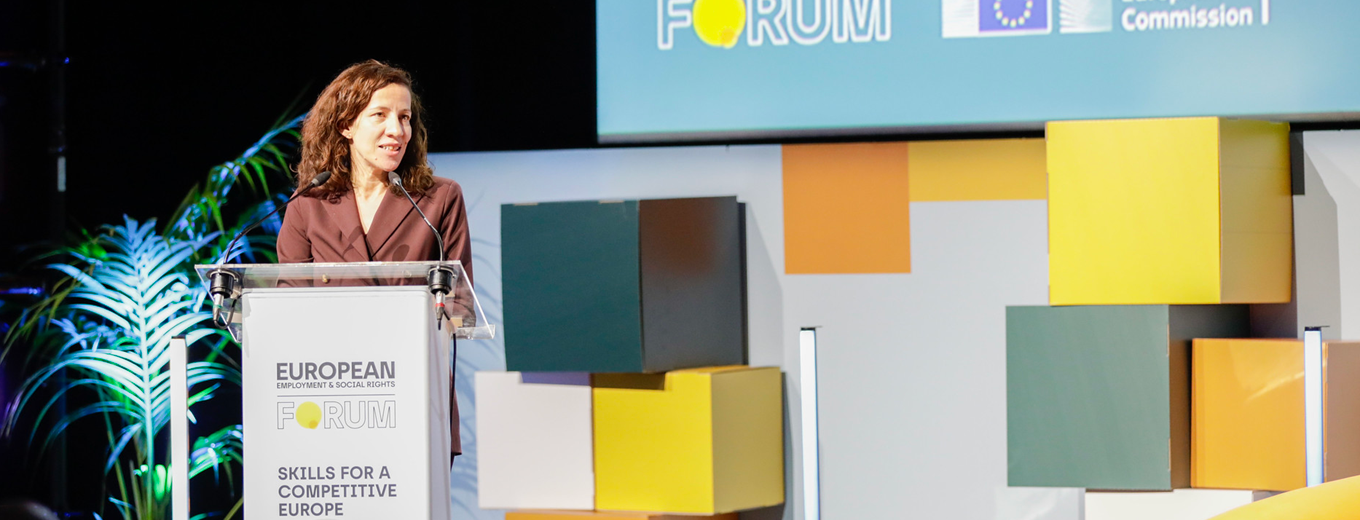
A fresh wave of possibility swept through Europe today, April 24, 2026, as Public Employment Services under the European Commission unveiled a detailed framework for skills based approaches in education and hiring. This PES initiative tackles the stubborn divide between what classrooms deliver and what workplaces demand, offering a roadmap for nations grappling with talent shortages in key fields. We picture eager students in Lisbon labs and frustrated managers in Stockholm offices, all drawn closer by tools that prioritize real world abilities over outdated credentials.
Core Elements of the New Framework
PES crafted this guide after consulting stakeholders from Dublin to Bucharest, pulling together best practices into actionable steps. It defines skills taxonomies, standardized terms for competencies like data analytics, sustainable engineering, and soft skills such as adaptability. Education institutions learn to embed these into programs, while employment services build databases linking learners to opportunities.
The framework stresses validation methods: practical tests, simulations, and peer reviews that prove proficiency. Workers earn digital badges, instantly shareable with recruiters. Funding streams from the Recovery and Resilience Facility back pilots, aiming for nationwide adoption by 2028.
Roots in Europe’s Labor Struggles
We connect deeply with the human toll of mismatches. Eurostat data shows 6.5 percent unemployment overall, yet vacancies exceed 3 million, especially in green jobs and digital roles. A welder in Poland masters craft skills but lacks automation know how; a marketer in Paris grasps strategy yet fumbles AI tools.
This blueprint responds with compassion, recognizing lifelong learning as essential. It guides public services to offer career counseling centered on strengths inventories, helping mid career switchers rebuild paths. Early adopters in Estonia report 20 percent faster hires through skills matching.
Personal Stories Fueling Change
Consider Luca, a 35 year old from Rome, sidelined after factory automation. Through a PES pilot, he stacked credentials in robotics maintenance, landing a role that reignited his purpose. “I felt seen for what I could do, not what I lacked,” he shared, calluses speaking of renewed drive. Such tales ground the policy in tangible wins.
Shifting Education Paradigms
Schools and universities face clear calls to action: redesign curricula around outcomes, partner with industry for input, and track graduate success against skill benchmarks. Vocational tracks gain prominence, with apprenticeships expanded to include emerging areas like cybersecurity and biotech.
The European Qualifications Framework integrates seamlessly, leveling credentials across levels. Flexible entry points welcome adults, with evening modules and online hybrids fitting busy lives.
Business Involvement
Employers anchor the system by publishing skill profiles for openings, aiding transparent recruitment. Incentives include simplified hiring grants and recognition as training hubs. Tech giants like SAP already align internal academies, modeling scalable partnerships.
Leveraging Data and Digital Tools
Technology breathes life into the plan. PES platforms use machine learning to forecast shortages, drawing from job boards and economic indicators. Learners access apps showing personalized skill gaps, with recommended courses from providers like FutureLearn.
Interoperability reigns: skills profiles sync with Europass, portable continent wide. Privacy safeguards protect data, building trust essential for uptake.
Overcoming Hurdles
Implementation tests resolve: varying national systems, teacher retraining needs, rural digital divides. The framework allocates resources for capacity building, with peer learning networks among states. Inclusion drives it, with quotas for underrepresented groups in trials.
- Skills mapping tools for curriculum audits.
- Cross border mobility support for certified workers.
- Impact evaluations every two years.
Commission officials in Brussels radiated quiet determination, papers rustling with final tweaks. Their work honors workers’ resilience.
Inspiration Beyond Borders
This EU effort resonates globally, echoing U.S. initiatives like those from the OECD and Australia’s skills councils. Lessons flow both ways, with Europe exporting modular models to developing partners.
For communities, hope blooms. Parents in Madrid see children future proofed; veterans in Helsinki find second acts. Emotional layers deepen: pride in mastery, security in relevance.
Tracking Progress and Next Steps
Key indicators guide refinement: placement rates, wage premiums for skills hires, learner satisfaction. PES dashboards provide real time views, adjustable by feedback loops. Member states submit action plans within six months.
We watch with encouragement as this framework unfolds, mending divides with practical wisdom. In classrooms alive with purpose and factories humming with matched talent, Europe forges ahead, skills as bridges to shared prosperity.