On June 2, 2026 major grain and crop distributors announced a tactical rerouting of shipments through alternative maritime and inland channels to avoid escalating transport risks in key sea lanes. We traced convoys from silos to ports, spoke with logistics managers, farmers and port operators, and looked at how these adjustments affect food security, freight costs and the daily bread on millions of tables around the world.
What triggered the rerouting
Recent incidents affecting maritime safety and port operations prompted shippers to seek less exposed corridors and diversified modal mixes for core commodities such as wheat corn soy and edible oils. Disruptions included targeted attacks on infrastructure, congested transshipment hubs and insurance warnings that raised the cost of passage through certain routes. Faced with higher risk premia and unpredictable berth access, trading houses, national grain reserves and major carriers opted to shift shipments through secondary ports, overland corridors and shorter sea legs that reduce exposure to volatile zones.
How the new routes work in practice
Rerouting typically combines multiple strategies: using alternative deep water ports with secure berthing, increasing transshipment through nearby neutral hubs and expanding use of river barges and rail corridors for inland moves. For example shipments that once sailed directly through a contested choke point now sail to coastal hubs in neighboring countries and transfer to rail or barge for final delivery. Some exporters are consolidating cargo onto smaller, more agile vessels that can call at secondary ports with lower dwell time and simpler customs procedures.
Logistics choreography and timing
These alternate pathways require precise choreography: synchronized berthing windows, coordinated customs clearances and expanded feeder services. Supply chain managers report longer transit times but greater predictability compared with the risk of sudden route closures. The trade off has been higher freight costs and more complex coordination, yet many buyers prefer a slower guaranteed delivery to an interrupted faster one that leaves cargo stranded at sea.
Immediate effects on prices and market signals
Rerouting raises logistical costs that filter through supply chains. Freight insurance premiums and additional handling fees at transshipment points add to landed cost of grain, contributing to regionally higher food prices. Commodities traders responded with tighter spreads and increased forward buying to lock in supplies. Markets reacted with localized price volatility rather than a single global spike because the adjustments are uneven: some supply corridors have spare capacity while others are saturated.
Impacts for exporters and farmers
Exporters face steeper operating expenses and longer working capital cycles as cargo spends more time in transit or in intermediate storage. For farmers the effects vary by market position. Producers with access to nearby alternative ports or inland rail options see smaller impacts, while those reliant on a single coastal terminal confront delayed payments and backlog in deliveries. Smaller grain elevators without prearranged transshipment contracts struggle to secure space on alternate routes and may be forced to sell at lower local prices.
Human stories and local consequences
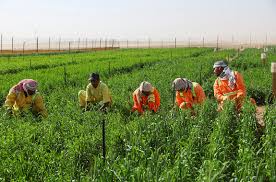
At a river terminal we visited farmers spoke of queues of trucks waiting for barge slots under a humid sky. A smallholder explained how delayed shipments meant postponed seed purchases and cash flow stress ahead of planting seasons. On the receiving end, millers and bakers in importing countries began recalculating procurement plans, adjusting production schedules and in some cases rationing stock to manage short term supply gaps. Those shifts ripple down to consumers as tighter supplies and price adjustments for staple goods.
Food security and humanitarian concerns
For countries reliant on imports for staple calories, shifting routes pose risks to affordability and steady access. Humanitarian agencies monitor port and corridor availability closely because relief shipments depend on reliable channels. Longer transit times can complicate timely delivery of emergency food assistance, especially for perishable fortified foods and ready to use therapeutic products. Agencies have been coordinating with logistics partners to secure priority slots and to pre position stocks in regional warehouses to bridge potential delays.
Policy responses and international coordination
Governments have convened crisis task forces to coordinate corridor usage prioritize food shipments and negotiate diplomatic assurances for safe passage. Some states established humanitarian lanes with fee waivers and expedited customs for essential food imports. Regional trading blocs discussed mutual recognition of phytosanitary certificates and streamlined border processes to reduce hold ups associated with rerouting. Multilateral institutions including the Food and Agriculture Organization and the World Food Programme are advising on contingency stocks and demand forecasting to avert shortages in vulnerable countries.
Regulatory levers to ease flow
Practical policy moves include temporary relaxation of certain export formalities for certified shippers, extended validity for inspection certificates and pre clearance for inland transits. Those measures reduce administrative friction at transshipment hubs and enable faster turnarounds for barges and feeder vessels.
Infrastructure bottlenecks and investment needs
Alternative routes strain secondary ports, inland railways and river terminals that were not built for sudden surges. Many of these nodes lack adequate silo capacity, cold chain facilities for oilseed products or modern grain handling equipment, creating new choke points. Long term solutions call for targeted investment in regional port upgrades, river dredging, rail gauge harmonization and expanded storage near alternative hubs so that rerouting can be a sustainable option rather than a short term workaround.
Environmental and emissions tradeoffs
Longer routes and additional handling increase emissions per ton delivered, raising trade offs between security and climate goals. Modal shifts from sea to rail or barge can reduce per ton emissions compared with truck moves, but added transshipment steps offset some benefits. Policymakers and industry groups are weighing emissions impacts as they design corridor investments to balance resilience and sustainability.
Private sector adaptations and contracting strategies
Logistics firms introduced flexible contracts, dynamic pricing and dedicated food corridors with guaranteed capacity for priority clients. Traders increasingly use staggered shipments and buffer stocks, and some are entering multi year contracting to secure resilient capacity. Insurers offered conditional coverage for rerouted journeys, linking premiums to route profiles and vessel types to better reflect actual exposure.
What importers and buyers should consider
Importers should broaden their supplier base, stagger shipments to avoid single point failures and invest in transparent tracking systems that provide real time visibility across multiple modal legs. Procuring stored buffer inventories in regional warehouses reduces exposure during acute transit disruptions and provides breathing space during seasonal demand peaks.
Where to follow verified updates
Readers can monitor shipping route advisories and port notices through maritime authorities and major shipping exchanges. For agricultural market analysis the International Grains Council and FAO publish regular situation reports that contextualize shipment flows and food price trends while offering forecasts for policymakers and traders.
Final perspective
The shift to alternative shipping channels reflects a pragmatic push to keep food moving despite maritime risk. These reroutes buy time and predictability for many supply chains but also reveal structural weaknesses in global food logistics: limited spare capacity at secondary hubs, high cost of transshipment and uneven resilience across producing regions. Addressing these gaps will require coordinated investment in regional infrastructure smarter contracts that prioritize food security and collaborative policy measures that keep humanitarian and staple shipments flowing when geopolitical risks flare up.
Will governments and industry use this moment to invest in resilient, lower emission corridors that protect the continuity of global food supplies and shield vulnerable populations from intermittent shocks