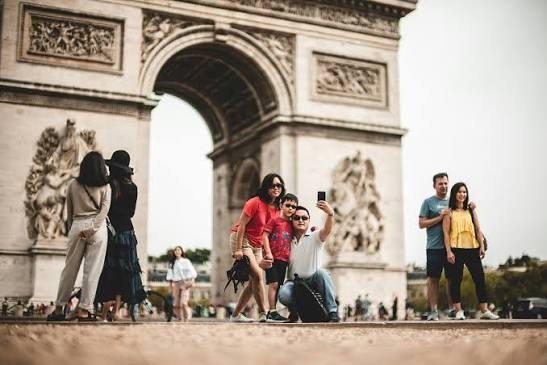
The European Commission has unveiled a new EU Sustainable Tourism Strategy, setting out a coordinated plan to make tourism more competitive, environmentally responsible and beneficial to communities across Europe. Announced on November 4, 2026, the strategy brings together public authorities, tourism businesses and regional stakeholders through a new EU Tourism Alliance. Its central ambition is to move beyond simply attracting larger numbers of visitors and focus instead on better managed destinations, stronger local economies, skilled workers and more resilient travel services.
The announcement comes as European destinations face a difficult balance. Tourism supports millions of jobs and sustains businesses from family run guesthouses to major transport operators. Yet popular locations are also dealing with crowded streets, pressure on housing and public services, seasonal employment and the growing effects of climate change. The Commission’s new approach seeks to spread the benefits of travel more widely while protecting the places and communities that make Europe attractive to visitors.
Why Europe Is Changing Its Tourism Strategy
Tourism is one of the European Union’s major economic sectors. The Commission estimates that it contributes around 10 percent of the bloc’s gross value added, supports more than 20 million jobs and involves approximately five million businesses. Small and medium sized enterprises account for 99 percent of those businesses, making local operators central to the future of European travel.
Those figures help explain why tourism policy reaches far beyond hotels and airlines. A visitor staying in a rural inn may also support a nearby farm, a family owned restaurant, a local guide, a craft producer and regional transport services. When tourism spending remains in the destination, its economic value can circulate through several layers of the local economy.
New analysis from the Commission’s Joint Research Centre estimates that tourism’s total economic impact reaches 10.1 percent of gross value added across the EU countries covered, compared with a direct contribution of 4.1 percent. The wider estimate includes supply chain activity and spending by people whose incomes depend on tourism. It illustrates why the sector’s success matters to communities that may not appear to be tourism businesses at first glance.
However, the benefits are not distributed evenly. Some destinations receive intense visitor pressure during a short summer season, while less visited rural, coastal and inland regions struggle to attract enough visitors to sustain local businesses. The Commission wants to address that imbalance by encouraging travel across more locations and throughout the year.
The New EU Tourism Alliance Brings Stakeholders Together
A central part of the strategy is the creation of an EU Tourism Alliance. The initiative is intended to bring together national, regional and local authorities, tourism businesses and other sector representatives. The goal is to improve coordination and give stakeholders a shared space to identify problems, exchange practical experience and support the implementation of European tourism priorities.
Tourism is shaped by decisions at many levels. Local authorities manage public spaces and visitor services. Regional governments support transport links and destination promotion. National administrations oversee important parts of tourism policy, while the EU can help coordinate common priorities, provide guidance and connect funding and expertise.
The alliance is designed to help these groups work together rather than pursue disconnected initiatives. That could be especially useful for smaller businesses that lack the staff or resources to navigate complex policy changes, adopt digital tools or invest in more sustainable operations.
The Commission has also presented the strategy as a way to improve the connection between tourism and regional development. For a small town, a more balanced visitor economy can mean customers for local restaurants, demand for regional products and a stronger reason for younger residents to remain in the area and build careers.
Local Food and Regional Supply Chains Can Share in Tourism Growth
One of the most visible ways tourism can support local economies is through food. Regional restaurants, hotels and accommodation providers purchase ingredients, beverages and services every day. When they source more products from nearby farms, fisheries and food producers, visitor spending can help sustain agricultural businesses and preserve regional food traditions.
This connection offers opportunities for destinations seeking a more distinctive visitor experience. A hotel breakfast featuring local produce, a restaurant menu built around seasonal ingredients or a guided visit to a family owned farm can connect travellers with the character of a place. These experiences can also help smaller producers reach customers beyond traditional retail markets.
Stronger regional supply chains can offer practical benefits to tourism businesses as well. Shorter supply routes may improve traceability, create closer relationships between suppliers and buyers and give restaurants more flexibility to feature seasonal products. However, local sourcing is not automatically more sustainable in every circumstance. Production methods, transport, packaging, food waste and reliable supply all matter. Businesses need realistic purchasing arrangements rather than commitments that are difficult to maintain.
The broader economic case is clear: when tourism businesses buy from local suppliers, more of the money spent by visitors can remain in the region. That is particularly relevant for rural destinations where farming, food production and hospitality often depend on one another.
Eco Hospitality and More Responsible Visitor Experiences
Environmental sustainability is another important part of the strategy’s direction. Hotels, guesthouses, restaurants and attractions rely on energy, water, transport and other resources. Their environmental impact can be significant, particularly in destinations where visitor numbers rise sharply during peak periods.
Eco hospitality is not limited to adding recycling bins or displaying messages asking guests to reuse towels. Meaningful progress can involve improving building efficiency, reducing food waste, managing water use, choosing durable materials and working with suppliers that follow responsible practices. It can also mean designing visitor experiences that respect local landscapes and cultural heritage.
Smaller accommodation providers may want to make these changes but face barriers such as high upfront costs, limited technical knowledge and uncertainty about which investments will deliver measurable results. The Commission’s wider commitment to supporting small businesses with skills, digital tools and access to relevant programmes could help address some of these difficulties.
For travellers, sustainability can become part of the quality of a holiday rather than an additional burden. Better public transport connections, accessible walking routes, locally owned accommodation and experiences outside crowded peak periods can make a trip more enjoyable while reducing pressure on destinations.
Managing Crowds and Spreading Tourism Across the Year
One of the strategy’s most significant priorities is better visitor management. The Commission says that tourism demand is heavily concentrated in a relatively small number of regions. Its analysis indicates that just 13 percent of European regions account for half of all nights spent in the EU. This concentration can place enormous pressure on housing, transport, public spaces and essential services.
The proposed EU Model for Tourism Management, a Council recommendation and a Toolbox for Balanced Tourism are intended to help destinations respond to these pressures. The tools are expected to support local planning, share practical approaches and encourage a more balanced relationship between visitors and residents.
Spreading travel across the calendar is part of that effort. Encouraging visitors to explore destinations in spring, autumn and winter could create more stable demand for businesses that currently depend on a short summer season. It may also support more predictable employment and reduce the strain associated with large seasonal peaks.
For travellers, this approach could mean discovering less crowded places, enjoying more flexible travel options and experiencing local culture beyond the busiest holiday months. The challenge will be ensuring that new visitor demand benefits communities rather than simply transferring overcrowding from one destination to another.
Skills, Digital Tools and Support for Small Businesses
The strategy also addresses workforce shortages and the need for stronger professional training. Tourism businesses often struggle to recruit and retain skilled employees, while workers face concerns about seasonal contracts, career progression and working conditions.
The Commission plans to establish an EU Tourism Academy to support training and skills development. It also intends to strengthen access to digital tools and data through initiatives including the EU Tourism Observatory and the Common European Tourism Data Space. These resources are expected to help businesses and destination managers make better informed decisions.
Digital information can help a small hotel understand booking patterns, a regional authority monitor visitor flows or a destination identify periods when transport services need additional capacity. Better data can also help policymakers measure whether tourism is becoming more balanced and sustainable rather than relying only on headline visitor numbers.
The Commission is also looking at ways to reduce unnecessary administrative barriers. This matters particularly for small businesses, where owners may be responsible for guest services, staffing, marketing and compliance at the same time. Simpler processes could allow more time and resources to be directed toward customers and investment.
Climate Risks and Crisis Preparedness
Tourism is increasingly exposed to climate related disruption. Heatwaves, wildfires, floods and water shortages can affect destinations, damage infrastructure and change travel plans. Geopolitical uncertainty and other emergencies can also interrupt transport networks and reduce visitor confidence.
To improve preparedness, the strategy includes plans for an EU Tourism Crisis Coordination Network. The aim is to strengthen communication between public authorities and the tourism sector so that risks can be identified and responses coordinated more effectively.
For businesses, resilience means preparing for disruption before it happens. Clear emergency procedures, reliable communication with guests, flexible booking arrangements and cooperation with local authorities can help reduce harm when conditions change. For destinations, planning must account for residents as well as visitors, particularly when essential resources such as water, roads and emergency services are under pressure.
What the Strategy Means for Europe’s Future as a Destination
Europe remains the world’s leading tourism destination, accounting for around 40 percent of international tourist arrivals. The Commission wants to protect that position through stronger international cooperation and a more coordinated approach to promoting destinations. Plans include the Destination Europe framework and new European Capitals of Tourism Awards to increase attention on places offering balanced, sustainable and innovative visitor experiences.
The strategy is a policy framework, not an overnight change to how every hotel, restaurant or destination operates. Many actions will depend on cooperation between EU institutions, national governments, local authorities and private businesses. The success of the EU Tourism Alliance will therefore depend on whether its members can turn shared priorities into practical improvements on the ground.
Businesses will need access to useful guidance and investment. Local communities will need a meaningful voice in decisions about visitor growth. Travellers will need reliable information and transport options that make responsible choices realistic. Regional producers will need dependable commercial relationships if tourism demand is to support local food systems over the long term.
The European Commission’s EU Sustainable Tourism Strategy sets out the policy direction, while the Joint Research Centre provides economic analysis that helps explain tourism’s wider contribution to regional economies.
A Shift From Visitor Numbers to Lasting Local Value
The new strategy reflects a broader change in how Europe measures tourism success. A destination cannot be judged only by how many people arrive or how much money they spend. The quality of jobs, the health of local businesses, the protection of natural and cultural assets and the experience of residents all matter.
For a family run guesthouse, that could mean a longer season and stronger links with nearby producers. For a crowded historic city, it could mean better management of visitor flows and greater protection for everyday community life. For a rural region, it could mean new opportunities for local food businesses, guides and accommodation providers.
There is no single model that will work everywhere. The needs of an island community differ from those of a major city, and a mountain destination faces different climate and transport challenges from a coastal resort. The Commission’s approach recognises that European tools must be adapted to local circumstances.
Ultimately, the strategy’s promise will be measured by what changes for the people who live and work in Europe’s destinations. If better coordination, stronger regional supply chains, practical environmental improvements and more balanced travel become part of everyday tourism, the benefits could reach well beyond the holiday season. Europe’s next chapter as a leading destination may depend not on welcoming more visitors at any cost, but on ensuring that tourism leaves communities stronger, places healthier and travellers with a deeper connection to the regions they visit.