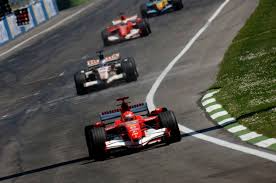
At a meeting in the FIA offices in London on June 2, the Formula One Commission agreed to tighten rules around testing older cars at circuits that will host races during the coming championship years. The decision restricts teams from running so called track performance checks on legacy machinery at venues on the next season calendar, aiming to preserve competitive parity, reduce cost, and protect circuit integrity. For engineers and drivers the new limits change how teams validate setups and gather low risk data ahead of race weekends.
What the new restrictions do and why they matter
Under the agreement teams will face significant constraints when attempting to operate older cars at circuits confirmed to host championship rounds in the ensuing seasons. The rule narrows permissible test windows and tightens approval criteria from event promoters and the FIA. It also clarifies which configurations of legacy cars qualify as exempt experimental runs so teams cannot use older models as proxies to trial future aerodynamic or suspension concepts under nominally benign conditions.
Immediate practical effects for teams
Teams that previously relied on late season or off calendar days to run service checks setup rehearsals and aero mapping now must adjust. Where teams once used pre approved shakedowns to validate tyre behavior or pit stop choreography they will need to plan more work at private test tracks, wind tunnels and simulators. Smaller teams with less access to alternative facilities may feel the pinch most because their ability to replicate circuit specific data will be constrained.
Why the Commission acted now
The Commission framed the move as an effort to protect fair competition and to prevent track testing from becoming a backdoor development channel for teams. Recent seasons have shown how even limited laps by an older car can generate telemetry that feeds iterative updates across design cycles. There is also concern from circuits and local organizers about repeated non race activity on slick technical surfaces that accelerates wear and raises safety questions for public event scheduling.
Cost control and sporting equity
Cost containment is a headline rationale. By limiting on circuit test activity the sport reduces opportunities for well funded teams to gain incremental advantage through expensive logistics and bespoke test runs. The Commission argues these rules level the playing field so competitive differences reflect engineering direction set within regulated development windows rather than logistical muscle.
How teams and drivers are likely to respond
Engineering groups will reallocate resources toward simulators telemetry sharing and controlled private testing. That means greater reliance on digital twin workflows and higher fidelity computational fluid dynamics runs to model circuit specific behavior. Drivers will spend more time in the simulator building mental maps and rehearsing race setups. Several technical directors told me they expect an acceleration of investment in closed loop simulation pipelines as teams seek alternative, reproducible sources of track like data.
Operational changes inside garages
Practically this affects planning for tyre strategy pit sequence rehearsals and final setup windows during free practice. Teams may compress validation tasks into official practice sessions, raising the importance of efficient data gathering on Friday and Saturday. There will be pressure on race engineers to optimize limited on track time so that setup decisions are well supported by simulation and historical datasets.
Impact on circuits, promoters and fans
Race promoters welcomed clarifications that protect track surfaces from repeated testing runs that can create unexpected grip variations for event weekends. For fans the change could mean that some spectacle normally seen during private shakedowns will be less visible, but the Commission sees that as acceptable trade off for clearer sporting integrity. Circuits that offered paid track days or manufacturer demonstrations may need to adjust commercial schedules and liability insurance models.
Local economy considerations
Some local businesses that benefited from teams staging private tests close to their facilities may lose a modest revenue stream. Hotels and logistics providers that supported short notice test teams will need to pivot to alternative clients or regional motorsport events. Promoters and regional authorities will likely renegotiate event calendars and track hire rules to reflect the updated regulatory stance.
Enforcement and technical compliance
The FIA will publish technical guidance specifying the scope of permitted activity and the approval process for exceptions. Teams must obtain sign off for test intentions and disclose telemetry use cases. The regulatory text is expected to include sanctions for non compliant activity ranging from fines to sporting penalties for repeat breaches. The FIA stressed that transparency is central to enforcement so data logs and vehicle tracking will support investigations into suspected violations.
What counts as legitimate exceptions
Allowed exceptions will likely include demonstrable safety shakedowns, emergency engine or gearbox checks that cannot be performed off site, and manufacturer led charity or display events if they are held outside protected calendar circuits. The Commission will define criteria that separate legitimate operational needs from strategic testing aimed at performance development.
Longer term effects on car development and innovation
While the rules reduce on circuit testing options they do not halt technical progress. Teams will adapt by intensifying virtual validation, component bench testing and controlled trials at non championship circuits. There is a risk that tightening physical test opportunities could concentrate innovation within simulation groups that can afford high end compute resources, so the governance challenge will be to ensure new rules do not inadvertently widen resource driven gaps they seek to close.
Balance between sporting control and technological growth
Formula One has long balanced regulation that preserves sport spectacle with an environment that encourages engineering advances. This latest step is part of that continuum. The Commission must now watch for unintended consequences, including bottlenecks where too much development shifts into opaque simulation realms that are harder for regulators to audit. Transparent benchmarking and shared validation standards may become part of future rule sets to preserve credibility.
Voices from the paddock
Team principals offered measured responses. Some welcomed the move as a corrective to clandestine track work that blurred competition lines, while others expressed concern that restricted testing increases pressure on official practice windows and could disadvantage teams that lack simulator scale. Drivers generally supported clearer rules that remove gray areas, though several emphasized the irreplaceable feeling of live circuits for setup intuition that simulators struggle to replicate.
Fan and media reaction
Fan forums showed a mix of approval for cost discipline and nostalgia for the visible activity that private testing brought. Media analysts noted that the enforcement details will determine whether the policy is effective or merely symbolic. The sport’s credibility rests on consistent application so the coming months will be telling as the FIA publishes technical directives and teams adapt operationally.
Next steps and where to read the formal rules
The FIA will publish detailed technical directives and compliance guidance that outline permissible activity windows approval pathways and penalties. Stakeholders should review those documents closely and prepare for consultations during the summer regulatory sessions. For background on precedent and regulatory processes see FIA governance pages and recent Commission communiques which provide the formal regulatory framework FIA.
I will follow developments as the technical directives are released and as teams adjust their test programs so readers can see how these measures reshape preparation routines, competitive balance and the sport’s technical trajectory.