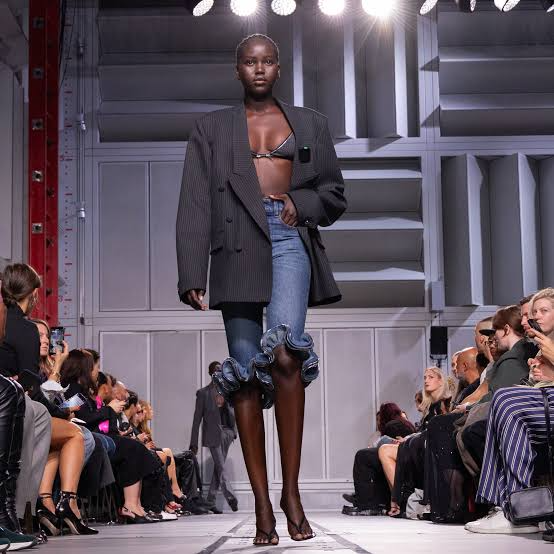
International fashion figures gathered for the PlayScape runway showcase on August 8, presenting new street fashion collections inside an immersive digital setting where clothing, light, sound and movement shared the spotlight. The event reflected a growing shift in runway culture, with designers treating technology not as decoration, but as part of the way audiences experience a collection.
A runway designed for participation
Traditional fashion shows ask viewers to watch closely as models move from one end of a runway to the other. PlayScape offered a different kind of encounter. Its presentation placed streetwear within a changing digital environment, giving the audience the sensation of entering the collection rather than simply observing it from a distance.
Projected color, animated surfaces and responsive visual effects created a setting that could change with the pace of the show. Fabric textures appeared more vivid under shifting light, while the surrounding digital scenery gave each look a distinct atmosphere. The result was a runway that behaved less like a fixed stage and more like a living visual composition.
That approach matters because street fashion has always been closely connected to music, movement, public space and personal identity. The clothes are designed to be worn beyond a formal venue, yet the PlayScape presentation showed how they can also operate within an expanding world of screens, augmented imagery and interactive design.
Streetwear takes center stage
The collections presented at the showcase drew on the practical language of contemporary street fashion. Relaxed silhouettes, layered garments, statement graphics and utility inspired details appeared alongside more experimental styling. The emphasis was on clothing that could move through ordinary life while still carrying a strong visual point of view.
Streetwear has become one of fashion’s most influential categories because it allows people to communicate without following the rules of traditional formal dressing. A jacket, sneaker, oversized shirt or carefully chosen accessory can signal a connection to music, sport, art, gaming or a particular city. PlayScape placed that personal language inside a highly theatrical setting without removing its everyday appeal.
We saw a useful tension between physical clothing and digital spectacle. The garments had to remain convincing when the lights changed and the projections moved, but they also had to hold their own when the visual effects faded. That balance separated the clothing from a simple costume presentation and kept attention on the design itself.
Why interactive presentation is gaining ground
Fashion events are increasingly being planned as multisensory experiences. Industry observers have identified motion responsive surfaces, augmented reality layers and immersive storytelling as important features of recent fashion presentations. These tools can help designers communicate mood, inspiration and movement in ways that a static image cannot always convey.
[ideko](https://www.ideko.com/insights/fashion-week-activations-the-experiential-design-trends-defining-2026)
Interactive technology also gives viewers more ways to remember a collection. A digital environment can respond to a model’s movement, shift with the music or reveal visual information that changes from one look to the next. For audiences watching through phones and social platforms, those moments can create a stronger connection between the live event and the images that circulate afterward.
Still, technology works best when it supports the clothes. If projections become too bright, loud or complicated, they can conceal construction details, fabric quality and styling choices. The most successful digital runway presentations treat the screen as a partner to the garment rather than a replacement for it.
Global voices shape the showcase
PlayScape’s international lineup reflected the broad reach of contemporary fashion. Designers and fashion figures from different creative communities brought their own references to the stage, allowing the showcase to move between familiar streetwear codes and more local visual influences.
That mixture is increasingly important to audiences. Fashion consumers are not looking only for a single global style. They are drawn to combinations that feel specific, whether those references come from neighborhood markets, underground music scenes, sports culture, digital communities or traditional forms of dress.
A global runway can create space for those connections, but it also carries a responsibility to treat cultural references with care. Borrowing a visual symbol without context can flatten its meaning. Designers who explain the origins of a pattern, technique or silhouette give viewers a richer understanding of what they are seeing and help prevent cultural identity from becoming a disposable styling device.
Technology changes how clothes are remembered
The modern fashion audience often experiences a runway in two stages. First comes the live event, with the sound of footsteps, the brightness of the lights and the movement of fabric across the room. Later comes the digital afterlife, when photographs, short videos and interactive clips allow people in other countries to revisit the show.
PlayScape was built for both forms of attention. Its digital atmosphere created strong visual moments for viewers in the venue, while its immersive elements also offered material that could travel through social platforms. That wider circulation can help emerging designers reach audiences who may never attend an international fashion event in person.
The shift also places pressure on designers to create clothing that works from several angles. A garment must look good in person, hold its shape under studio lighting and remain recognizable in a brief mobile video. The best collections do not chase every online trend. They develop clear silhouettes and memorable details that remain effective after the original presentation has ended.
From spectacle to useful design
Interactive fashion does not have to remain limited to runway entertainment. Digital tools can eventually support practical features such as adaptive clothing, responsive safety materials, personal temperature control and garments that help people navigate crowded or unfamiliar environments.
Some of these applications are still experimental, while others are beginning to appear in sportswear, performance clothing and accessories. Their success will depend on comfort, durability, privacy and price. A smart garment that looks impressive but requires frequent charging or delicate care may struggle to become part of everyday life.
For street fashion in particular, usability remains essential. People want garments they can wash, layer, repair and wear repeatedly. PlayScape’s presentation suggested that the future of interactive fashion will be strongest when visual innovation is matched by practical construction.
A new relationship between audience and designer
The most compelling element of the showcase was the sense that the audience was no longer separated from the collection by an invisible wall. Light, sound and visual effects created a shared environment, while the clothing provided the human scale. Each model remained a person moving through space, not merely a carrier for a digital image.
That distinction is worth protecting. Fashion can use advanced tools without losing its emotional center. A sleeve that catches a beam of light, a textured fabric that changes the rhythm of a projection or a familiar street silhouette placed inside an unexpected environment can make viewers feel curiosity, recognition and even a sense of belonging.
As we look at the direction established by PlayScape, the message is clear. The runway is becoming a meeting place for apparel, music, visual art and interactive technology, but the clothing still has to earn attention on its own terms. The strongest future showcases will not ask audiences to choose between fashion and technology. They will show how both can work together while keeping human expression at the center.