We watched a tournament of contrasts settle into a decisive week on July 8, 2026, as the FIFA World Cup narrowed to eight teams. The quarterfinal lineup reflects both sporting drama and mounting political tension. On the pitch fans celebrated Egypt securing a long awaited deep run while off the field European lawmakers demanded scrutiny of FIFA President Gianni Infantino over refereeing controversies and the suspension of officials. The result is a World Cup that feels at once triumphant and unsettled.
What the quarterfinal field tells us about the tournament
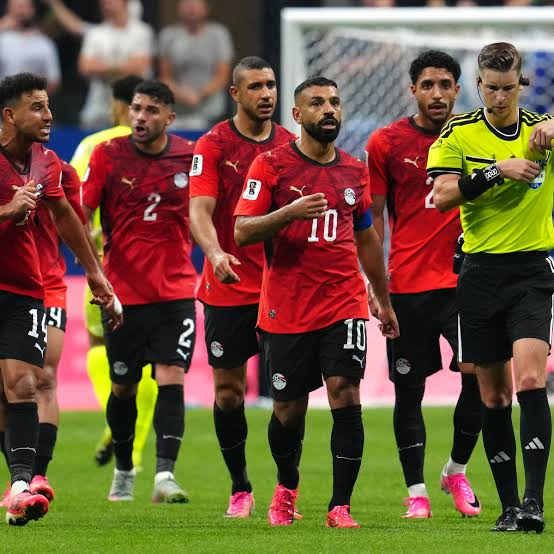
The last 16 produced matches that were tense, physical and tactically varied. Several fixtures required extra time or penalty shootouts and one match produced what may become an iconic upset. Egypt advanced to the quarterfinals for the first time in decades, driven by a blend of veteran leadership and a new generation of attackers who brought pace and inventiveness to the attack. Traditional powerhouses continued to assert themselves but the balance of power showed signs of change.
Spectators in stadiums across North America described a sensory mix of thunderous cheers, the smell of hot food wafting through concourses and moments of stunned silence when key calls went against favored teams. Broadcasters emphasized the human stories behind the results, and social media amplified both celebration and outrage in real time.
Standout performances and turning points
Several individual displays shaped the outcomes. Egypt relied on a goalkeeper who produced reflex saves at critical moments and a forward who timed late runs behind defenders with surgical accuracy. Other quarterfinalists featured disciplined defensive blocks, midfielders who controlled tempo through precise passing, and coaches who adjusted formations mid game to exploit opponents. Tactical swings and substitutions proved decisive in matches that might otherwise have been deadlocked.
Egyptian run as a national moment
Egyptian supporters poured into venues and rallying points in Cairo and across the diaspora. The country’s run has been framed as a unifying national moment. Streets filled with flags and chants, television sets in homes and coffee shops showed scenes of jubilation that mixed football joy with relief and pride. For many players this World Cup represents redemption after near misses in previous tournaments and a validation of investment in youth development and coaching infrastructure.
Beyond the immediate sporting accomplishment there are economic and cultural consequences. Sponsors and broadcasters pay closer attention to markets that produce compelling narratives. Young players in Egypt will see new role models and may accelerate their paths into professional leagues abroad. The story now becomes how Egypt builds on this success for domestic leagues and grassroots programs.
Political fallout and calls for investigation
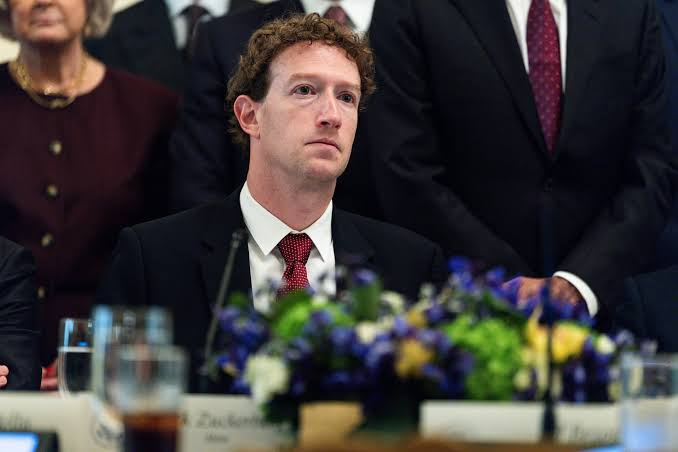
Simultaneously the quarterfinal stage has been eclipsed in part by a political storm. A group of European lawmakers issued a formal request for an investigation into FIFA President Gianni Infantino, citing concerns about refereeing decisions during key matches and the handling of suspensions of match officials. The lawmakers argue that transparency and impartial governance are essential to preserving the integrity of global football.
The complaint highlights several specific episodes where controversial refereeing decisions altered match momentum and outcomes. It also questions internal disciplinary processes that led to temporary suspensions of referees and match officials without full public explanations. The lawmakers sought documentary evidence and a clear timeline of actions taken by FIFA governance bodies.
Why this matters to fans and stakeholders
Perceptions of fairness are central to competitive sport. When refereeing decisions prompt persistent debate, they can degrade trust among fans, national associations and commercial partners. Sponsors and broadcasters depend on predictable, credible competition; national federations need assurance that disciplinary measures follow transparent rules. The European inquiry raises broader questions about accountability in sports governance bodies that manage billions in revenue and influence.
FIFA response and the path ahead
FIFA issued a statement asserting its commitment to impartiality and the integrity of match officials while acknowledging concerns about specific incidents. The governing body said it would review the matters raised and cooperate with any legitimate investigative process that adheres to established procedures. At the same time FIFA defended the independence of its refereeing department and reiterated existing mechanisms for appeals and oversight.
Experts note that investigations of this scale can be protracted. They may involve independent auditors, interviews with referees and officials, analysis of match footage and review of disciplinary protocols. For the World Cup itself the most immediate imperative is to preserve competitive fairness on the field while ensuring that off field inquiries do not overshadow the remaining matches.
How players, coaches and fans are reacting
Players and coaches largely concentrated on preparation for the next opponent but could not entirely detach from the governance debate. Several managers called for calm and insisted that referees are human and deserving of respect, even as they requested clearer communication about contentious calls. Players from nations affected by disputed decisions expressed frustration while urging football authorities to pursue reforms that ensure consistent standards.
Fans voiced their opinions in stadium chants, op eds and social feeds. Some demanded strict accountability, others cautioned against politicizing refereeing errors that can arise from split second judgments. The result has been an intense public conversation about how modern football balances technological assistance such as video review with the continuing role of human discretion.
Technology, transparency and reform conversations
Debate about the use of technology recurred after several matches where video review produced delayed or divided reactions. VAR and semi automated offside systems have reduced some types of error but introduced new controversies about interpretation and timeliness. Recommendations emerging from pundits and governance experts include clearer published protocols for when and how reviews are conducted, improved referee communication to the public and standardized appeals procedures that provide more comprehensive explanations when officials are suspended.
A sustainable path forward likely combines better training, more transparent governance practices and reforms to disciplinary procedures that strengthen trust without undermining the authority of match referees. Independent oversight bodies with clear mandates are one proposal being discussed by legal experts and federation representatives.
What to watch in the quarterfinals and beyond
The quarterfinal matches will test depth and adaptability. Teams that manage fatigue, rotate intelligently and control the psychological pressure of knockout football have advantages. Key storylines to follow include Egypt facing a tactical heavyweight, the resilience of perennial favorites, and whether refereeing controversies influence the atmosphere and officiating in the remaining fixtures.
We will also watch how the investigation requests unfold and whether they lead to procedural changes during or after the tournament. Whatever the outcome on the pitch, the World Cup has become a focal point for conversations about governance in sport and the expectations supporters bring to modern international competition.
Further reading on governance and refereeing standards
For context on institutional reviews and best practices in sports administration consult resources from established watchdogs and sports law centers such as the Council of Europe sports governance materials and analyses from international sports law journals. The Council of Europe maintains material on good governance principles relevant to federations and committees is available through official pages and public reports here. For refereeing technology and protocol studies see research and technical reports hosted by FIFA and independent academic centers including peer reviewed summaries at major university sports law programs FIFA.
As the tournament advances we will keep reporting on matches and on governance developments with the same attention to factual detail and human stories that have defined this World Cup thus far. Which quarterfinal fixtures feel most decisive will depend on tactics and moments of individual brilliance. The broader question about how football institutions respond to calls for accountability will shape the sport long after the final whistle.