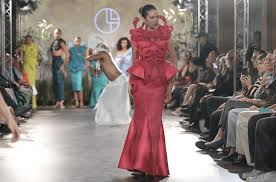
Drums echoed through the Sydney Opera House forecourt as Samala Cronin’s designs glided down the runway, fabrics whispering stories of land, loss, and renewal. On May 12, 2026, the designer headlined the First Nation Fashion Design Reclamation show, blending indigenous excellence with sustainable Blak fashion for a spellbound international crowd. We felt the pulse of pride in the air, a vibrant reclaiming of narratives long sidelined, inviting global eyes to witness resilience woven into every stitch.
Cronin, a Yorta Yorta and Ngarrindjeri artist from Victoria, opened with a collection titled “Country Threads.” Models moved with grace, draped in garments fusing possum fur cloaks with modern cuts, ochre-dyed silks flowing like river waters. One standout piece, a cape embroidered with emu footprints, evoked ancestral tracks across the outback.
The sensory immersion hit hard: scents of eucalyptus smoke from cleansing ceremonies mingled with the rustle of handwoven baskets as accessories. Cronin’s voice carried over speakers: “This is reclamation, thread by thread, honoring Elders while dressing the future.” Her work spotlights Blak excellence, term rooted in Aboriginal identity and pride.
International buyers from Paris and New York buzzed, snapping details of upcycled plastics mimicking pearl shells. Cronin’s label, launched in 2022, now stocks in boutiques from Melbourne to Milan.
The Reclamation Runway’s Cultural Power
This event, fourth annual, gathers First Nations designers to assert sovereignty in fashion. Over 20 creators showcased, from Torres Strait Islander weavers to Warlpiri printmakers. Themes circled sustainability: bush dyes from native plants, fibers from kangaroo grass, zero-waste patterns drawn from songlines.
We connect deeply with the stories. A gown by guest designer Kirrly Jordan featured quillwork from desert spinifex, symbolizing survival amid drought. Attendees, including celebrities like Jessica Mauboy, wiped tears during a tribute to stolen generations, fabrics bearing faded mission laundry tags.
The show partners with NAIDOC Week initiatives, amplifying voices suppressed by colonization. Proceeds fund youth apprenticeships, nurturing next designers.
Standout Collections and Innovations
- Kirrly Jordan: Spinifex quillwork gowns
- Torres Strait ensemble: Turtle shell motifs in recycled ocean plastic
- Warlpiri prints: Songline digital weaves on organic cotton
Sustainable Blak Fashion Leads Global Trends
Blak fashion pioneers eco-practices. Designers shun fast fashion’s waste, using invasive species like feral goats for leather or lantana for dyes. Cronin’s process involves community harvesting, closing loops from land to garment.
This resonates globally amid climate urgency. Indigenous knowledge, honed over millennia, offers solutions: natural tannins fix colors without toxins, merino wool blends endure washes. Buyers praise durability, countering throwaway cycles.
Fashion weeks in London and Tokyo now scout Blak talents, blending with streetwear. Collaborations emerge, like Cronin’s with Adidas on limited sneakers featuring dot painting soles.
Challenges Faced by First Nations Creators
Pathways remain steep. Limited funding hampers scaling; supply chains for native materials falter under regulations. Cronin recalls early rejections: “Galleries called our work ‘ethnic,’ not art.”
Intellectual property battles persist. Sacred designs risk co-option by luxury brands. We empathize with the fight for provenance, Elders guiding protections. Government grants help, but bureaucracy slows.
Yet triumphs mount. Blak representation at Australian Fashion Week hits 15 percent, up from 2 percent a decade ago.
Global Reach and International Impact
Live-streamed to millions, the runway drew acclaim from Vogue Japan to Vogue Australia. U.S. influencers hailed “quiet luxury with soul,” sparking preorder surges.
Europe’s ethical fashion scene aligns, with Paris stores stocking similar lines. Canada’s Inuit designers draw parallels, planning cross-cultural shows. This fosters solidarity, weaving global indigenous networks.
Stories from Designers and Attendees
Young apprentice Mia Walford, from Wiradjuri country, beamed post-show. “Seeing Samala inspired my first collection. It’s our stories on world stages.” Veteran weaver Aunty June shared: “Threads carry memory; runways heal wounds.”
Attendees felt transformed. A Sydney mother brought her daughter: “She sees heroes who look like us, dreaming bigger.”
Future Directions for Indigenous Fashion
Expansion beckons. Cronin eyes pop-ups in New York, sustainable factories in regional Australia. Calls grow for Blak fashion councils, advising policy on cultural IP.
Education integrates: universities offer indigenous design courses. Consumers urged to buy direct, supporting artists over middlemen.
Celebrating Resilience on Fabric and Stage
The Reclamation Runway pulses with hope. Samala Cronin’s headline cements Blak fashion’s rise, sustainable and sovereign. We honor these creators, their work mending pasts while styling futures.
In every sway and color burst, pride endures. Audiences leave inspired, ready to wear stories of strength.