Major multinational brands led by Nestlé PepsiCo and General Mills reached crucial reformulation milestones at the turn of this summer as they phased synthetic FD C food dyes out of broad swaths of their global portfolios. The Food and Drug Administration has been tracking those changes closely as companies finalize product recipes labeling and global rollouts that affect millions of consumers and complex international supply chains.
What changed and why the moment matters
By June 30 and July 1 many flagship products now list natural colorants derived from fruits vegetables and botanical extracts instead of standard FD C numbers. The move follows years of consumer demand regulatory scrutiny and supply chain innovation that together made large scale substitution feasible. For families buying snacks beverages and breakfast foods the change alters everyday sensory experiences from the hue of a cereal bowl to the color of a carbonated drink and signals a broader shift in industrial food chemistry toward plant based alternatives.
FDA role and regulatory context
The FDA does not require approval for many naturally derived colors when they meet existing food safety standards, but it continues to evaluate data on allergenicity stability and manufacturing impurities. The agency has increased engagement with manufacturers to review analytical methods for quantifying replacement colorants and to monitor labeling claims. FDA officials confirmed they are tracking reformulation timelines adverse event reports and consumer inquiries while coordinating with international regulators for consistent oversight across export markets.
How brands executed large scale reformulation
Switching color systems in global product lines meant overcoming technical challenges that touch taste texture shelf life and processing. Product developers tested pigments such as anthocyanins from purple sweet potato or black carrot curcumin from turmeric and beta carotene from carrot and palm oil for stability under light heat and acidic conditions. Many companies redesigned packaging to limit light exposure and adjusted pH or emulsifier systems to preserve vividness without adding off notes.
Supply chain managers built new sourcing relationships with growers and extractors while investment in analytical labs increased to ensure batch to batch consistency. For global brands synchronizing reformulations across markets required navigating different regulatory approvals raw material availability and consumer preferences for color intensity and hue.
Economic and operational implications
Replacing synthetic FD C dyes tends to raise ingredient costs and complicate procurement but companies expect net value from stronger consumer trust and fewer regulatory risks. Some manufacturers reported initial production slowdowns and higher waste rates during trial runs but said those issues decreased as processes stabilized. Smaller brands and private label producers face steeper barriers because natural extracts require minimum order volumes and cold chain logistics that increase unit costs.
Analysts expect demand for natural color suppliers to remain robust with ripple effects for agriculture and food ingredient markets. Growers of crops used for color extracts may expand acreage and invest in post harvest handling to meet food grade specifications.
Consumer reaction and sensory tradeoffs
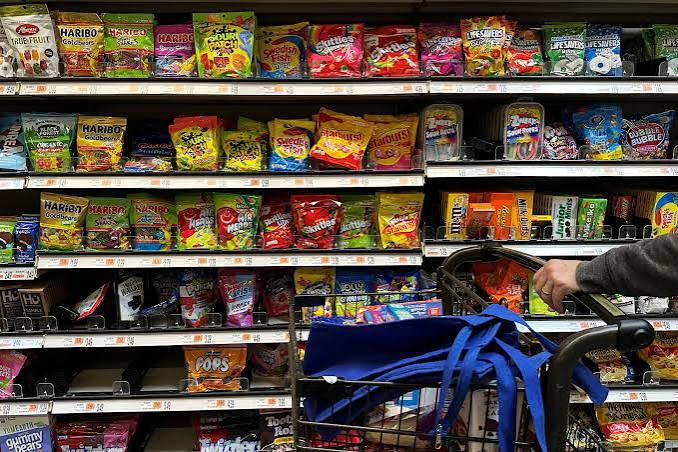
At a summer supermarket aisle shoppers noticed differences in shade and opacity. Parents reported mixed reactions from children who sometimes equate brighter hues with greater appeal. Food scientists emphasize that color perception influences taste expectations so manufacturers must balance appearance with authentic flavor profiles. In many cases brands have chosen slightly more subdued tones that still read as familiar while avoiding artificial brightness that critics associate with ultra processed foods.
Surveys conducted by independent consumer groups show growing acceptance of natural colors when companies communicate the reason for the change and maintain taste and texture. Transparency in labeling and marketing appears critical to consumer trust during the transition.
Health implications and scientific debate
Debate continues among scientists about the public health significance of synthetic FD C dyes. Some studies link certain dyes to behavioral effects in sensitive children while other research emphasizes acceptable daily intake thresholds established by regulators. Health advocates applaud reduced exposure across populations and see the shift as a precautionary approach that lowers aggregate intake of synthetic additives. Regulatory toxicologists caution that natural does not always mean safer and highlight the need for robust safety assessment of botanical extracts and processing residues.
Global supply chain considerations
Because multinational brands operate across continents the reformulation effort required aligned approvals in multiple jurisdictions. Some countries have stricter rules on specific synthetic dyes which in some cases simplified global synchronization while other markets required additional safety dossiers for new natural colorants. Logistics providers adapted warehousing protocols to limit heat and light exposure and ensure extract stability from origin to factory.
Trade associations and ingredient suppliers coordinated to expand the network of certified processors and labs to meet new demand while addressing traceability and verification needs for buyers and regulators.
Voices from industry and communities
I spoke with a formulators team in a Midwestern research kitchen where a steam cloud carried the aroma of toasted grains and citrus. The lead scientist described meticulous trials where slight changes in pH or oil content altered color bloom. A procurement manager in California recounted negotiating long term contracts with extractors in Southeast Asia to secure pigment quality and continuity. Consumer advocates welcomed the changes while urging companies to minimize compensatory additives such as extra sugars or artificial flavors to preserve health gains.
Practical guidance for consumers and retailers
- Read ingredient lists for specific color sources such as anthocyanins beet juice curcumin or beta carotene and compare product labels across reformulated lines.
- Expect visual differences and focus on taste and nutritional content when making choices for children and vulnerable household members.
- Retailers should update supplier specifications require certificates of analysis and verify storage conditions that preserve natural pigment integrity.
Where to find more information
Consumers and food professionals seeking regulatory guidance and safety data can consult FDA resources on food additives and color additive regulations and peer reviewed literature on natural pigments. The FDA provides technical documents that explain color additive status certification and safety evaluation for both synthetic and natural colorants at the agency s official portal which contains guidance and recent communications regarding industry reformulation efforts.
Selected sources for technical reference include the Food and Drug Administration FDA and scientific reviews available through established journals and institutional repositories.
Final perspective
The move by Nestlé PepsiCo General Mills and other multinational companies to phase out synthetic FD C dyes marks a pivotal shift in how mass produced foods are colored and presented. The transition presents sensory and logistical tradeoffs but reflects consumer preferences regulatory pressures and an industry willing to invest in alternative supply chains. The FDA s monitoring role will shape how safely and transparently the new palette of natural colorants is integrated into the global food supply.