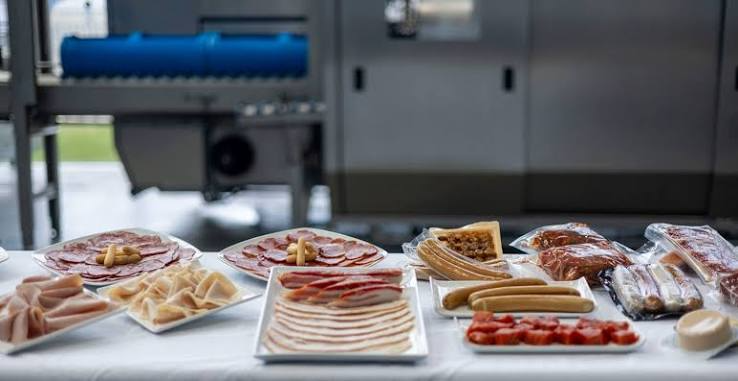
On July 1, 2026 officials across the European Union and Northern Ireland began enforcing an amended safety standard known as Criterion 1.2b which requires stricter evidence of shelf life and microbial control to limit Listeria monocytogenes in ready to eat foods. The change introduces new testing protocols record keeping and supply chain transparency that will affect manufacturers retailers and consumers across cross border food networks.
What changed under Criterion 1.2b and why it matters
Criterion 1.2b revises how producers must demonstrate that foods susceptible to Listeria remain safe through their labeled shelf life. Regulators now demand empirical shelf life studies challenge tests that model Listeria behaviour and more rigorous environmental monitoring at processing sites. The rule also clarifies documentation standards for batch traceability and requires corrective action plans when contamination risks are detected.
The practical effect is greater accountability for companies that produce deli meats soft cheeses smoked seafood and other ready to eat products. For consumers the change aims to reduce the frequency and severity of Listeria outbreaks which disproportionately harm older adults pregnant people and individuals with weakened immune systems. For public health authorities the amendment strengthens prevention by shifting emphasis from outbreak response to proactive control.
Key technical requirements producers must meet
Under the new standard companies must present data that supports the declared shelf life for each product formulation and packaging format. Required evidence includes challenge studies where foods are inoculated with Listeria strains under controlled conditions to show whether the organism grows stays stable or declines during storage. Environmental monitoring programs must use validated sampling and laboratory methods with routine sequencing or serogrouping to link contamination sources to finished products.
Regulators also expect robust sanitation regimes, documented review cycles, and rapid notification procedures when a product deviates from validated safety parameters. Small scale producers are given phased compliance timelines alongside technical guidance to help meet laboratory and documentation expectations without sacrificing local food systems.
How enforcement will work across borders
Because food supply chains often cross national boundaries the EU Commission and Northern Ireland authorities coordinated enforcement to ensure consistent application. Border inspection posts and port authorities will review certificates and supporting study reports and may hold shipments pending verification. The coordinated approach is intended to avoid market fragmentation while preserving consumer safety.
Member state agencies will conduct unannounced inspections and sample testing consistent with the new standard and share findings through established rapid alert networks. Companies operating in multiple jurisdictions will need harmonized quality management systems to comply with varying inspection schedules and reporting protocols.
Economic and operational implications for industry
The rule raises compliance costs for some manufacturers who must expand laboratory work upgrade packaging, or redesign production processes to control microbial growth. Larger companies with in house testing capacity may absorb these expenses more readily while smaller processors face steeper relative costs. To address this disparity regulators included technical assistance funding and longer lead times for microenterprises.
Some retailers said they would update supplier agreements to require validated shelf life data and environmental monitoring records. Food service operators will increase scrutiny of incoming products and adjust inventory management to reduce the time ready to eat items spend on store shelves. Logistics providers anticipate changes in warehousing practices and cold chain verification to align with stricter shelf life claims.
Voices from the field
At a regional cheese cooperative in Northern Ireland I visited a production room that smelled faintly of washing brine and milk. Producers described a mix of anxiety and determination as they ramp up testing and paperwork. One cheesemaker recounted sleepless nights balancing artisanal methods with rigorous challenge testing that often requires scaling recipes for laboratory batches. A public health inspector emphasized that the goal is not to punish small producers but to reduce cases of listeriosis which carry high mortality rates when undetected.
Consumer advocacy groups welcomed the change as a long overdue tightening of rules that had relied on broad assumptions about shelf life. They urged transparent labeling and public education so shoppers understand storage practices that minimize risk for vulnerable household members.
Public health benefits and measurable targets
Regulators expect Criterion 1.2b to reduce Listeria incidence by improving early detection and preventing contaminated products from reaching consumers. The measure is targeted at lowering contamination rates in ready to eat foods and eliminating long term environmental reservoirs in processing facilities. Health agencies will monitor trends in listeriosis cases hospitalizations and outbreak frequency to evaluate the rule s impact.
Support and resources for compliance
To help businesses transition regulators published guidance documents training modules and lists of accredited laboratories. The European Food Safety Authority maintains technical guidance on Listeria challenge studies and environmental monitoring methods and the Food Standards Agency in the United Kingdom issued practical checklists tailored to small producers. Those resources provide step by step advice on study design sampling plans and record keeping.
Selected resources include detailed technical opinions and method recommendations available at the European Food Safety Authority EFSA and operational guidance from the Food Standards Agency in the United Kingdom Food Standards Agency.
Practical steps for consumers and retailers
- Store ready to eat foods at recommended refrigeration temperatures and follow use by dates rather than best before dates for at risk products.
- For vulnerable household members avoid high risk items such as unpasteurized cheeses or delicatessen salads unless sourced from suppliers with transparent testing records.
- Retailers should rotate stock frequently inspect deliveries and require suppliers to provide validated shelf life evidence for high risk categories.
Looking ahead
Criterion 1.2b represents a significant regulatory tightening designed to make supply chains more resilient against a persistent foodborne pathogen. The new standard asks businesses producers and regulators to commit to science based proof that shelf life claims are safe and verifiable. If implemented carefully the rule should reduce the human toll of listeriosis while preserving diverse food systems and cross border trade that millions rely on for daily sustenance.