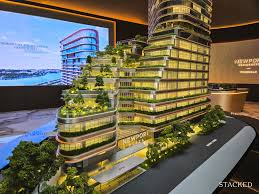
On June 9, 2026 One Homes announced a $35 million foreign investment tranche aimed at premium suburban developments, a move that highlights a broader wave of cross border capital reshaping residential real estate markets. The influx targets high end projects in emerging suburban hubs where buyers seek space quality of life and proximity to urban centers. For local communities investors and workers the deal promises jobs and new amenities while raising questions about affordability, local control and the cultural footprint of luxury development.
What the investment covers and why it matters
The One Homes investment will fund a portfolio of mid sized luxury projects focused on townhomes gated enclaves and low rise apartment complexes marketed to affluent domestic buyers and international purchasers. The capital will support land acquisition bespoke architectural design higher grade finishes and community amenities such as parks fitness facilities and concierge services. Developers argue that concentrating high quality construction in suburban nodes addresses a market gap where demand for larger living space has outstripped supply.
For municipal governments the projects bring short term construction employment, increased property tax revenue and potential improvements to local infrastructure. For builders and local suppliers the order books translate into steady workflow that sustains local trades and specialized contractors. Yet the scale and profile of the investment also intensifies scrutiny from community groups and housing advocates concerned about rising price points and displacement risks.
Why foreign capital is attracted to suburban luxury
Investors cite several factors attracting capital across borders. Suburban projects offer comparatively predictable returns, tangible collateral and the ability to deliver finished assets in a shorter timeline than large urban towers. Emerging suburban hubs benefit from rising remote work adoption and continued demand for larger homes with dedicated office space and outdoor amenities. Currency dynamics, regulatory environments and favorable tax treatments in certain jurisdictions also make these developments an appealing destination for international portfolios seeking diversification.
One Homes and similar developers often combine a local operating partner with foreign capital to navigate permitting, local labor markets and sales channels. That structure provides investors with operational expertise while allowing projects to conform to local planning standards and market tastes.
Community reactions and human impact
The announcement produced mixed reactions in host communities. Some residents welcomed new green spaces upgraded sidewalks and the promise of local jobs for construction crews and service workers. Others expressed anxiety about shifting neighborhood character and the potential for rising rents that could squeeze long term residents. On a warm June morning local café owners near a planned site noted increased inquiries about leasing and catering for construction crews even as neighborhood associations prepared petitions asking for guarantees on affordable housing set asides.
For workers on the ground the projects mean steady shifts and new training opportunities. Carpenters, electricians and landscapers we spoke with said the luxury specifications require higher skill levels and sometimes longer lead times for specialty materials, which can lift pay rates for certified tradespeople. That economic benefit, however, does not fully address concerns about service sector workers who may struggle with rising local rents as purchasing power shifts upward.
Local services and small business effects
-
– Increased daytime population around construction zones boosts demand for food service, logistics and retail suppliers catering to workers.
– New residents with higher disposable income can expand customer bases for boutique shops, wellness providers and premium grocery outlets.
– Tensions arise when small businesses face rising rents as landlords see opportunity from incoming higher income tenants.
Policy and planning questions
City planners and elected officials must weigh the economic upsides against the social costs. Key policy levers include inclusionary zoning requirements, community benefits agreements and tax increment financing that channel portions of project value into affordable housing, transit improvements and workforce development. Several municipalities are negotiating terms that require developers to reserve a share of units for middle income households or to fund local housing trusts that assist low income residents.
Critics argue that voluntary commitments often fall short without binding enforcement mechanisms. Urban policy scholars and housing advocates pressed for transparent monitoring of developer obligations, timetables for delivery and penalties for non compliance. The debate highlights a recurring tension in urban governance: how to leverage private investment for public good while preserving market incentives for development.
Market dynamics and pricing implications
Luxury suburban developments influence local housing dynamics by setting higher price anchors for comparable properties. Appraisers factor new high quality builds into neighborhood comparables, which can lift valuations for adjacent properties and increase property tax assessments. For homeowners this can be welcome appreciation, but for renters and first time buyers it creates steeper affordability barriers.
Developers counter that luxury projects can reduce pressure on urban core markets by absorbing demand from buyers seeking more space, potentially mitigating price escalation in constrained central districts. Economists caution that effects vary widely by region and depend on overall housing supply elasticity and local regulatory frameworks.
Investor perspective and global flows
Institutional investors and family offices have continued to diversify into residential real estate as part of balanced portfolios that favor income generating assets with inflation hedging properties. Cross border capital often brings patient financing that supports multi year buildout cycles. One Homes presented its investment as part of a targeted strategy focused on markets with strong demographic tails, proximity to transit corridors and a stable regulatory outlook.
Global capital movements can also be sensitive to geopolitical and macroeconomic conditions. Changes in taxation for foreign buyers, shifts in interest rates or new foreign investment screening rules can alter flows quickly. Some jurisdictions have instituted taxes or registration requirements to manage speculative buying by non residents and to protect local housing availability.
Environmental and design considerations
Sustainability measures are increasingly prominent in luxury suburban projects. Developers highlighted energy efficient envelopes, passive solar orientation and on site landscaping that uses native species to reduce irrigation. Some projects include community energy systems and EV ready parking to meet buyer expectations for green credentials. Yet building bigger homes can contradict urban climate goals if it increases per capita energy use and car dependency. Planners urged integrated design that pairs density with accessible public transport and active travel infrastructure to balance quality of life with climate commitments.
Certification schemes such as LEED and regional equivalents are often used to communicate environmental performance to buyers and to qualify for green financing. The investor tranche includes allocations earmarked for sustainability improvements that can reduce operating costs and support long term asset value.
Where to follow developments and what to expect next
Stakeholders should watch local planning board meetings, municipal negotiation records and developer filings for project timelines and community benefits details. For investors national real estate analytics firms provide market level data on pricing trends, absorption rates and developer pipelines. Housing policy think tanks publish assessments of affordability impacts and best practice recommendations for managing foreign capital inflows.
Readers can consult national land registries and municipal planning portals for public documents, while research from institutions such as the Urban Land Institute provides context on best practices for equitable development.
A cautious, people centered outlook
The $35 million infusion into premium suburban projects by One Homes reveals appetite for cross border residential investment that promises economic activity and new housing product. The gains for local tradespeople, retailers and municipal coffers are real. At the same time the deal intensifies debates about who benefits from development and how to protect long standing communities from unintended displacement. If municipal leaders pair careful planning, enforceable community benefits and transparent oversight, foreign capital can support inclusive growth. If not, the result may be enclaves of prosperity that widen local divides.
For residents and local leaders the task now is to translate investment momentum into durable improvements that preserve community fabric while delivering new homes and opportunities for a broad cross section of the population.