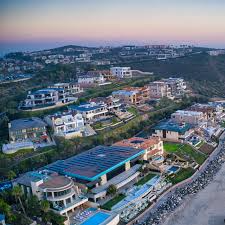
Coldwell Banker reported a striking 100 percent rise in international interest in U.S. luxury real estate in its mid year market review released July 14 2026. The report captures more than just higher inquiries and sales activity. It points to a behavioral shift among affluent overseas buyers who are increasingly purchasing adjacent parcels of land in order to create private enclaves a practice called landmaxxing. This movement is reshaping coastal and mountain enclaves from Miami to Aspen and prompting new questions about local planning access and the market for large contiguous lots.
What the numbers show and why they matter
Coldwell Banker found that international searches and buyer activity for properties at the luxury price tier rose by 100 percent year over year through mid July 2026. Interest is strongest in coastal Florida the California coast parts of the Mountain West and resort towns in the Northeast. Several indicators explain the surge. Currency shifts increased buying power for holders of euros pounds and parts of the Middle Eastern currencies. Post pandemic travel reopenings and relaxed visa policies in some source countries revived property touring. At the same time a broader class of global wealth sought safe haven real assets offering lifestyle benefits and potential long term capital preservation.
The data matters beyond headline growth because it signals a structural demand for land not only as an asset but as a tool for privacy and control. Landmaxxing involves acquiring adjoining parcels to increase separation from neighbors and to manage views access and future development. That strategy has consequences for land supply local tax bases and conservation efforts in high demand regions.
How landmaxxing works in practice
We sat down with brokers and developers working with international buyers to map real transactions. A family from Europe purchased an oceanfront estate in Naples Florida and then closed on two neighboring lots to prevent high density development that could obstruct their views. In the Rockies a tech entrepreneur from Asia bought a primary lot near a ski resort then acquired the downstream parcel to secure a private trailhead and create a buffer for noise and traffic.
Buyers pursue landmaxxing for several reasons
- Privacy and security by creating physical distance and controlled access
- Preserving scenic views by preventing neighboring development
- Estate planning and legacy ownership to hold contiguous acreage
- Tax and regulatory considerations where land use changes can be managed across multiple parcels
Where buyers are concentrating purchases
The hotspots align with established luxury markets and amenity rich corridors. South Florida draws buyers for climate warmth and waterfront options. Southern California remains desirable for weather and culture. The Mountain West especially Colorado and Wyoming attracts buyers seeking alpine privacy and outdoor recreation. Coastal New England pulls affluent buyers focused on historic towns and seasonal living.
Local brokers report a higher frequency of bids that include conditional offers on adjacent lots or purchase agreements that link multiple parcels. Sellers who control contiguous tracts can now command premiums well above per acre values for isolated parcels because buyers value the combined privacy and development control.
Local impacts and community response
Communities where landmaxxing is concentrated report mixed effects. Neighbors in small towns sometimes welcome wealthy buyers whose purchases fund local services and raise property tax receipts. At the same time land consolidation can reduce availability of less expensive lots and limit options for middle income residents or seasonal workers. Town planners note pressure on zoning boards as buyers seek subdividing variances or seek to maintain parcels in single ownership.
Environmental groups highlight additional concerns. When private buyers acquire large tracts to shield development the land may remain undeveloped which can benefit habitat protection. But parcels that change hands frequently may lack long term stewardship and could be cleared for exclusive amenities such as helipads private roads or extensive lighting that disrupt ecosystems.
Legal and regulatory considerations for buyers and towns
Attorneys and municipal officials point out key legal touchpoints when multiple parcels are assembled. Title searches must reveal easements rights of way and covenants that travel with land. Buyers should assess local zoning and shorelines laws which in some jurisdictions limit consolidation or create public access obligations. Tax assessments often treat contiguous holdings differently depending on use so prospective buyers need cash flow projections and tax counsel before completing purchases.
Municipalities face choices about how to respond. Options include strengthening open space protections creating transfer of development rights programs or updating subdivision rules to preserve a mix of housing types. When towns want to retain community diversity they may pursue land trusts and public purchases to keep critical parcels available for workforce housing or community facilities.
Market outlook for the rest of 2026
Market watchers expect international demand to stay elevated for several reasons. Global capital remains abundant and wealthy buyers still see U.S. markets as a stable option for lifestyle and investment. However rising mortgage rates and tighter lending for non resident buyers could temper transaction velocity. Supply constraints in trophy neighborhoods will sustain premiums particularly for large contiguous parcels that support landmaxxing strategies.
Developers and brokers anticipate a growth in bespoke services that help buyers assemble parcels including acquisition advisory teams land planners and specialized legal counsel. Luxury listings increasingly highlight neighboring lots availability and potential for consolidation as a selling point. For buyers who prize discretion agents report more off market arrangements aimed at preventing price escalation and public attention.
What buyers and communities should consider
For international buyers considering landmaxxing prudent steps include engaging local counsel and land planners conducting environmental assessments and verifying access and easements. Understand tax treatment and long term holding costs including property taxes and maintenance on expanded acreage.
For communities deliberating policy responses consider these approaches
- Update zoning to require a balanced mix of lot sizes and housing types
- Create conservation easements and land trust partnerships to protect public goods
- Use transfer of development rights to guide growth toward appropriate areas
- Establish clearer rules on lot consolidation to preserve access and affordability
Further reading
Coldwell Banker s mid year report provides the market data and regional snapshots that underpin the interest surge and is available through major brokerage channels. For municipal policy tools the Lincoln Institute of Land Policy maintains extensive resources on zoning and land use strategies that help communities manage consolidation and growth.
The doubling of international interest in U.S. luxury real estate is reshaping both markets and neighborhoods. When buyers pursue landmaxxing they are not only buying property they are buying control over what lies beyond their fences. That dynamic raises questions about access equity and stewardship that towns developers and buyers must address together as demand and prices continue to climb.