Fashion is moving beyond the traditional boundaries of clothing as major creative figures, design institutions, educators, and emerging entrepreneurs bring streetwear, lifestyle culture, business training, and artistic development into shared spaces. Developments unfolding around October 6 and 7, 2026 point to a broader international movement in which fashion programs are becoming places to learn, build businesses, exchange ideas, and connect with music, technology, media, and culture.
Fashion Hubs Are Becoming More Than Places to See New Clothes
The autumn and winter fashion calendar is showing a stronger connection between what people wear and the communities they build around it. A runway may still provide the visual centerpiece, but the surrounding activity increasingly includes workshops, exhibitions, business discussions, student programs, retail experiences, music, digital media, and opportunities for emerging creators.
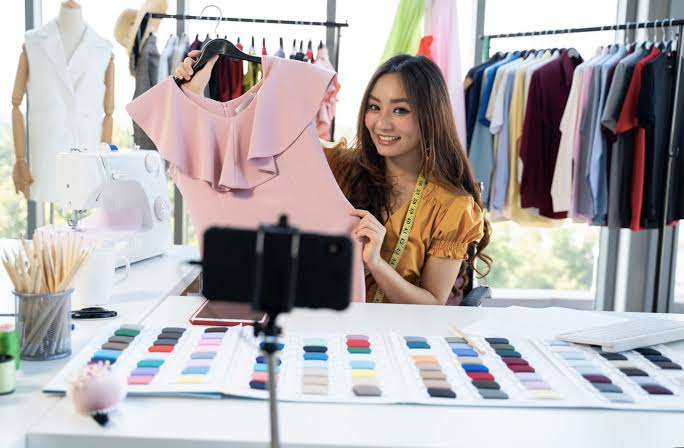
That change reflects how contemporary fashion businesses are actually built. A successful label may require a designer, photographer, stylist, content creator, marketer, manufacturer, retailer, social media manager, and business strategist working together. For young creators, learning only how to design a garment is no longer enough. They also need to understand audiences, pricing, storytelling, digital commerce, intellectual property, and the realities of running a creative company.
The growing importance of these connections can be seen in current international fashion education programs. The Pakistan Institute of Fashion and Design, for example, is offering fall 2026 short courses in areas including fashion design, collection development, digital portfolio development, and brand management. Its Karachi and Islamabad programs show how professional fashion education is increasingly connecting creative skills with practical career development.
Streetwear Continues to Shape the New Creative Economy
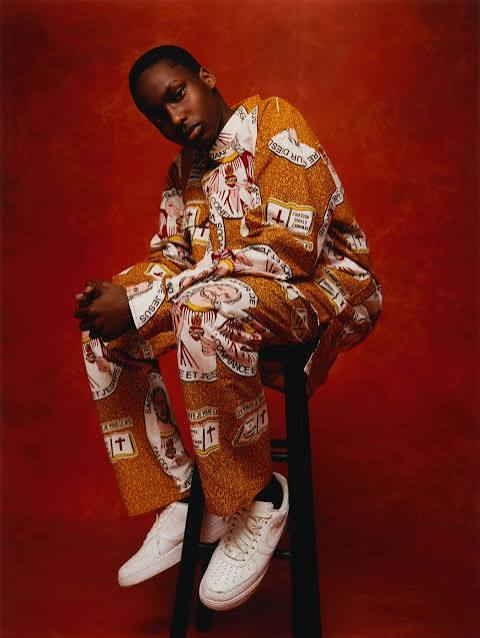
Streetwear has played an unusually important role in this transition because it has historically operated at the intersection of clothing, music, art, sport, youth culture, and community. Its influence has moved far beyond graphic shirts and sneakers. Today, streetwear inspired businesses can become broader lifestyle companies with retail spaces, creative studios, events, media projects, and educational activities.
That cultural expansion has been visible for years, but the current generation of designers is pushing the idea further. Vogue has documented how creative figures such as Colm Dillane of KidSuper have approached fashion as part of a larger cultural ecosystem, combining apparel with art, music, video, retail, and physical creative spaces. The result is a model in which clothing can serve as an entry point into a much larger community.
We should therefore be careful about treating streetwear as simply another category of apparel. Its deeper influence lies in the way it gives young consumers a sense of participation. People do not simply buy a garment. They may identify with the music, neighborhood, artist, visual language, or social group surrounding the label.
From Product to Community
This community driven approach can create opportunities for people who may never have considered themselves traditional fashion professionals. A photographer can enter through campaign production. A musician can contribute to a collection launch. A filmmaker can document a brand story. A developer can build its online store. A marketing specialist can help a small label reach customers in another country.
That wider ecosystem is one reason creative hubs are becoming increasingly valuable. They bring different skills into the same physical or digital environment, allowing people to discover opportunities that may not exist inside a conventional classroom or corporate office.
Education Is Moving Closer to the Real Creative Industry
One of the most significant developments this autumn is the continued blending of formal education with professional creative practice. On October 6, the European Institute of Design highlighted a public program connecting students, alumni, faculty, cultural institutions, businesses, and professional communities. Its October activities include fashion, design, visual arts, communication, exhibitions, festivals, and international design events.
This model matters because students often struggle with the distance between education and employment. A classroom can teach technical principles, but professional confidence frequently develops through real projects, collaboration, criticism, deadlines, and contact with working professionals.
The Digital Multilogue on Fashion Education has also been examining how fashion learning can happen outside conventional institutions. Its 2026 program brings together international fashion learning communities and explores different approaches to teaching, learning, collaboration, and creative practice. The broader message is clear: fashion knowledge is not limited to a studio or lecture hall.
For aspiring designers and entrepreneurs, this can create a more flexible path. A student might combine formal design training with digital marketing, photography, entrepreneurship, content creation, or ecommerce. That combination can make a creative career more resilient because income does not have to depend on one narrow professional role.
Celebrity Initiatives Are Putting Education and Opportunity in the Spotlight
High profile artists are also using their influence to create direct educational opportunities. On October 6, A$AP Rocky announced a four year full tuition scholarship for a first time freshman entering the Roc Nation School of Music, Sports and Entertainment at Long Island University for fall 2027. The initiative gives one student access to an education connected to music, sports, entertainment, and entrepreneurship.
The announcement is significant because it shows how cultural figures can participate in education through more than endorsements or commercial collaborations. A scholarship can remove a financial barrier that might otherwise prevent a talented student from entering a competitive creative field.
Long Island University continues to host information sessions for prospective students interested in the Roc Nation School, including a virtual session scheduled for October 7. Such programs demonstrate how entertainment institutions and universities can work together to expose students to careers that require both creative ability and business knowledge.
For a young person looking at the fashion or entertainment industries from the outside, these opportunities can change the perception of what is possible. Talent is important, but access to mentors, education, networks, equipment, and professional guidance can be just as decisive.
Fashion Entrepreneurship Is Becoming a Core Skill
The modern creative entrepreneur must think about much more than a collection. A designer launching a label may need to understand manufacturing costs, inventory, customer research, photography, social media, website development, shipping, accounting, brand protection, and international sales.
That is why brand management and entrepreneurship are appearing more prominently in fashion education. The Pakistan Institute of Fashion and Design, for example, includes brand management among its fall short course offerings. Other institutions are incorporating digital tools, marketing, visual storytelling, and technology into fashion programs.
The shift is especially relevant for independent creators. A small brand can now reach customers internationally without opening stores in every market. But global access also creates intense competition. A beautiful product alone may not be enough. The entrepreneur must know how to communicate the product, maintain quality, manage customer relationships, and build trust.
Autumn Events Highlight the Importance of Local Creative Communities
The rise of international creative hubs does not mean every important opportunity has to happen in Paris, New York, London, or Milan. Local communities remain central to the development of new ideas.
Fashion weeks and design festivals increasingly provide spaces where emerging designers can meet established professionals, retailers, photographers, suppliers, and audiences. Adelaide Fashion Week, running from October 7 through October 11, 2026, describes its industry program as a platform for designers, businesses, creatives, venues, and audiences to connect through runway presentations and associated events.
These city based programs can have an effect that extends beyond the event itself. A designer may meet a manufacturer. A photographer may find a new client. A student may discover an internship. A small retailer may identify an emerging label. A creative partnership that begins over a short conversation can eventually become a business.
Why the Creative Hub Model Matters for Emerging Talent
The most encouraging part of this movement is that it creates multiple entry points into creative work. Not everyone wants to become a fashion designer, and not everyone needs to. The industry requires people with different abilities and backgrounds.
- Designers can develop collections and product concepts.
- Entrepreneurs can build brands and manage commercial strategy.
- Photographers and filmmakers can shape visual identity.
- Digital specialists can support websites, ecommerce, and online communities.
- Marketers can connect creative products with the right audiences.
- Students can build portfolios through real projects and collaborations.
This wider structure can be particularly valuable for young people who have creative ambition but limited access to traditional industry networks. A local workshop, scholarship, mentorship program, or community event can provide the first meaningful connection between an idea and a professional opportunity.
The Future of Fashion Looks Increasingly Collaborative
The developments surrounding October 6 and 7 suggest that fashion and lifestyle businesses are continuing to move toward a more connected model. Clothing remains central, but it increasingly sits beside education, entrepreneurship, entertainment, technology, media, art, and community building.
For consumers, that may mean brands feel more like cultural spaces than conventional retailers. For businesses, it means partnerships can become as important as individual products. For students, it means a fashion education can lead toward many different careers rather than a single job title.
We should also recognize the human value behind this shift. Creative industries can look glamorous from the outside, but many emerging designers and artists begin with limited resources, uncertain income, and little professional guidance. Programs that provide education, mentorship, funding, or access can make the difference between an idea remaining private and becoming a sustainable career.
As the autumn and winter season develops, the strongest creative hubs may therefore be the ones that give people reasons to stay after the show ends. A runway can introduce an idea, but education can develop it, entrepreneurship can turn it into a business, and community can give it a lasting audience. That combination is helping redefine what a fashion and lifestyle initiative can mean in 2026.