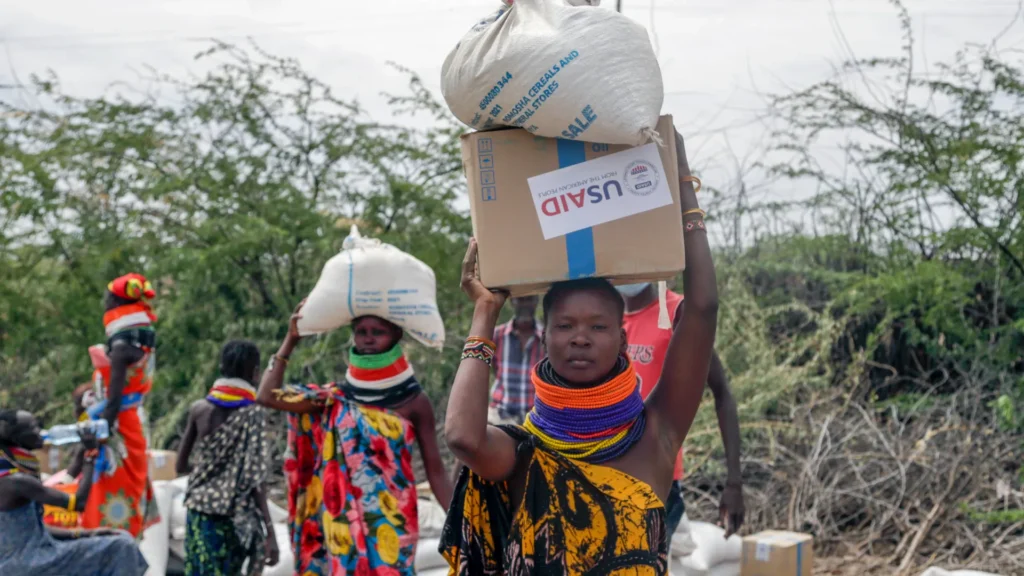
On April 18, 2026, I report on a growing global concern that is reshaping the cost of living for millions of people. The United Nations has issued a stark warning that food prices are surging sharply in the Caribbean and across parts of Africa, driven by ongoing supply chain disruptions linked to the conflict in the Middle East. The ripple effects are now being felt in markets thousands of miles away, as trade routes tighten and essential agricultural inputs become more expensive and harder to access.
This is not a localized inflationary shock. It is a global food security challenge unfolding in real time, where energy markets, shipping corridors, and fertilizer supplies are all interconnected in ways that directly impact what families can afford to eat.
A Global Shock Reaching Vulnerable Regions First
The United Nations and partner agencies have highlighted that small island economies in the Caribbean and several African nations are among the most exposed to this crisis. These regions depend heavily on imported food, fuel, and fertilizers, making them particularly sensitive to disruptions in global trade routes.
Recent assessments indicate that food inflation is accelerating as shipping costs rise and supply chains remain unstable due to geopolitical tensions affecting key maritime routes such as the Strait of Hormuz. Disruptions in this corridor have contributed to higher energy prices, which in turn increase transportation and agricultural production costs worldwide.
According to UN food security monitoring, the combination of conflict driven supply shocks and climate related pressures is pushing global hunger risks higher, with hundreds of millions already facing acute food insecurity in 2026 as documented by global food security assessments.
Caribbean Economies Under Pressure
The Caribbean region is particularly vulnerable because most countries rely on imported food for daily consumption. Even small increases in shipping or fuel costs translate quickly into higher supermarket prices. UN regional analysis notes that these shocks are transmitted rapidly through small island economies, where supply chains are short but highly dependent on external markets.
Households are already feeling the strain. Basic staples such as rice, cooking oil, and flour are becoming more expensive, while transportation costs are rising alongside global fuel prices. Tourism dependent economies are also facing indirect pressure, as higher food costs affect hospitality sectors and local consumption patterns.
UN data suggests that the convergence of global conflict and climate variability could further increase food prices across the Caribbean in the coming months, compounding existing cost of living challenges as highlighted in recent United Nations food outlook reports.
Africa Faces Compounding Food Security Risks
Across Africa, the impact of rising global food prices is being amplified by structural vulnerabilities. Many countries already struggle with limited domestic production capacity, high import dependency, and climate related agricultural stress.
Fertilizer shortages are a particularly serious concern. Disruptions in global supply chains have increased fertilizer costs, making it more expensive for farmers to plant and maintain crops. This is expected to affect harvest yields later in the year, especially in regions dependent on imported agricultural inputs.
The World Food Programme has warned that tens of millions of additional people could face acute hunger if current conditions persist, especially in conflict affected and import dependent economies. Rising food prices are not just an economic issue. They are directly linked to nutrition, health outcomes, and long term development prospects.
How Middle East Disruptions Are Reshaping Food Markets
At the center of this global price surge is the ongoing disruption of key Middle East supply routes. Maritime chokepoints, particularly those critical for oil and fertilizer transport, have become unstable, increasing shipping insurance costs and delivery delays.
Energy prices play a decisive role in food inflation. When fuel costs rise, everything from transportation to fertilizer production becomes more expensive. This creates a chain reaction that ultimately reaches consumers through higher grocery bills.
Recent international assessments indicate that fertilizer prices could remain significantly elevated if disruptions continue, with global agricultural output potentially affected during critical planting seasons as warned by UN agricultural agencies.
The Hidden Link Between Energy and Food Prices
One of the most important dynamics in this crisis is the tight relationship between energy markets and food systems. Oil and gas are essential inputs for farming, processing, and distribution. When energy prices rise, food prices follow.
This connection has become even more pronounced during the current geopolitical tensions. Shipping costs have increased, fertilizer production has slowed, and global supply chains have become less predictable. The result is upward pressure on nearly every category of food, from grains to cooking oils.
UN economists note that this type of inflationary shock disproportionately affects low income households, who spend a larger share of their income on food and have fewer alternatives when prices rise.
Climate Pressures Add Another Layer of Risk
While geopolitical disruptions are driving immediate price spikes, climate related factors are also contributing to long term instability in food systems. Irregular rainfall patterns, heat stress, and extreme weather events continue to affect crop yields in multiple regions.
The combination of climate volatility and supply chain disruption is creating what experts describe as a “multi shock environment” for global agriculture. This means that even when one pressure eases, another often emerges to take its place, keeping prices elevated and markets unstable.
Policy Responses and International Coordination
International organizations are urging governments to focus on targeted interventions rather than broad subsidies, which can strain public finances without addressing structural vulnerabilities. Efforts are being made to improve food distribution systems, stabilize fertilizer markets, and maintain open trade routes.
The World Food Programme and other agencies are also expanding emergency assistance programs in regions most affected by rising food insecurity. However, funding gaps remain a significant challenge, limiting the scale of humanitarian response.
Coordination between governments, financial institutions, and humanitarian organizations is increasingly seen as essential to preventing a deeper global food crisis. Without synchronized action, localized shocks risk evolving into broader systemic instability.
A Growing Concern for Global Stability
As I reflect on the current situation, it becomes clear that food prices are no longer just an economic indicator. They are a measure of global stability itself. When supply chains are disrupted and essential commodities become more expensive, the effects are felt in households, markets, and governments around the world.
The warning from the United Nations is not limited to specific regions. It is a signal that interconnected systems are under strain, and that vulnerabilities in one part of the world can quickly translate into hardship elsewhere.
For families in the Caribbean and Africa, the immediate reality is rising prices at the grocery store. For policymakers, the challenge is far broader. It is about ensuring that global trade, energy, and food systems remain resilient in the face of ongoing uncertainty.
What unfolds in the coming months will determine whether this is a temporary spike in prices or the beginning of a more sustained global food affordability crisis. For now, the warning is clear. The world’s food system is under pressure, and the consequences are already reaching the people who can least afford them.