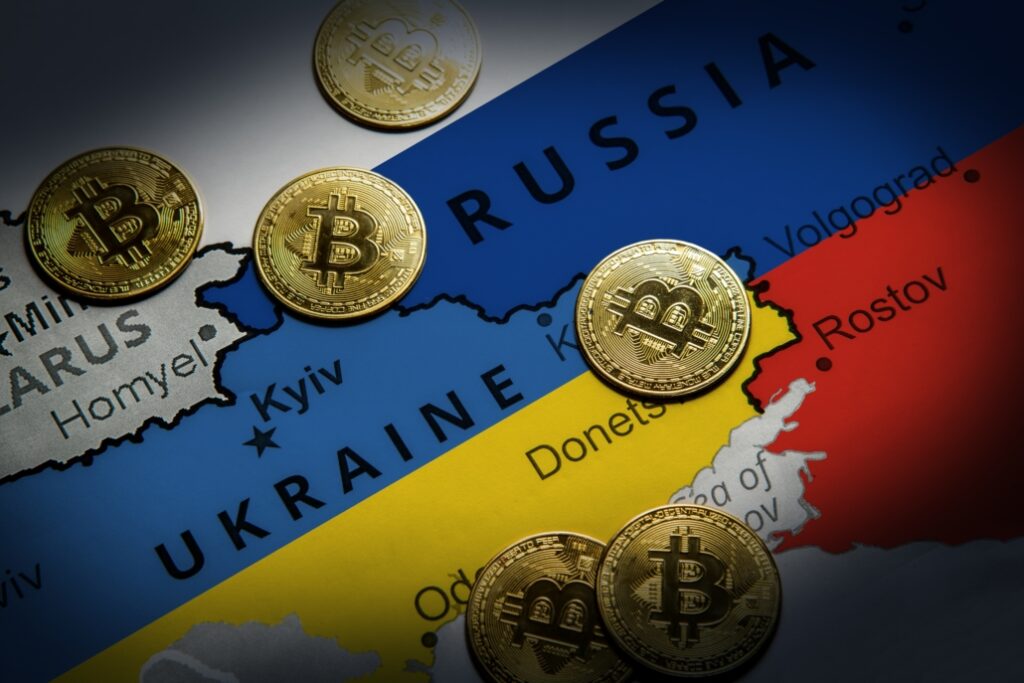
On April 18, 2026, I report on a significant tightening of Russia’s stance toward digital assets, as the government formally approved a new criminal code article targeting large scale unauthorized cryptocurrency circulation. The move introduces prison sentences of up to seven years for individuals and groups operating outside state approved crypto frameworks, marking one of the most severe regulatory shifts in the country’s evolving digital finance policy.
The decision reflects Moscow’s broader strategy to bring all cryptocurrency activity under centralized oversight. It also signals a growing global divide between jurisdictions embracing decentralized finance and those prioritizing strict control over digital asset flows.
A New Criminal Framework for Cryptocurrency Activity
At the core of the legislation is a newly added article to Russia’s Criminal Code that defines illegal cryptocurrency circulation as a punishable offense when conducted without registration or licensing from the central bank. Authorities have framed the law as a tool to regulate “large scale” violations and prevent unmonitored financial activity.
Under the approved framework, individuals found operating unlicensed crypto services or facilitating unauthorized transactions may face:
- Fines reaching up to one million rubles depending on severity
- Compulsory labor in lower tier violations
- Prison sentences of up to four years for standard offenses
- Up to seven years in prison for organized groups or large scale operations
These penalties align with earlier drafts of the legislation, which emphasized “socially dangerous consequences” such as significant financial damage or large scale illicit income generation based on reporting from Russian legislative sources.
From Regulatory Gray Zone to Criminal Enforcement
Russia’s approach to cryptocurrency has long been characterized by shifting boundaries. For years, digital assets existed in a legal gray zone, neither fully banned nor fully regulated. That ambiguity is now narrowing.
In recent years, the government has introduced registration requirements for miners and certain crypto operators, signaling a gradual move toward state controlled oversight. The latest criminal code amendment represents a decisive escalation, turning unregistered activity into a criminal matter rather than a regulatory violation.
Authorities argue that this structure is necessary to prevent tax evasion, financial crime, and untraceable capital flows. Critics, however, warn that the broad definitions in the law could expose even small scale operators and informal exchangers to severe legal risk.
What Activities Are Now Under Scrutiny
The legislation targets a wide range of crypto related services. These include exchanges, intermediary platforms, and infrastructure providers that facilitate digital asset transfers without official approval.
Legal experts note that the scope of the law extends beyond traditional trading platforms. Any activity involving organization of cryptocurrency circulation without licensing may fall under its provisions, including peer to peer exchange facilitation and informal brokerage services.
According to analysis of the draft framework, even relatively modest financial operations could meet thresholds for prosecution if classified as generating “large scale income” according to legal commentary on enforcement risks.
Severe Penalties for Organized Crypto Networks
One of the most consequential aspects of the law is its treatment of organized groups. If authorities determine that individuals are acting collectively to operate unlicensed crypto services, penalties escalate significantly.
In such cases, prison sentences can reach up to seven years, accompanied by substantial fines and potential forced labor. The definition of an organized group is broad enough that even small teams operating exchange services could be affected.
This approach reflects a wider enforcement philosophy focused on dismantling what Russian authorities describe as “uncontrolled digital financial networks.”
Economic and Policy Motivations Behind the Crackdown
The government’s decision is not occurring in isolation. It is part of a broader effort to integrate digital currencies into a regulated financial system while maintaining strict oversight of capital flows.
Officials have repeatedly emphasized the importance of licensing and central bank registration as prerequisites for any legitimate crypto activity. By channeling transactions through approved intermediaries, the state aims to improve traceability and taxation.
At the same time, Russia is navigating complex economic conditions shaped by sanctions, currency pressures, and evolving cross border trade dynamics. Cryptocurrency, often used for alternative financial routing, has become a focal point of regulatory concern.
Impact on Crypto Businesses and Users
For crypto businesses operating in Russia, the implications are immediate and far reaching. Unregistered exchanges, wallet providers, and informal trading networks may face legal exposure unless they transition into the licensed framework.
Industry analysts suggest that the law could accelerate consolidation in the Russian crypto market, favoring larger entities capable of meeting compliance requirements while pushing smaller operators out of the formal economy.
For ordinary users, the impact may be more nuanced. While the law primarily targets organized activity and service providers, increased enforcement could indirectly affect peer to peer trading and informal transactions.
Global Context and Regulatory Trends
Russia is not alone in tightening oversight of digital assets, though its approach is notably more punitive than many Western jurisdictions. Globally, governments are grappling with how to balance innovation, consumer protection, and financial stability in the crypto sector.
In contrast to permissive regulatory environments that emphasize licensing and disclosure, Russia’s model leans heavily toward criminal enforcement for non compliance. This divergence highlights the fragmented nature of global crypto regulation.
International organizations such as the Financial Action Task Force have long advocated for stronger oversight of virtual asset service providers, particularly in relation to anti money laundering controls as outlined in global AML guidance frameworks.
Legal Debate and Institutional Concerns
The new law has already sparked debate within legal and institutional circles. Some experts argue that the thresholds for “large scale” activity may be too low, potentially criminalizing routine commercial behavior in the crypto sector.
Others point to the complexity of enforcement, noting that distinguishing between individual users and service operators in decentralized systems can be challenging.
There are also questions about proportionality. Critics suggest that criminal penalties may be excessive for financial regulatory breaches that could be addressed through administrative fines or licensing enforcement.
A Turning Point for Russia’s Digital Economy
As I reflect on this development, it is clear that Russia is entering a new phase in its relationship with cryptocurrency. What was once a loosely regulated space is now being absorbed into a tightly controlled legal framework with serious criminal consequences for non compliance.
This shift will likely reshape how digital assets are used, traded, and perceived within the country. It may also influence cross border crypto flows, particularly as users and businesses reassess legal risks in different jurisdictions.
The broader question now is not whether cryptocurrency will remain part of Russia’s financial landscape, but how strictly it will be governed and who will be able to participate under the new rules.
In that sense, this law is more than a regulatory update. It is a statement about control, sovereignty, and the future structure of digital finance in one of the world’s most closely watched crypto markets.