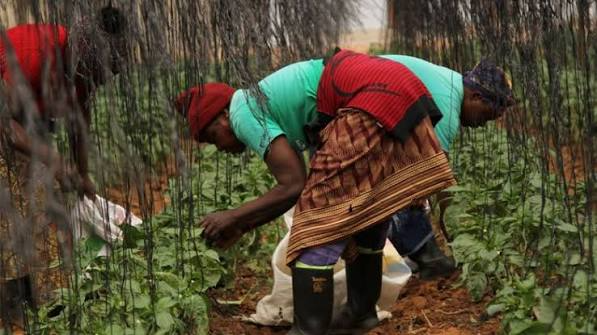
On July 5, 2026 international agricultural bodies finalized an expansion program to distribute newly vetted, drought-resistant grain variants to vulnerable farming sectors across the Global South to counteract changing seasonal weather patterns. The initiative arrives as prolonged dry spells, erratic rainfall, and higher temperatures threaten crop yields in regions that already face food insecurity. The effort is not a single seed drop but a coordinated supply push that includes seed multiplication, training, and financing to help smallholder farmers adapt quickly and at scale.
Why this expansion matters now
Climate variability has shortened planting windows and raised the risk of crop failure in many rainfed systems. Families that depend on a single harvest face tighter budgets and higher prices when yields fall. The new program aims to blunt that risk by making drought-tolerant grain varieties available in large enough volumes to meet demand during the next planting season. It also seeks to stabilize local markets by reducing the likelihood of sudden supply shocks that can drive up food prices and strain household finances.
What the program includes
The plan covers more than seed distribution. It funds seed multiplication hubs close to target regions so that certified varieties can be produced and delivered quickly. It supports extension services that train agronomists and lead farmers on best practices for planting, water management, and soil health. It provides financing mechanisms such as input vouchers and credit lines to help farmers afford improved seeds and complementary inputs. The goal is to build a resilient pipeline from breeding stations to field trials to commercial release so that farmers can access varieties that match local conditions.
Key components of the rollout
- Seed multiplication hubs positioned near high need regions to shorten delivery times.
- Training for agronomists and lead farmers on drought management and soil conservation.
- Input financing and vouchers to reduce upfront costs for smallholder farmers.
- Monitoring systems to track adoption, yield performance, and seed quality.
How the seeds are vetted
Varieties included in the program undergo multi location trials that test performance under different soil types, rainfall patterns, and temperature ranges. Breeding teams select for traits such as early maturity, deep root systems, and stable yields under water stress. After field validation the seeds pass through national regulatory systems for quality control and release. The process balances speed with rigor so that farmers receive varieties that are both climate resilient and safe to grow.
Human impact in farming communities
I spoke with a farmer in a semi arid region who described the anxiety of watching seedlings fail after a delayed monsoon. The promise of drought tolerant grain is practical. It means a better chance that a season will produce enough food to feed a family and generate some income. Extension workers described the relief they see when a variety performs under stress and the confidence that grows when farmers can plan around a known set of traits. For communities that have faced repeated crop losses the program offers a tangible path to stability.
Supply chains and logistics
Getting seeds to remote fields requires strong logistics. Seed companies and cooperatives must manage cold storage, quality testing, and last mile delivery to ensure viability. The program supports regional warehouses and mobile distribution points that can reach villages during planting windows. It also includes quality assurance protocols to prevent counterfeit or degraded seed from entering the market. Reliable supply chains are essential because a delayed delivery can mean a missed season and lost income for a farmer.
Financing and affordability
Affordability is a critical factor for smallholder adoption. The program includes input vouchers and credit lines to help farmers purchase improved seeds and complementary inputs such as fertilizer and soil amendments. Some partners are exploring insurance products that cover yield shortfalls and provide payouts when weather triggers occur. The combination of financing and risk mitigation aims to lower barriers to adoption and to encourage farmers to invest in resilience without jeopardizing household budgets.
Training and extension support
Seeds alone are not enough. Farmers need support to manage water, soil, and pests under new conditions. Extension services train agronomists and lead farmers who then share knowledge within their communities. Training covers planting dates, spacing, and water conservation techniques such as mulching and contouring. It also includes soil health practices that improve water retention and nutrient availability. The program seeks to build local capacity so that knowledge persists beyond the initial rollout.
Monitoring and accountability
Tracking adoption and performance is essential to ensure that the program delivers results. Monitoring systems collect data on seed distribution, planting rates, and yield outcomes. They also track seed quality and farmer feedback to identify issues early. Transparent reporting helps donors and governments assess impact and adjust funding. It also builds trust among farmers who can see that the program is accountable and responsive to their needs.
Challenges and risks
Scaling up climate resilient crops faces several hurdles. Seed systems in some regions are fragmented and lack capacity to multiply and distribute at scale. Farmers may be hesitant to adopt new varieties without proof of performance or may face cultural preferences for traditional crops. Financing gaps can slow adoption if credit is unavailable or too expensive. Finally, climate change continues to evolve and may outpace current breeding efforts if temperatures rise faster than expected.
What governments and donors can do
Public support is essential for long term success. Governments can streamline seed regulations to allow faster release of vetted varieties while maintaining quality standards. Donors can fund seed multiplication hubs and extension services to reach remote areas. Policymakers can support research breeding programs that focus on local needs and climate risks. The combination of public investment and private sector participation can create a sustainable pipeline of resilient crops that reach farmers when they need them most.
For readers who want deeper context on global food security and climate adaptation the Food and Agriculture Organization and the World Food Programme provide detailed reports on crop resilience and supply chain risk FAO and WFP.
Outlook
The July 5, 2026 decision to scale up climate resilient grain supply marks a practical step toward stabilizing food systems under climate stress. The program addresses more than seed availability. It builds training, financing, and logistics that together determine whether farmers can adopt and benefit from new varieties. I left interviews with a sense of cautious optimism. The work ahead will be demanding. The promise is clear. A coordinated effort to deliver drought tolerant crops at scale can help communities grow food under changing conditions and reduce the risk of hunger when weather turns harsh.