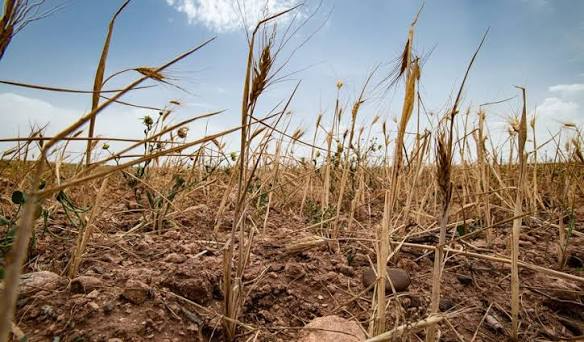
On July 12 2026 farmers and grain handlers across major growing regions reported mounting pressure from intense heat waves and shifting summer weather that are forcing urgent changes to storage and disease control. The result is a global recalibration of how crops are protected after harvest and how pathogens are managed in the field. For families who depend on affordable staples and for workers who keep silos and ports moving the stakes are immediate and personal.
How extreme heat is reshaping storage and logistics
Record temperatures have pushed grain moisture and temperature thresholds beyond safe limits in many warehouses and silos. Hot air holds more moisture and can accelerate spoilage when ventilation is inadequate. Operators are responding by running fans overnight, adding temporary shading, and in some cases moving grain to cooler facilities or railcars for short term holding. The sensory reality on the ground is stark. Metal bins radiate heat that can be felt from several feet away and the air inside storage sheds carries a sharp, fermented tang that signals early spoilage.
Logistics chains are also feeling the strain. Trucks face curfews during peak heat to protect drivers and equipment. Rail schedules are adjusted to avoid track buckling risks. Ports are prioritizing faster turnarounds to reduce the time vulnerable cargoes sit in the sun. These operational changes add cost and complexity but they are necessary to prevent losses that would ripple through the supply chain and into consumer prices.
Crop disease tactics under a hotter sky
Heat stress weakens plant defenses and alters the life cycles of fungi and bacteria that attack crops. Farmers are reporting earlier onset of blight and faster spread in fields that would have been safe a decade ago. The response is a shift toward integrated pest management that combines resistant varieties, timely fungicide applications, and cultural practices that reduce humidity in the canopy.
Extension services are issuing revised spray calendars that account for higher nighttime temperatures and altered dew points. They are also training scouts to look for subtle signs of infection that appear under heat stress, such as leaf curling and premature shedding. The goal is to catch outbreaks before they become unmanageable and to reduce the need for emergency applications that can be costly and environmentally taxing.
Voices from the field and the human cost
On a searing morning near a major grain hub a warehouse manager described the routine of checking bins with a thermal gun and listening for the hum of fans that must run continuously. He spoke of crews working at dawn to load trucks before the heat becomes dangerous and of the constant worry that a power outage could ruin a season’s worth of work. For families in nearby towns the risk is not abstract. A single spoiled batch can mean lost income, reduced local employment, and higher prices at the market.
Growers in hotter regions shared similar concerns about disease. One farmer explained how a forecasted heatwave prompted an unscheduled fungicide pass that saved a field but ate into profit margins. The calculation is brutal. Spend now to preserve yield or risk losing the crop entirely. There is no easy answer when the weather refuses to cooperate.
Practical steps that can reduce losses now
Operators can take several immediate actions to protect grain and reduce disease risk. Increase ventilation during cooler night hours and use aeration systems to equalize temperature within bins. Install temporary shade structures over exposed storage areas and consider reflective coatings on metal surfaces to reduce heat absorption. For fields prioritize early morning scouting and adjust spray timing to avoid peak heat when efficacy drops and drift risk rises.
Invest in monitoring technology that provides real time data on grain temperature and moisture. Simple sensors linked to mobile alerts can warn managers of dangerous conditions before spoilage sets in. Train staff to recognize early signs of disease and to respond with targeted treatments rather than blanket applications. These steps require upfront investment but they pay off in reduced losses and more stable supply.
Infrastructure investments and policy levers
Long term resilience will require capital investment in modernized storage and handling facilities. Insulated silos, climate controlled warehouses, and expanded rail capacity can reduce exposure to heat and speed the movement of grain to cooler destinations. Public private partnerships can mobilize funding for these projects and ensure that smaller operators are not left behind.
Policymakers can support the transition with targeted grants for equipment upgrades, tax incentives for energy efficient cooling systems, and research funding for heat tolerant crop varieties. Regulatory frameworks can encourage best practices by tying certification and insurance premiums to documented storage and disease management protocols. For communities the payoff is a more reliable food supply and protection of rural livelihoods.
Resources and further context
For technical guidance on grain storage under extreme conditions and integrated pest management see resources from the United States Department of Agriculture and the Food and Agriculture Organization of the United Nations. These institutions provide frameworks and case studies that inform the adaptations being made on the ground.
What to watch next
Monitor weather forecasts and grain quality reports for signs of accelerating spoilage or disease outbreaks. Watch for announcements of infrastructure grants and equipment incentive programs that could help operators upgrade facilities. Track market movements in staple crops and shipping notices that reflect changes in logistics capacity. The pace of adaptation will determine whether the global food supply chain can withstand the next wave of heat without significant disruption.
Would you like a concise checklist of heat resilient storage practices for grain handlers or a short primer on integrated disease management tactics that can be deployed during extreme summer weather