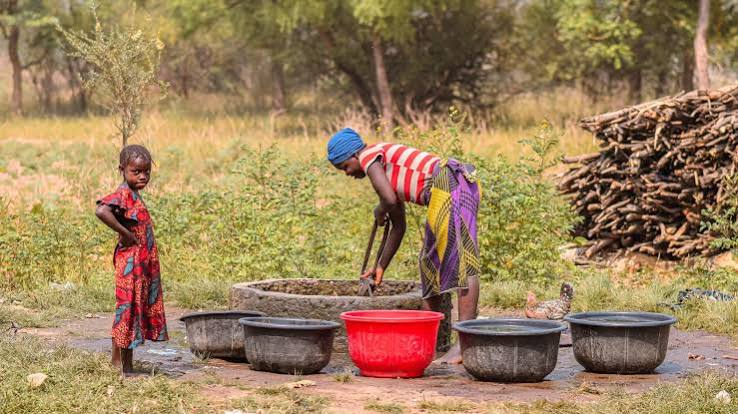
On July 12 2026 the Great American State Fair became more than a showcase of prize livestock and county craft booths. It hosted a deliberate collision of minds as agricultural educators from dozens of countries convened in the nation’s capital to rethink how food production is taught. With heatwaves scorching fields and trade disputes reshaping markets the mission was practical and urgent. The group aimed to update pedagogy and training so that farmers, students, and extension staff can navigate a world where climate volatility and tariff shocks are routine.
Why the fairgrounds made sense for a global summit
The fair’s central pavilions offered a living laboratory where theory met practice within steps. Delegates walked from climate controlled lecture tents to outdoor plots where irrigation pivots hissed and soil moisture sensors blinked. The smell of cut hay and diesel mixed with the scent of coffee from vendor carts as instructors compared lesson plans and field trial results. That proximity to real farming operations ensured that discussions remained grounded in the work that feeds families and powers rural economies.
Organizers chose the capital for its policy reach and its capacity to draw international delegations. The timing aligned with midseason field reports that show the stress of extreme heat on yields and the financial strain of disrupted export channels. For educators the question was not whether to adapt training but how to do it fast enough to matter for the next planting cycle and the next generation of growers.
Shifting pedagogy for a volatile climate
Participants agreed that static curricula built around stable weather patterns are no longer sufficient. The new approach emphasizes scenario based learning that prepares students for rapid shifts in temperature, rainfall, and pest pressure. Classes are incorporating real time data from weather stations and satellite imagery so that trainees can make decisions using the same tools they will have in the field.
Modules on soil health and water management are being expanded to cover drought resilience and flood recovery. Instructors are teaching cover crop strategies that reduce evaporation and improve infiltration. They are also introducing decision trees that help farmers choose between replanting, switching crops, or taking insurance payouts when conditions deteriorate. The goal is to build adaptive capacity so that a single bad season does not force a family off the land.
Trade wars as a classroom reality
Trade policy is no longer a sidebar in agricultural education. It is a core variable in budgeting and risk planning. Educators introduced case studies that track how tariffs and retaliatory measures move through supply chains and affect farmgate prices. Students practice hedging strategies and learn to diversify markets so that they are not dependent on a single export destination.
Extension services are developing toolkits that translate trade developments into actionable guidance for producers. These include simple calculators that estimate the impact of new duties on net returns and checklists for compliance with shifting sanitary and phytosanitary requirements. The emphasis is on clarity and speed so that farmers can adjust planting and marketing plans before contracts are signed.
Voices from the field and the human stakes
On a sultry morning a delegation from a heat stressed region walked through a demonstration plot where heat tolerant varieties were being trialed. A young farmer from the group described the sensory reality of harvest under a blazing sun where dust coats the throat and equipment runs hot to the touch. She explained that training must account for human limits as well as crop science so that workers are not pushed beyond safe thresholds during peak heat.
Teachers from coastal provinces shared stories of salt intrusion and flooding that force families to abandon fields or switch to aquaculture. Their lesson plans now include modules on elevation mapping and soil salinity testing. They also train students to negotiate with buyers who may demand different quality standards when crops are grown under stress. The human stakes are clear. When training fails to match conditions families lose income, food security weakens, and rural communities face outmigration.
Practical tools and partnerships that can scale
The summit produced a list of concrete resources that can be deployed quickly. Mobile friendly modules that combine short videos with interactive quizzes are being designed for low bandwidth areas. These will allow extension agents to deliver microlessons during field visits and to track comprehension with simple assessments. Open access datasets on soil types, climate normals, and market prices are being curated so that instructors can build local case studies without costly subscriptions.
Partnerships between universities, vocational schools, and farmer cooperatives are being formalized to share trainers and equipment. A rotating faculty model would allow specialists in irrigation, pest management, and post harvest handling to visit multiple regions during a season. This cross pollination spreads best practices and avoids duplication of effort. Funding mechanisms are being explored to support travel, equipment leasing, and translation services so that materials reach non English speaking communities.
Measuring success and building accountability
Success will be measured by outcomes that matter to growers. Metrics include time to adoption of resilient practices, reduction in input costs, and stability of yields during extreme events. Programs will track graduate placement in farm operations and the retention of young farmers in rural areas. Regular feedback loops between instructors and students will ensure that curricula evolve as conditions change.
External evaluation will be essential for credibility. Independent auditors will review program data and interview participants to assess whether training translates into better decisions. The results will be published in plain language reports that policymakers and funders can use to allocate resources. Transparency will help maintain trust and will encourage continuous improvement.
Policy levers and the role of public investment
Public investment can accelerate the shift toward adaptive training. Targeted grants for curriculum development, equipment for demonstration plots, and stipends for instructors who serve remote areas would close gaps that private funding cannot fill. Tax incentives for cooperatives that invest in training can encourage participation and scale. Loan programs that pair financing with mandatory training modules would ensure that capital reaches those who can use it effectively.
Regulatory frameworks can support training by requiring continuing education for certain agricultural licenses and by recognizing certified trainers in public procurement criteria. These measures create market demand for quality instruction and raise the baseline of competence across the sector. For communities the payoff is a more resilient food system that can withstand shocks without collapsing.
Resources and context for further learning
For those seeking deeper background on climate resilient agriculture and extension models see resources from the United States Department of Agriculture and the Food and Agriculture Organization of the United Nations. These institutions provide frameworks and case studies that inform the curricula being developed at the summit.
What to watch next
Watch for the release of pilot modules and the launch of mobile training platforms in the coming weeks. Regional rollouts will begin in areas with the highest heat stress and trade exposure. Early results will be shared through webinars and local extension offices so that feedback can be incorporated before wider adoption. The next phase will focus on scaling partnerships and securing long term funding to sustain the effort beyond the initial momentum.
Would you like a concise list of the proposed mobile training modules or a short explainer on how scenario based learning can be integrated into existing agricultural extension programs