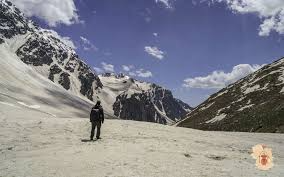
Bookings that were once motivated by sightseeing and convenience are now being made for cold-plunge rituals, cryotherapy pods, and high-altitude spiritual walks. Hospitality groups across Europe, Southeast Asia, and North America report a clear pivot in guest intent toward restorative practices that combine rigorous physical protocols with slower, contemplative itineraries. The result is a luxury travel market recentered on wellness science and pilgrimage style experiences that appeal to both recovery seekers and affluent adventurers.
What operators are seeing on the ground
Several international hotel brands and independent wellness resorts told industry analysts that a rising share of reservations this year list wellness therapies as the primary motive for travel. Requests for structured cold-plunge sessions, guided breathwork preceding low temperature immersion, and integrated thermotherapy programs that alternate heat and cold are up markedly. At the same time, bespoke trekking packages that frame mountainous routes as spiritual journeys rather than simply physical challenges are selling out on peak dates.
Operationally this shift requires new staffing profiles, medical oversight, and partnerships with local guides. Resorts now hire clinical managers and cold exposure specialists. Trekking operators recruit cultural interpreters and mental health professionals to lead reflective sessions at scenic waypoints. These hires are intended to reassure discerning guests that intensely stimulating treatments are delivered safely and with psychological support.
Why thermotherapy and cold plunges are gaining traction
Thermotherapy, the practice of using heat exposures such as saunas combined with cold immersion, now commands interest well beyond traditional spa patrons. The appeal is partly physiological and partly experiential. Practitioners point to short term benefits such as decreased inflammation, improved circulation, and acute mood elevation. More important for travel decision making is that guests describe cold plunge rituals as memorable, dramatic experiences that feed social media storytelling while feeling substantively therapeutic.
Clinicians caution that cold immersion is not universally suitable. Resorts and clinics increasingly require medical screenings, controlled session protocols, and staged acclimation plans. Those measures reduce risk and allow providers to offer curated packages that scale intensity based on fitness and medical history.
Science, commerce, and sensory design
Research into cryotherapy and contrast bath protocols has expanded, prompting wellness program designers to weave evidence based practices into guest journeys. Facilities emphasize objective metrics such as heart rate variability tracking, temperature monitoring, and guided recovery windows. Architects and interior designers are contributing by creating spaces that heighten sensation: acoustic treatments that amplify breath, sculpted stone basins, and narrow, refrigerated corridors that frame the plunge as an intentional threshold.
High altitude trekking reimagined as pilgrimage
In Vietnam, operators offering high altitude treks report an uptick in visitors seeking spiritual framing for ascent routes in the northern highlands. Those itineraries blend slow walking, guided silence periods, and rituals with local community members who interpret mountain lore. Participants describe the journeys as a counterpoint to urban acceleration, a schedule that privileges attention over accomplishment.
Trekking companies are refining logistics to support that ethos. They limit daily distances, increase overnight stays in community run lodgings, and include restorative practices such as foam rolling sessions, mobility workshops, and evening somatic practices. These methods aim to protect guests physiologically while deepening cultural exchange, and they frequently include donations or cooperative projects that support village economies.
What travelers are saying
Guests who return from these programs use language drawn from both physical restoration and inner clarity. Many speak about a recalibration of routine and a renewed sense of personal boundaries. Others emphasize the social dimension of shared discomfort and communal recovery. The narratives matter for hospitality brands because authentic testimonials drive bookings more than glossy imagery in this segment.
Risk management and ethical considerations
Rapid product development brings responsibility. Medical professionals advise robust consent procedures and clear contraindications for cold exposure and altitude programs. Brands that move quickly without appropriate clinical input risk adverse events and reputational harm. Equally important is the ethical stewardship of cultural landscapes. Trekking packages that foreground local spiritual practices must compensate hosts fairly and avoid extracting sacred knowledge purely for commercial appeal.
Standards emerging in the market
Industry groups and some resort consortia are drafting guidelines that address safety, local partnership, and environmental impact. These frameworks recommend pre trip screenings, emergency evacuation plans, limits on daily group size, and revenue sharing models for host communities. Travelers and corporate bookers are beginning to ask for these assurances when selecting providers.
How to choose a high-end wellness or trek package responsibly
Practical criteria help prospective guests separate credible programs from opportunistic offerings. Consider programs that publish medical screening requirements and clearly outline session intensity. Ask about staff qualifications, including whether cold-plunge facilitators hold clinical certifications and whether trekking guides receive first aid and cultural interpretation training. Confirm evacuation and emergency care options for remote treks. Seek providers that disclose community benefit arrangements for village stays and cultural experiences.
Economic and cultural ripple effects
Local economies receive a mixed benefit from this trend. Higher per guest spending can support artisan markets and community infrastructure but can also raise living costs for residents if not managed. Successful operators mitigate displacement by investing in local training, hiring, and revenue sharing. Cultural custodianship is fragile, and the most sustainable programs incorporate long term partnerships with scholars, elders, and municipal authorities.
Where to learn more
For evidence oriented readers, peer reviewed studies on cold exposure and contrast therapy appear in clinical journals and public health databases. Destination information and traveler advisories for high altitude travel are available from national health services and mountaineering organizations. For guidance on responsible tourism practices consult resources provided by international conservation bodies and community tourism networks such as the United Nations World Tourism Organization and Conservation Alliance partners.
For practical planning, reputable operators will link to clinicians and clearing houses for pre travel screening and medical clearance. When in doubt, request a written health and safety protocol before committing to a high intensity wellness or remote trekking package.
Final observations
The convergence of rigorous thermotherapy programming and pilgrimage style treks points to a traveler who seeks meaning through calibrated challenge. Hospitality groups that invest in clinical governance, cultural respect, and environmental stewardship will likely keep the momentum. For travelers the opportunity is to choose thoughtfully, arrive prepared, and treat intense wellness rituals as serious commitments to both body and place.
Would you like a checklist to evaluate a specific retreat or trekking provider before you book