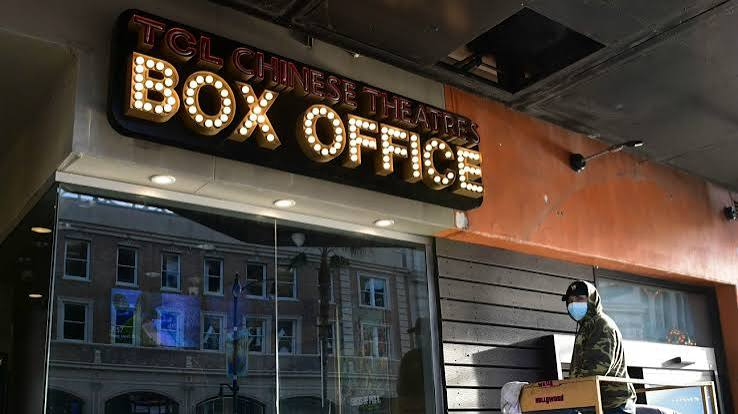
The global film industry is preparing for one of its most important theatrical periods of the year as major studios and international cinema operators finalize their holiday release strategies. On November 3, 2026, attention is increasingly turning toward a crowded lineup of major motion pictures, returning entertainment franchises, animated family adventures, and highly anticipated science fiction productions expected to attract audiences during the Thanksgiving and Christmas seasons. With several major releases scheduled across November and December, theaters are preparing for increased attendance, stronger ticket sales, and renewed competition for premium cinema screens.
The holiday season has traditionally provided an important opportunity for movie studios to generate substantial box office revenue. Families have more opportunities to visit cinemas, students receive school breaks, and audiences often look for large scale entertainment to enjoy with friends and relatives. This year’s release calendar offers several major attractions, including Avengers: Doomsday, Dune: Part Three, and The Hunger Games: Sunrise on the Reaping. Their arrival could make the final weeks of 2026 particularly significant for exhibitors and distributors worldwide.
Major Studios Prepare for an Intensely Competitive Holiday Season
Hollywood studios typically spend months coordinating their theatrical release schedules, marketing campaigns, distribution agreements, and promotional partnerships. Holiday releases require especially careful planning because several major productions often compete for audience attention during the same limited period.
For November and December 2026, the release calendar features a mixture of established entertainment franchises and original productions. Rather than depending entirely on one blockbuster, studios are positioning films across different genres to attract a wider range of moviegoers.
Superhero adventures appeal to audiences interested in large scale action and interconnected fictional universes. Science fiction productions attract viewers seeking visually ambitious storytelling, while animated films and family comedies provide entertainment for younger audiences and households planning group outings.
This variety is important for theater operators. A balanced release calendar gives cinemas opportunities to attract different customer groups throughout the season instead of depending on a single opening weekend. It also allows exhibitors to schedule premium auditorium experiences, family screenings, and special promotional events around audience demand.
December 2026 Could Deliver Two Major Franchise Events
December is expected to become the central battleground for several of the industry’s most recognizable entertainment properties. Two particularly significant releases are scheduled for December 18, creating a major competitive moment for theaters and movie distributors.
Avengers: Doomsday Brings Marvel Audiences Back to Cinemas
Avengers: Doomsday is among the most closely watched theatrical releases of the holiday season. The Marvel Studios production is expected to attract audiences familiar with the interconnected superhero franchise, while its large scale storytelling offers the kind of theatrical spectacle that can encourage premium format ticket purchases.
Marvel films have historically benefited from established fan communities, extensive promotional campaigns, and audience interest in major developments within their fictional universe. These factors could help the film generate strong opening interest, although its eventual commercial performance will depend on audience reception, reviews, repeat attendance, and competition from other releases.
For cinema operators, a major superhero release can provide opportunities to schedule additional screenings, organize fan events, and offer premium auditorium experiences. However, actual screen allocations will depend on local demand and distribution arrangements.
Dune: Part Three Targets Science Fiction Audiences
Dune: Part Three is another major December 18 release attracting attention from international moviegoers. Continuing the cinematic adaptation of Frank Herbert’s influential science fiction universe, the production is positioned to appeal to audiences who appreciate large scale world building, complex characters, and visually ambitious filmmaking.
The previous films established a strong theatrical identity through expansive desert environments, detailed production design, atmospheric sound, and large format presentation. These qualities make the next installment particularly relevant for premium cinema experiences such as IMAX.
Its release alongside Avengers: Doomsday creates an interesting box office comparison. Both productions target audiences interested in major cinematic experiences, but their storytelling styles and established fan communities are different. Rather than necessarily competing for exactly the same viewers, they could encourage moviegoers to attend multiple screenings during the holiday period.
November Releases Build Momentum Before Christmas
Although December contains several major theatrical events, November is expected to establish the momentum for the broader holiday box office season. The month features franchise entertainment, animated productions, and family oriented releases positioned around Thanksgiving.
The Hunger Games: Sunrise on the Reaping
The Hunger Games: Sunrise on the Reaping is scheduled for November 20, 2026. The new installment returns audiences to the established dystopian universe and provides another opportunity for the franchise to attract both longtime followers and younger moviegoers discovering the series.
Established franchises have an advantage because audiences already understand their fictional worlds and characters. However, returning productions must still offer compelling storytelling to maintain interest. The film’s box office performance will therefore depend on how successfully it connects its new narrative with the expectations of existing fans.
Disney’s Hexed Targets Family Audiences
Walt Disney Animation Studios is preparing to release Hexed on November 25, positioning the animated adventure around the Thanksgiving holiday period in the United States.
Family entertainment plays an important role in seasonal cinema attendance. Parents often look for films suitable for children, while school holidays create additional opportunities for daytime screenings. An animated release can also generate interest through merchandise, promotional partnerships, and repeat family visits.
Disney’s holiday strategy reflects the value of offering different entertainment experiences throughout the year rather than concentrating exclusively on superhero or science fiction productions.
International Cinemas Coordinate Release Strategies Across Markets
Global distribution requires more than selecting a single release date. Studios and cinema operators must consider local holidays, cultural preferences, language requirements, censorship regulations, marketing schedules, and competition from regional productions.
Although major Hollywood releases frequently aim for closely coordinated international launches, individual territories do not always receive films on exactly the same day. Some markets arrange earlier premieres, while others schedule releases according to local distribution agreements or national cinema calendars.
The United Kingdom, Europe, Asia, the Middle East, and other major entertainment markets each have distinct theatrical distribution requirements. Local exhibitors must balance international blockbuster demand with domestic productions that may be particularly important to regional audiences.
Screen Daily’s international cinema release coverage provides an overview of how theatrical calendars differ across territories. Its release listings demonstrate why global distribution planning requires ongoing coordination between studios, distributors, and local exhibition companies.
For international audiences, synchronized promotional campaigns can help generate worldwide awareness. Social media advertising, interviews, theatrical trailers, and advance ticket sales allow studios to build anticipation before films reach local cinemas.
Why Cinema Operators Are Preparing for Higher Holiday Attendance
Movie theaters depend on more than the popularity of individual productions. Their financial performance also reflects ticket pricing, auditorium utilization, concession sales, operating expenses, and the number of visitors returning throughout the season.
A successful holiday release calendar can provide exhibitors with several opportunities to improve revenue. Large productions may encourage customers to purchase premium seats, while family films can increase attendance during daytime hours. Special screenings and fan events can also create additional reasons for audiences to visit theaters.
Operators are therefore reviewing several practical considerations as the major releases approach.
- Screen allocation: Cinemas must balance demand for major releases with opportunities for smaller productions.
- Premium formats: IMAX and other advanced presentation formats can attract customers seeking a more immersive experience.
- Ticket availability: Advance booking systems help operators anticipate demand and organize additional screenings where necessary.
- Customer experience: Comfortable seating, efficient service, and convenient showtimes can encourage repeat visits.
- Promotional activities: Family packages, loyalty programs, and special events can support attendance during busy weekends.
These preparations are particularly relevant during the weeks surrounding Thanksgiving, Christmas, and New Year celebrations, when many consumers have additional leisure time.
Streaming Competition Continues to Influence Theatrical Distribution
Despite the anticipated strength of the holiday cinema calendar, theatrical operators continue to face competition from streaming platforms. Consumers now have access to a wide selection of entertainment at home, creating greater pressure on studios to demonstrate why particular productions deserve a cinema visit.
Large format visuals, immersive sound, audience reactions, and the excitement of watching highly anticipated releases with other moviegoers remain important advantages of theatrical entertainment. For major franchise productions, opening weekend screenings can also become shared cultural events.
Studios must nevertheless balance theatrical revenue with their wider distribution strategies. Release windows, international licensing agreements, and eventual streaming availability can influence how audiences approach ticket purchases.
The holiday season offers an opportunity to demonstrate that theatrical releases remain commercially relevant, particularly when productions provide experiences that are difficult to reproduce on ordinary home entertainment systems.
What Could Determine the Success of the 2026 Holiday Box Office?
Although the upcoming release calendar contains several recognizable titles, a crowded schedule does not automatically guarantee record breaking revenue. The commercial performance of each production will depend on multiple factors, including production budgets, marketing effectiveness, audience satisfaction, competition, and international distribution.
Opening weekend results will provide an early indication of audience interest, but longer theatrical runs may ultimately determine which films become the season’s strongest performers. Positive audience recommendations can encourage additional ticket purchases, while disappointing reactions can reduce attendance after an initial surge.
Economic conditions will also influence consumer decisions. Families managing higher living expenses may become more selective about entertainment spending, making affordable ticket options and attractive cinema experiences particularly important.
For studios, the challenge will be to convert public awareness into actual theater attendance. For exhibitors, success will depend on maintaining a suitable balance between blockbuster screenings, smaller releases, and customer service.
Hollywood’s Holiday Season Could Shape the Cinema Industry’s 2027 Outlook
The final months of 2026 represent an important opportunity for the global theatrical industry to build momentum heading into the following year. A strong holiday performance could encourage further investment in major productions, premium cinema facilities, international distribution, and audience focused theatrical experiences.
Disney’s official 2026 theatrical release announcements provide a closer look at the studio’s upcoming entertainment plans, including its November and December productions. These announcements illustrate the range of titles competing for audience attention during the final stretch of the year.
For moviegoers, the upcoming season offers plenty of reasons to return to cinemas, whether they prefer superhero adventures, science fiction, animated entertainment, or familiar franchise stories. For theater operators and studios, it represents a demanding period in which careful scheduling and strong audience engagement could make a meaningful difference.
As November begins, expectations are building around the major theatrical releases still to come. Whether the season ultimately produces record breaking attendance or more selective audience spending remains uncertain. What is clear is that the global film industry is entering a highly competitive holiday period, with major studios and international cinemas preparing to make the most of one of the year’s most valuable entertainment windows.