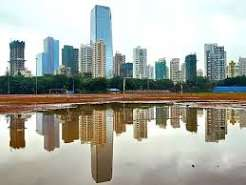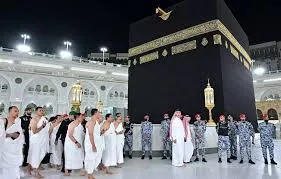
We join workers under the relentless Mecca sun on May 1, 2026, bulldozers rumbling across desert sands as Indonesia launches land clearance for its dedicated Hajj Village, a sanctuary set to shelter 200,000 pilgrims annually. Dust swirls around hard hats and prayer rugs, the call to prayer echoing faintly, this project weaving deep faith with modern comfort for the world’s largest Muslim nation. Families back home in Jakarta dream of smoother pilgrimages, hearts swelling with pride and anticipation.
The Vision Behind Hajj Village
Nestled near Mina, the village spans 500 hectares, featuring dormitories, clinics, mosques, and markets tailored for Indonesian pilgrims. Indonesia, sending over 200,000 hajjis yearly, faces quotas and logistics strains. This self contained hub promises streamlined services, from halal kitchens to multilingual guides, easing the sacred journey’s burdens.
Saudi Arabia greenlit the project last year, part of Vision 2030 diversifying holy sites. Indonesian officials hail it as sovereignty in worship, reducing reliance on crowded tents amid scorching 45 degree Celsius heat.
Key Facilities Planned
- 50,000 bed capacity with air conditioned rooms.
- Medical centers equipped for elderly care.
- Shopping arcades stocked with Indonesian staples.
- Transport hubs linking to Arafat and Muzdalifah.
Land Clearance Ceremony Details
Religious Affairs Minister Yaqut Cholil Qoumas presided, shovel in hand beside Saudi counterparts. Prayers preceded machinery, workers chanting blessings as earth turned. Phase one clears 100 hectares, targeting foundational work by Ramadan 2027.
Engineers marvel at terrain challenges: rocky soil yielding to precision grading. Local Bedouins share water, bonds forming over shared iftars. We sense the reverence, every scoop honoring millions’ footsteps.
Indonesia Saudi Partnership Deepens
The $2 billion venture funds via pilgrim levies and loans, Indonesian firms handling construction. Riyadh provides land gratis, fostering ties. Past collaborations include quota boosts; this cements long term alliance.
Experts at Pew Research note Indonesia’s 230 million Muslims drive demand. Bilateral trade surges, faith fueling commerce.
Construction Timeline and Milestones
2026: Site prep and infrastructure. 2028: Core buildings operational for trial hajj. 2030: Full capacity, serving 202,000 pilgrims.
Benefits for Pilgrims and Families
Elderly like Jakarta’s Ibu Fatimah envision relief. “No more tent swelter, closer to ihram,” she says, eyes misty recalling past strains. Youth gain orientation centers, apps guiding rituals. Families save on logistics, funds for umrah visits.
Health upgrades shine: vaccination hubs, telemedicine linking Jakarta doctors. Mortality rates, historically 0.5 percent, aim to halve.
Challenges in Desert Development
Water scarcity demands desalination plants. Labor camps house 5,000 workers, welfare prioritized. Environmental nods include solar arrays, zero waste goals. Cultural sensitivities guide: Qibla aligned structures, no alcohol zones.
Monsoon risks prompt robust drainage. We empathize with toilers, iced zamzam quenching thirst under stars.
Personal Stories Fueling the Dream
Engineer Budi Santoso left family for Mecca, “Building for my parents’ hajj,” pride in calloused hands. Past pilgrim Ahmad, widowbound, inspires: “Village means my daughters go safely.” These narratives pulse with devotion, project as collective prayer.
Economic Boosts Projected
10,000 jobs created, remittances flowing home. Tourism spin offs: halal hotels, Indonesian eateries. GDP lift of 0.2 percent via supply chains.
Global Context of Hajj Infrastructure
Saudi modernizes: high speed rail, drone surveillance. Indonesia joins Malaysia, Turkey in dedicated zones, easing 2 million annual influx. Post COVID hygiene lingers priority.
Critics eye costs, but supporters cite spiritual ROI. Quotas stabilize at 2 million, facilities matching demand. Al Jazeera Hajj coverage highlights evolutions.
Sustainability and Innovation Features
Solar powers 80 percent, wastewater recycles for landscaping. Smart grids optimize cooling, date palms shading paths. Indonesian motifs adorn: batik patterns in tiles, gamelan echoes in lobbies.
Preparation Tips for Future Pilgrims
Train fitness early. Learn apps for village navigation. Save via official quotas. Families, plan group stays. These steps smooth the path to fardh.
Spiritual and Cultural Significance
Hajj Village embodies ummah unity, Indonesians claiming space in Islam’s heartland. Rituals flow seamless: tawaf shuttles, sa’i tracks nearby. Devotees sense barakah in every brick.
Looking to Hajj 2030 and Beyond
As sands settle, Hajj Village rises, beacon for generations. We celebrate this labor of love, pilgrims’ oases amid trials. Faithful, share aspirations; the ummah grows stronger.