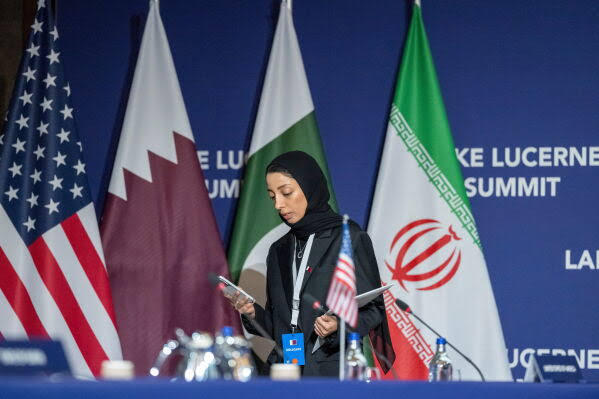
On July 11 and 12 2026 Iranian Foreign Minister Abbas Araghchi arrived in Muscat to launch high level diplomatic and legal talks aimed at stopping foreign artillery and airstrikes in the region. The move marked a sharp pivot from public posturing to a plea for mediated intervention and formalized deconfliction. For families in border communities and for workers in ports that have faced shutdowns the demand for a legal pause was not abstract but a bid to end nights punctuated by distant booms and mornings filled with dust.
The Oman initiative and its stated goals
Oman has long served as a discreet channel for regional dialogue and Araghchi’s visit was designed to activate that role. Tehran asked for an internationally mediated framework that would produce a binding or at least verifiable halt to cross border strikes conducted by foreign militaries. The core demand centers on deconfliction mechanisms that include shared situational awareness, communication hotlines, and independent monitoring of incidents near sensitive sites and population centers.
Iranian officials said the request for mediation is backed by a legal argument that the disputed strikes violate international principles governing the use of force and civilian protection. They are seeking a formal process that would allow third parties to investigate incidents and to impose consequences for violations. The emphasis on a legal pathway is an attempt to shift the debate from public accusations to a structured forum where evidence can be reviewed and remedies can be negotiated.
Diplomatic channels convened in Muscat
Meetings in Muscat included regional envoys and at least one retired jurist who has served on international commissions. The discussions were described as preliminary but urgent. Participants focused on technical details such as agreed geographic coordinates for restricted fire zones and procedures for emergency notifications when aircraft or artillery are deployed near contested borders. The presence of a respected neutral capital was cited as essential to bring all sides to the table without domestic political fallout.
Why mediation matters for civilians and commerce
For residents in towns near contested corridors the difference between a mediated pause and sporadic escalation is measured in sleep and safety. Families spoke of children who startle at every thunderclap and merchants who lock shutters early as dusk falls. Port operators reported lost shifts and increased insurance premiums when strike risk rises. A formalized pause would allow shipping schedules to normalize and would reduce the cost of essential goods that depend on timely maritime movement.
Humanitarian organizations have flagged the risk of civilian harm when strikes occur in areas with hospitals and schools. Mediation that includes independent incident review can help distinguish between military targets and civilian infrastructure. It also creates space for coordinated aid delivery and for emergency services to operate without fear of being caught in crossfire.
Legal arguments and what a halt could look like
Iranian legal teams are preparing a dossier that catalogs specific incidents including dates, locations, and collateral damage. They hope to show a pattern of activity that they argue crosses the threshold for unlawful use of force. The dossier is not merely rhetorical but a foundation for asking a multilateral body to set up a fact finding group and to issue procedural guidance that would constrain future deployments.
Mediators discussed a phased approach. An immediate cease strike understanding would be followed by technical talks on verification and by confidence building measures such as the exchange of non sensitive flight data. A longer term framework would likely include mutual restraint zones and agreed inspection protocols for areas near key infrastructure. The end goal is a durable understanding that can be renewed and adjusted as conditions change.
Challenges to building a credible process
Trust is the central obstacle. Past agreements have collapsed when one side claimed violations without independent verification. Mediators stressed that any workable arrangement must include impartial monitoring and a clear dispute resolution path. That requires political will and the ability to withstand domestic pressure when an incident occurs and tempers rise. The risk is that a single event can unravel months of patient work if the reporting and response mechanisms are not ready.
Regional and global implications
A successful mediation in Muscat would have ripple effects for energy markets and regional security. The Strait of Hormuz and nearby shipping lanes are lifelines for global oil and gas flows and any reduction in strike risk is closely watched by traders. Insurance underwriters said that a formal deconfliction regime would allow them to lower premiums and to restore routine coverage for vessels that had been flagged as high risk.
Beyond the Gulf the precedent of using legal and technical channels to manage conflict is significant. It signals that states can return to procedural tools even when public rhetoric is sharp. For allied capitals the priority is to avoid escalation that could draw in broader coalitions and to keep diplomatic options open. For regional governments a stable outcome means more predictable trade flows and the ability to focus on economic recovery and infrastructure investment.
Voices from the ground and what residents want
Residents in communities affected by the strikes described a daily calculus of risk. Parents plan routes that avoid known hotspots and shopkeepers time deliveries to windows of lower activity. The common thread in their accounts is a desire for predictability rather than a victory narrative. They want known rules, a way to report incidents without fear, and a channel to receive warnings when military activity is planned nearby.
Local leaders urged mediators to include civilian protection clauses in any agreement. They asked for community liaison officers who can coordinate with military planners to reduce civilian exposure. They also requested compensation mechanisms for those who suffer losses and for expedited medical evacuations when accidents occur. The message was clear that any process that ignores the human toll will lack legitimacy at the street level.
What to watch next
Monitor whether a preliminary cease strike understanding is issued from Muscat and whether technical working groups are established to design verification protocols. Watch for official statements from regional capitals and international bodies that indicate participation or support for a fact finding mission. Shipping advisories and insurance notices will provide early signals of market confidence. Finally observe whether local authorities implement deconfliction measures such as updated air raid warnings and designated safe corridors.
Resources and context
For background on international legal frameworks that govern the use of force and civilian protection see resources from the United Nations Office of Legal Affairs and the International Committee of the Red Cross. These institutions outline the principles that underpin mediation efforts and the obligations of parties during armed conflict.
Paths forward for deescalation
Practical steps can move the process from words to measurable change. Agree on a short list of restricted zones and publish the coordinates so all parties can avoid them. Establish a 24 hour hotline for emergency notifications and a joint incident review board that can issue rapid findings. Pair these with confidence building measures such as joint drills for humanitarian corridors and agreed limits on night time operations near population centers.
For policymakers the priority is to keep the legal and technical architecture resilient. That means investing in monitoring capacity, training liaison officers, and ensuring that civilian voices are heard in the design of safety protocols. For the public the test is whether the promise of a legal pause translates into fewer nights spent counting the seconds between booms and into a measurable reduction in the damage that strikes bring.
Would you like a concise timeline of the Muscat talks and proposed deconfliction steps or a short explainer on how international mediation mechanisms typically structure cease strike and verification clauses