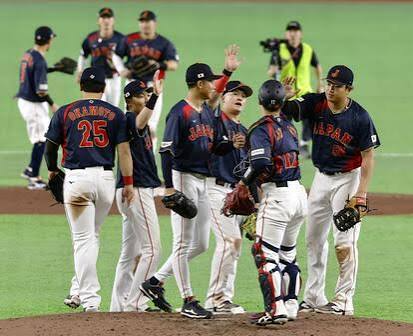
On July 11 and July 12 2026 the World Collegiate Baseball Championship in Taiwan delivered one of those matchups that feels larger than the sport itself. Japan faced Korea in a fiercely contested game that drew a packed stadium and a global television audience. The scoreline matters but so does the story. Two nations with deep baseball traditions sent their best young players to a neutral field and watched them turn a single night into a contest that will be remembered for years.
A stage built for rivalry and respect
The venue in Taiwan was dressed for a marquee event. Team jerseys hung in the dugouts. Broadcast cameras lined the outfield. Fans waved flags in sections that spilled into the concourse before the first pitch. The atmosphere was electric yet orderly. Cheers rose in waves when a runner took second base. Silence fell when the pitcher stepped onto the rubber in a tight spot. That mix of tension and anticipation is what makes international baseball feel different from a regular season college game.
For many watching at home the game was a reunion with a familiar rivalry. Japan and Korea have traded victories in Olympic tournaments and professional exhibitions. The collegiate level adds a human layer. These players are not yet household names. They are students who trained in university gyms and small ballparks. Their stakes are belief in a system and a chance to be seen on a world stage.
How the game unfolded
The first inning set the tone. Both starting pitchers located fastballs on the edges and threw sliders that broke just enough to miss bats. Runners reached base on infield singles and aggressive baserunning. A sacrifice bunt moved a runner into scoring position. The defense answered with a diving stop at short and a relay home to cut down the lead runner. The early frames felt like a chess match where every pitch carried weight.
Middle innings brought the first real separation. Korea pushed across a run on a well placed fly ball that found the gap in right center. Japan answered in the next half inning with a two out rally that featured a hard hit double down the left field line and a sacrifice fly that tied the game. The dugouts stirred. Coaches stepped to the rail. The crowd sensed that momentum could swing either way.
Late inning drama arrived as both managers turned to their bullpens. Relievers threw high velocity fastballs and sharp breaking pitches to escape jams. A stolen base put a runner in scoring position. A pickoff attempt kept him close. The final out came on a ground ball to third that was fielded clean and thrown across the diamond for the final putout. The celebration was immediate but measured. These players know there is more tournament ahead.
Why this matchup matters beyond the score
Games like this do more than decide a standings point. They validate development pipelines. Japanese university programs emphasize precision pitching and disciplined at bats. Korean collegiate teams stress aggressive baserunning and situational hitting. Seeing both philosophies play out on the same field offers a live case study for scouts and coaches. It shows which skills translate when the stakes rise and the lights are bright.
For fans the rivalry carries cultural weight. Baseball is a shared language in both countries. Parents take children to local games. Neighborhood fields host weekend tournaments. The national team becomes a point of pride. A win feels like affirmation of a system. A loss becomes fuel for the next cycle. That emotional undercurrent is why the broadcast reached audiences far beyond Taiwan.
What we learned about the players
Several standouts emerged from the contest. The Japanese starter showed command of three pitches and the poise to work out of a bases loaded jam in the third inning. His ability to change speeds and keep the ball down in the zone is the kind of skill that scouts note for professional drafts. The Korean cleanup hitter delivered a clutch hit with two outs and a runner in scoring position. That swing demonstrated the confidence that comes from facing top pitching in domestic leagues.
Defensive plays also told a story. A diving catch in shallow right robbed a potential extra base hit. A quick release from the catcher threw out a runner trying to steal second. These moments do not always show up in box scores but they change the math of a game. They force opposing managers to rethink aggressive baserunning and bunt calls.
Tactical choices that shaped the outcome
Both managers made decisions that defined the late game. Japan used a left handed reliever to face a stretch of left handed batters in the Korean lineup. The move paid off with two quick strikeouts and a weak ground ball. Korea responded by bringing in a pitcher with a plus slider to neutralize Japan power hitters in the heart of the order. The battle of matchups is a classic postseason style chess game played out in a collegiate setting.
Baserunning aggressiveness was another factor. Korea tested the Japanese catcher with multiple steal attempts. Japan countered with quicker pitch outs and varied hold times on the mound. The result was a tense middle game where every lead and every pitch count mattered. These small edges accumulate and often decide close games.
The global broadcast and what it signaled
The worldwide television coverage of this game was a reminder that collegiate baseball can command attention when the context is right. Multiple networks carried the matchup with commentary in several languages. Online streaming platforms offered alternate camera angles and real time stats. That level of production tells sponsors and federations that there is an audience for international college baseball when it is presented as a premium event.
For the players the exposure can be career changing. Scouts from professional leagues in Asia and North America track these games for talent evaluation. A strong performance on a global stage can accelerate a path to professional contracts. It also raises the profile of university programs and encourages investment in facilities and coaching.
What comes next in the tournament
This game is one chapter in a larger story. The World Collegiate Baseball Championship continues with pool play and knockout rounds. Both Japan and Korea will face other strong teams as they fight for a final berth. The lesson from this matchup is that readiness matters. Teams that can execute fundamentals under pressure and adjust tactics mid game give themselves the best chance to advance.
Coaching staffs will review video to refine pitch selection and defensive positioning. Players will focus on recovery and mental preparation for the next opponent. The margin between victory and defeat in this format is thin. A single mistake can end a run. A single brilliant play can open a new path.
Where to follow updates and background
Fans seeking live scores standings and player stats can follow the official World Baseball Softball Confederation site which posts tournament schedules and results. For broader context on international baseball development the International Olympic Committee maintains resources on how baseball fits into global multi sport events.
World Baseball Softball Confederation tournament hub and International Olympic Committee baseball resources provide authoritative updates and background for readers who want to track the championship and understand its place in the international sports calendar.