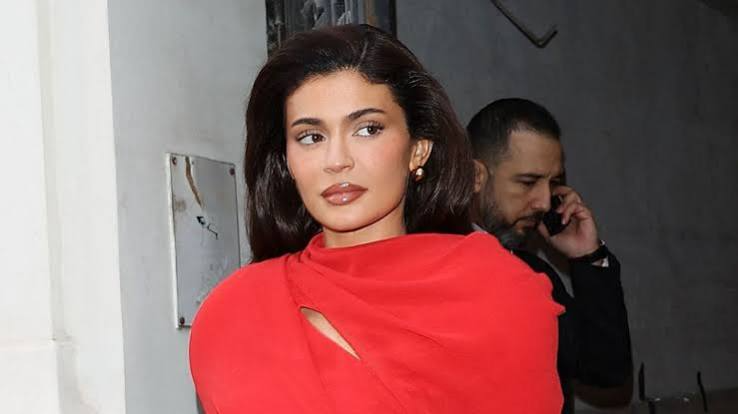
Kylie Jenner, the reality star and cosmetics entrepreneur, was sued on June 26 by a former personal chef who alleges workplace discrimination, extreme workload demands and wrongful termination. The complaint, filed in state court, adds to a string of high profile labor disputes involving celebrity employers and raises questions about employment practices inside private households and brand teams that blend personal and business responsibilities.
What the lawsuit alleges
The plaintiff, who worked for Jenner in a personal and professional capacity, describes a workplace where long hours and intense demands became routine. The complaint alleges job duties that extended beyond culinary tasks to include round the clock availability for errands and event support, repeated last minute schedule changes and an environment where complaints were met with retaliation. The suit also asserts discriminatory treatment tied to protected characteristics and seeks damages for unpaid wages emotional distress and wrongful termination.
Legal filings detail specific incidents that the plaintiff says illustrate a pattern of unfair treatment. Those include being required to prepare meals for extended family events at short notice, frequent overnight calls, and abrupt dismissal after raising concerns about working conditions. The chef is pursuing compensatory and punitive damages as well as injunctive relief to address alleged labor law violations.
Context for the claims
Employment in private homes and for high profile individuals often blurs lines between professional roles and personal assistance. Celebrity employers commonly expect flexibility and confidentiality from staff, and disputes typically hinge on whether tasks fall within an employee s contracted duties and whether state and federal labor protections were observed. The complaint against Jenner highlights that tension and underscores the legal protections workers retain regardless of their employer s public profile.
Responses and legal posture
Representatives for Jenner have not publicly released a detailed response at the time of filing, though prior statements in related matters typically emphasize due process and deny wrongdoing. Jenner s legal team will likely move to contest factual assertions, challenge the legal basis for some claims and seek to limit potential liability through negotiations or pretrial motions.
Employment law experts say defendants in such cases often pursue early resolution to avoid protracted discovery that can expose private communications and internal practices. That calculus is complicated for public figures because litigation can attract intense media coverage and impact brand reputation even if allegations are ultimately dismissed.
How similar cases have unfolded
Past disputes involving household staff and celebrity employers have produced a range of outcomes from confidential settlements to courtroom verdicts. Courts examine contracts job descriptions wage records and contemporaneous communications to determine whether labor statutes were violated. In wrongful termination claims judges consider whether the dismissal was for lawful reasons and whether the employee exhausted contractual remedies where applicable.
Implications for household and brand employment practices
The lawsuit places a spotlight on labor practices in environments where personal and professional duties overlap. It underscores the need for clear written contracts, transparent pay and overtime practices and documented job expectations. For household employees and on site staff working for celebrities or executives, formalizing roles in employment agreements and maintaining compliance with wage laws protects both workers and employers.
For employers who operate small teams in close quarters the case is a reminder that informal arrangements can create legal exposures. Employment lawyers advise standardized onboarding processes, regular payroll audits and fair grievance procedures that give employees a mechanism to raise concerns without fear of reprisal.
Voices from workers and advocates
Worker advocacy groups say the case reflects broader pressures faced by domestic and personal staff, who often experience precarious scheduling, limited bargaining power and barriers to reporting mistreatment. Advocates call for greater awareness of labor rights among private employers and for accessible channels for dispute resolution. For many workers in service and hospitality roles the risks of speaking up are compounded by immigration status or limited employment mobility.
Potential legal issues to watch
Several legal questions will be central as the case proceeds. First is the classification of the chef s role whether duties fall under a standard employment arrangement subject to minimum wage and overtime protections or a specialized contractual service with different expectations. Second is the sufficiency of evidence for discrimination claims, which require showing disparate treatment tied to protected characteristics. Third is the calculation of damages for unpaid wages and emotional distress, which depends on documentary proof such as schedules time cards and communications.
Discovery will likely be a decisive phase, revealing internal messages calendars and testimony that clarify timelines and expectations. If the parties reach a settlement the terms may remain confidential, limiting public insight into the details. If the case proceeds to trial the records developed during litigation will shape public understanding and potential precedent for similar disputes.
How high profile litigation affects public figures and brands
For celebrities whose public image intertwines with commercial enterprises litigation can have reputational as well as financial consequences. Brands often respond by reviewing internal policies, refreshing compliance training and strengthening vendor and employee contracts. Public relations strategies aim to acknowledge concerns while asserting commitment to fair employment practices and respectful workplaces.
For employees and prospective hires such cases can influence perceptions of workplace culture and affect talent recruitment, particularly for roles requiring discretion and trust. Employers who proactively adopt best practices in hiring, compensation and dispute resolution are better positioned to attract qualified candidates and to minimize legal risk.
Practical guidance for employers and employees
- Document job duties clearly in written contracts and update them when responsibilities change.
- Keep accurate payroll and timekeeping records and comply with applicable overtime and wage laws.
- Establish a confidential grievance process and respond promptly to concerns to avoid escalation.
- Seek legal counsel when forming employment arrangements that include on call expectations or irregular hours.
Where the public can find reliable information
Readers seeking authoritative information on employment law and workers rights can consult government labor departments and reputable legal aid organizations that publish guides on wages workplace discrimination and wrongful termination. For federal resources on workplace protections visit the United States Department of Labor at dol.gov which provides guidance on wage and hour standards and complaint procedures. State labor departments and local worker centers also offer tailored resources for jurisdiction specific rules and filing processes.
Looking ahead
The lawsuit against Kylie Jenner will proceed through the legal system where facts and law will be tested in discovery and potentially courtroom proceedings. Beyond the immediate parties the case may shape conversations about how employers document expectations and protect the rights of household and personal staff. We will follow filings and statements from counsel to report on developments and to explain how the outcome may affect employment practices for private employers and the workers they hire.