The world may be heading toward another period of food inflation as conflict, fuel shortages, fertilizer disruptions and extreme weather begin to pressure the cost of producing and moving food. On August 5, 2026, the United Nations Food and Agriculture Organization warned that commodity prices could rise more sharply toward the end of the year, with food prices likely to feel a stronger effect in 2027.
A period of calm may be ending
FAO Chief Economist Maximo Torero said recent stability in food markets may not last. Wheat, corn and rice prices have already increased in recent months, but current levels still reflect favorable harvests and relatively adequate supplies in several major producing regions. The more serious impact of rising fuel, fertilizer and transport costs may appear only after the next production cycle begins.
Food prices do not always respond immediately when farmers pay more for diesel, fertilizer or crop protection. Torero said it can take roughly three to six months for higher commodity costs to reach retail prices. That delay can make a market appear calm even as pressure is building underneath it.
[novinite](https://www.novinite.com/articles/239985/UN+Warns+Food+Prices+Could+Rise+Sharply+by+Year-End)
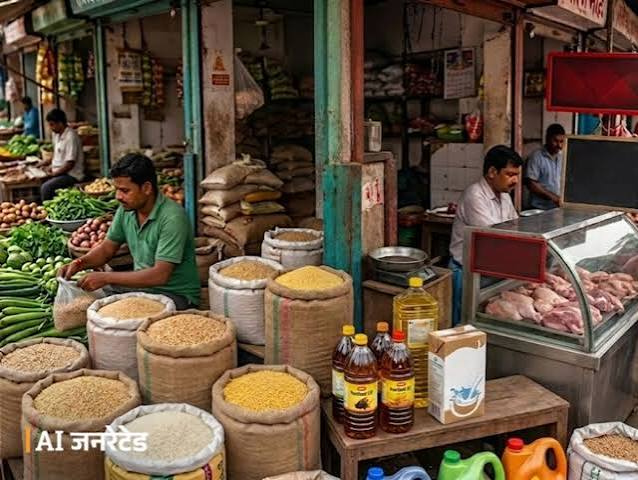
For shoppers, the change may first appear in small ways. A bag of rice costs a little more. A loaf of bread becomes slightly more expensive. Cooking oil, animal feed and packaged foods begin to rise. When those increases occur across many categories, households feel the effect in the weekly grocery bill rather than in one dramatic price jump.
Conflict is disrupting the food supply chain
The FAO warning links rising food risks to conflicts affecting Iran and Ukraine. War can damage farms, ports, storage facilities and transport networks, but its effects often reach much farther through energy and agricultural markets. A disruption in one region can increase the cost of fuel, fertilizer or shipping for producers on another continent.
Fertilizer is particularly important because modern crop yields depend on reliable access to nitrogen, phosphate and potash products. If supplies become scarce or more expensive, farmers may reduce the amount they apply, delay planting or switch to crops that require fewer inputs. Those decisions can reduce harvests and tighten supplies in later months.
Higher oil prices can add pressure at nearly every stage of the food chain. Tractors need fuel, irrigation systems require energy, harvests must be transported and refrigerated goods depend on dependable electricity. Food sold in a supermarket may have traveled through several fuel intensive stages before reaching the shelf.
The Strait of Hormuz is another concern because disruptions there could affect energy markets and the movement of fertilizer from the Gulf region. Even a temporary interruption can make buyers nervous, raise shipping costs and encourage governments or companies to hold larger reserves.
[novinite](https://www.novinite.com/articles/239985/UN+Warns+Food+Prices+Could+Rise+Sharply+by+Year-End)
Weather may intensify the pressure
The FAO also warned that a strong El Nino weather pattern could alter rainfall and temperature conditions across major agricultural regions. El Nino can bring drought to some areas and unusually heavy rainfall to others. Neither outcome is simple for farmers. A dry season can reduce yields, while excessive rain can damage crops, delay planting or make harvests difficult to complete.
India’s delayed monsoon is already drawing attention because the country is a major producer and consumer of rice. If rainfall remains below normal during an important part of the growing season, rice output could weaken and global markets could become more sensitive to supply news. A later improvement in rainfall could reduce the damage, but uncertainty itself can raise prices as traders and governments prepare for a less reliable harvest.
[rte](https://www.rte.ie/news/business/2026/0805/1586572-world-faces-fresh-food-price-surge-fao-warns/)
Weather risk also affects livestock. Drought can reduce pasture and raise the price of feed, while heat can lower animal productivity and increase water demand. Those costs can eventually influence prices for meat, milk and eggs, even when the original weather disruption occurred far from the consumer.
The human cost of higher food prices
Food inflation is not experienced equally. Wealthier households may respond to a price increase by choosing a different brand or reducing restaurant meals. Families with very limited income may already be spending most of their money on food, rent and transportation, leaving little room to adjust.
When prices rise, people may buy fewer fresh vegetables, fruit, dairy products or protein sources and rely more heavily on cheaper, less varied foods. That decision can protect a household budget in the short term while making it harder to maintain a nutritious diet. Children, older people and those with medical needs can be especially vulnerable.
The FAO has previously warned that the cost of a healthy diet remains beyond the reach of billions of people. A new increase in staple foods would add pressure to countries already dealing with hunger, displacement and weak household purchasing power.
[straitstimes](https://www.straitstimes.com/world/united-states/un-agency-warns-cost-of-a-healthy-diet-has-spiked-25-since-2021)
We should therefore view food prices as more than an economic statistic. Behind a global index are parents standing in a market deciding whether to buy cooking oil, workers skipping a meal and farmers choosing which crop they can afford to plant. Price stability can provide a measure of security, while even moderate increases can create anxiety for families living close to the edge.
Why the FAO price index matters
The FAO Food Price Index tracks international prices for a basket of major food commodities. It combines five groups, including cereals, vegetable oils, dairy products, meat and sugar, with weights based on average export shares. The index does not represent the exact grocery bill in every country, but it provides a useful signal of pressure in global commodity markets.
The index averaged 130.3 points in June 2026, down slightly from May. That recent stability helps explain why the latest warning focuses on future risks rather than declaring that a new global price surge has already arrived. Markets can remain supplied today while facing more difficult production conditions in the next season.
[fao](https://www.fao.org/worldfoodsituation/foodpricesindex/en/)
Retail prices also vary according to local harvests, currency values, taxes, transport costs and government policy. A global increase in wheat prices may affect one country quickly and another more slowly. Countries with strong domestic reserves may be able to cushion consumers for a period, while import dependent nations may face faster increases.
What governments can do
Governments have several tools available, although each carries costs and limits. They can strengthen food reserves, protect key transport routes, improve support for farmers and keep trade channels open. Timely weather information can help producers decide when to plant, irrigate or harvest.
Targeted assistance is generally more effective than broad measures that benefit wealthy consumers as much as vulnerable families. Food vouchers, direct cash support and school meal programs can help households maintain access to nutritious food. Governments can also support fertilizer efficiency, drought resistant crops, storage facilities and local processing capacity.
At the international level, cooperation is essential. Export restrictions imposed during a period of fear can make shortages worse by preventing food from reaching markets that need it. Transparent information about harvests, reserves and shipping conditions can reduce panic and discourage unnecessary stockpiling.
What households can do now
Families cannot control global weather or shipping routes, but they can prepare in practical ways. Comparing prices, planning meals and using foods already in the pantry can reduce waste when grocery costs rise. Buying seasonal produce and choosing several affordable sources of protein may also help protect a household budget without sacrificing nutrition.
- Review recurring grocery expenses and identify items that can be replaced without reducing dietary quality.
- Store reasonable quantities of durable staples rather than buying more than the household can use.
- Check local assistance programs before a food budget becomes unmanageable.
- Follow price changes on essential foods rather than reacting to every short term market headline.
Consumers can follow official food market information through the FAO Food Price Index and find humanitarian food assistance information through the World Food Programme.
A warning that calls for preparation
The FAO message is serious but not a certainty that every food category will rise sharply at the same time. Better rainfall, strong harvests, improved shipping conditions or lower energy prices could reduce some of the pressure. Yet the number of risks now gathering around the food system makes complacency dangerous.
The coming months will show whether current supplies can absorb the effects of conflict, costly inputs and unstable weather. For policymakers, the task is to protect vulnerable households before prices reach crisis levels. For farmers, businesses and consumers, the task is to prepare for volatility rather than assume that a quiet market will remain quiet.
Food prices are shaped by distant events, but their consequences arrive at the kitchen table. The FAO warning gives governments and households time to strengthen support, reduce waste and protect access to nutritious food before another wave of food inflation becomes visible in markets around the world.