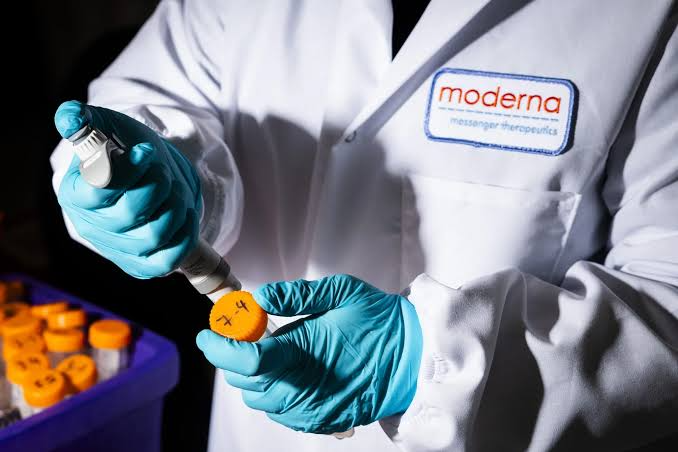
Moderna is advancing a new wave of vaccine candidates as clinical development and regulatory activity continue to reshape the global biotechnology market. The company’s work on next generation mRNA treatments is attracting attention from investors and pharmaceutical partners as capital moves toward technologies designed to respond more quickly to infectious disease threats. The latest developments also highlight a larger question for the industry: how can the promise of mRNA medicine be converted into reliable, affordable and widely available treatments for patients around the world?
Moderna’s Vaccine Strategy Moves Beyond the Pandemic Era
The commercial environment for mRNA technology has changed dramatically since the global COVID 19 crisis. During the pandemic, mRNA vaccines moved from a relatively specialized research platform into one of the most visible areas of modern medicine.
Companies that successfully developed and distributed vaccines gained access to enormous markets, while governments invested heavily in manufacturing capacity and research. That experience demonstrated that mRNA could be developed and adjusted at a speed that traditional vaccine technologies sometimes struggle to match.
Moderna is now applying that experience to a broader pipeline. The company’s research strategy extends across infectious diseases and other therapeutic areas, with the objective of creating medicines that can be adapted to different biological targets.
The shift matters because investors are no longer evaluating mRNA solely through the performance of COVID 19 vaccines. They are looking at whether the underlying technology can support a sustainable portfolio of vaccines and treatments over many years.
Why mRNA Technology Remains Important
Messenger RNA provides temporary instructions that allow cells to produce a specific protein. In vaccine development, those instructions can teach the immune system to recognize a target associated with a virus or other pathogen.
One of the major attractions of the platform is its flexibility. Researchers can modify the genetic sequence used in a vaccine candidate without redesigning the entire manufacturing concept from the ground up.
That flexibility could become particularly useful when scientists need to respond to rapidly changing viruses or emerging infectious diseases.
However, scientific flexibility does not guarantee commercial success. Every candidate still needs to demonstrate safety and effectiveness through rigorous clinical research, and regulators must determine whether the evidence supports approval.
Clinical Trials Are Driving Investor Interest
Clinical trials remain the most important test for Moderna’s next generation candidates. Laboratory results can provide promising evidence, but medicines must ultimately demonstrate meaningful benefits in people.
Clinical development can take years and requires large financial commitments. Researchers must recruit appropriate participants, collect safety data and evaluate whether the treatment performs better than existing options or provides an important benefit where current treatments are limited.
For investors, this creates a complicated valuation environment. A successful trial can dramatically increase confidence in a company’s pipeline, while disappointing results can erase billions of dollars in expected future value.
That is why biotechnology stocks can experience much greater volatility than many established pharmaceutical companies.
Regulatory Decisions Could Shape the Next Stage
Regulatory agencies will play a central role as Moderna advances its vaccine candidates. Approval requires detailed evidence covering safety, effectiveness, manufacturing quality and consistency.
Regulators also consider how a treatment fits into existing medical practice. A new vaccine may offer value because it protects against a different strain, provides longer lasting immunity, improves convenience or addresses populations that have fewer options.
The US Food and Drug Administration provides extensive information about vaccine development, clinical evidence and regulatory review, illustrating the rigorous process products must pass before reaching patients.
International markets add another layer of complexity. A product approved in the United States may still require separate regulatory review in Europe, Asia, the Middle East and other regions.
Global Vaccine Markets Are Becoming More Diverse
The international vaccine market has changed since the pandemic. Governments have become more aware of the need for domestic and regional manufacturing capacity, while healthcare systems are placing greater emphasis on preparedness.
For pharmaceutical companies, this creates opportunities beyond routine seasonal vaccination. Governments may seek agreements that provide access to vaccines during outbreaks, while private healthcare providers may expand preventive care programs.
Emerging economies are also becoming increasingly important. Population growth, urbanization and improvements in healthcare infrastructure can increase demand for advanced vaccines and other medical technologies.
Yet affordability remains a major issue. A highly advanced vaccine has limited public health value if healthcare systems cannot afford to purchase and distribute it at scale.
The Commercial Challenge After COVID 19
One of the largest challenges facing Moderna and the broader mRNA sector is the normalization of vaccine demand after the extraordinary conditions of the pandemic.
COVID 19 vaccination programs generated enormous demand during the emergency phase. As the global health situation changed, demand became more predictable and more closely tied to seasonal vaccination patterns, public policy and individual risk assessments.
That means companies now need to demonstrate that mRNA technology can generate sustainable value through a diversified portfolio rather than relying heavily on one product category.
Moderna’s future growth therefore depends partly on how successfully it can develop new vaccines and therapies while controlling research and manufacturing costs.
Next Generation Vaccines Could Improve Public Health Response
The strongest argument for continued investment in mRNA technology is not simply commercial. It is the potential to improve how societies respond to infectious diseases.
When a new pathogen emerges, researchers need to identify its biological characteristics, design a candidate and then evaluate whether it can safely stimulate an effective immune response.
A flexible platform could shorten some parts of that process. It could also allow scientists to develop vaccines against multiple targets using related manufacturing approaches.
That capability could become valuable if future outbreaks spread rapidly across borders.
Combination Vaccines Could Become More Important
Another area attracting attention is the development of combination vaccines that target multiple respiratory illnesses or viral strains through a single vaccination program.
For patients, fewer appointments can make preventive healthcare easier. For healthcare systems, combination products could simplify distribution and administration if they demonstrate appropriate safety and effectiveness.
The commercial value of such products will depend on clinical results, pricing, physician adoption and patient demand.
Manufacturing Capacity Remains Critical
Scientific discovery is only one part of vaccine development. Manufacturers must be able to produce large quantities consistently while maintaining strict quality standards.
mRNA manufacturing involves specialized processes and highly controlled supply chains. Raw materials, production equipment, storage requirements and distribution networks all affect the final cost and availability of a vaccine.
The pandemic demonstrated how quickly shortages can emerge when demand increases suddenly. Governments and pharmaceutical companies have therefore placed greater attention on resilient manufacturing networks.
For Moderna, expanding the commercial potential of its pipeline will require the company to balance manufacturing investment against realistic demand forecasts.
Why Biotechnology Valuations Are Moving So Quickly
Capital flows into biotechnology often reflect expectations about future products rather than current revenue alone. When investors believe a clinical candidate has a strong probability of success, they may assign substantial value to its potential future market.
That process can push valuations higher before a product receives regulatory approval.
The opposite can also happen. A trial that fails to meet its primary objective can cause investors to reassess the entire pipeline.
This makes clinical milestones particularly important for Moderna and its shareholders. Each major data release can influence expectations about future revenue, research spending and competitive positioning.
Competition Is Increasing Across the mRNA Sector
Moderna is not developing mRNA medicine in isolation. Other pharmaceutical companies and biotechnology firms are investing in similar technologies, while academic researchers continue exploring new delivery systems and biological applications.
Competition could ultimately benefit patients if it encourages faster innovation, stronger clinical evidence and more affordable products.
It can also create pressure for companies to differentiate their platforms. A vaccine must offer a meaningful advantage if it is entering a market where effective alternatives already exist.
What Investors Should Watch
Anyone following Moderna’s next generation vaccine program should focus on clinical evidence rather than market enthusiasm alone.
- Clinical trial results and safety findings
- Regulatory decisions in major markets
- Progress across multiple vaccine candidates
- Research and development spending
- Manufacturing capacity and production costs
- Commercial demand for new vaccine products
These factors can provide a clearer picture of whether rising biotechnology valuations are supported by fundamental progress.
The Patient Perspective Matters Most
Behind every clinical trial statistic is a patient who has agreed to participate in medical research with the hope of helping improve future treatment.
For patients and families, the value of a vaccine is not measured by a company’s market capitalization. It is measured by whether the product can prevent serious illness, reduce hospitalization, protect vulnerable people and make healthcare easier to access.
That perspective is particularly important as pharmaceutical companies pursue increasingly sophisticated technologies. Scientific progress must ultimately translate into treatments that physicians can use and patients can obtain.
Global Access Will Test the Success of mRNA Innovation
The next stage of mRNA development will not be judged only by laboratory breakthroughs. Global access will also matter.
Manufacturing partnerships, regulatory cooperation and distribution networks can determine whether a vaccine reaches populations outside wealthy healthcare systems.
The World Health Organization’s vaccine and immunization resources highlight the importance of vaccination programs in protecting populations and improving public health outcomes across different regions.
For countries with limited healthcare budgets, pricing and supply reliability can be just as important as the underlying scientific performance of a product.
A New Test for the mRNA Industry
Moderna’s expanding vaccine pipeline arrives at a critical point for the mRNA industry. The technology has already demonstrated that it can move from scientific research to mass production at extraordinary speed. The next challenge is proving that the platform can support a broad and commercially sustainable generation of medicines.
That will require successful clinical trials, careful regulatory work, efficient manufacturing and strong demand from healthcare systems.
We should also expect the market to remain volatile. Investors are likely to respond sharply to clinical results because biotechnology valuations are closely connected to expectations about future products.
The potential rewards are substantial, but so are the scientific and financial risks.
What Comes Next for Moderna and mRNA Vaccines
The coming period will provide a clearer test of whether Moderna can translate years of investment in messenger RNA technology into a diversified portfolio of commercially successful vaccines and treatments.
If clinical candidates continue producing encouraging results and regulators support broader use, the company could strengthen its position in the global vaccine market. Success could also reinforce investor confidence in mRNA technology more broadly.
If candidates fail to demonstrate sufficient benefit, however, markets may become more cautious about the industry’s long term growth assumptions.
For now, the renewed flow of capital into biotechnology reflects a belief that mRNA remains one of the most promising platforms in modern vaccine research. The real measure of its future will come through evidence from clinical trials and the experiences of patients who ultimately receive these products.
Moderna’s next generation vaccine effort therefore represents more than another pharmaceutical development story. It is part of a much larger test of whether advanced biotechnology can deliver faster scientific responses, stronger disease prevention and sustainable healthcare value across global markets.