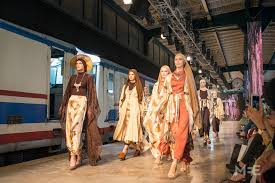
I stood at Paris Modest Fashion Week and felt a distinct shift in the room: a hush as models moved in flowing gowns, applause not for novelty but for recognition. On May 17, 2026 analysts published projections that crystallize what the runway made visible. Global spending by Muslim consumers on clothing and related lifestyle goods is now forecast to reach approximately 433 billion dollars by 2028 as luxury houses and mainstream brands incorporate full coverage lines into core collections. That projection marks a structural market shift with social, creative, and commercial consequences.
How the projection reshapes the industry
The 433 billion figure reflects more than consumer demand. It signals supply side realignment. Luxury brands that once treated modest garments as capsule collections are now embedding full coverage silhouettes into seasonal lines, sourcing longer hemlines, higher necklines, and tailored layering options with the same craftsmanship reserved for evening wear. Retailers are expanding size ranges, adjusting merchandising plans, and retraining visual teams to present modest designs with parity rather than relegating them to separate corners of stores.
For designers and buyers this change alters production logistics and editorial strategy. Factories must adopt new grading templates, pattern makers must translate brand language into modest cuts, and marketing teams must craft campaigns that speak authentically to Muslim consumers and wider audiences without tokenism.
Demand drivers and consumer behavior
Several forces have converged to drive growth. Rising middle class incomes in key markets, a demographic youth bulge in Muslim majority countries, and increased global travel have expanded the consumer base. Social media influencers and content creators who foreground style and faith amplify visibility, turning looks into microtrends that resonate across cultures. At the same time ethical and sustainability concerns steer shoppers toward pieces that are durable and versatile, traits that modest wardrobes often emphasize through layering and multipurpose design.
Design language and creative opportunities
Modest fashion is not a single aesthetic. It is a set of styling principles that include coverage, comfort, and dignity, interpreted through cultural lenses. In Paris I saw embroidered abayas next to sculptural coats, sporty modest streetwear, and eveningwear that used fabric weight and tailored construction to maintain both silhouette and modesty. Designers are experimenting with textiles that breathe in hot climates and structured fabrics that move gracefully in formal settings. That creativity offers new storytelling possibilities and invites collaboration across cultural lines.
Voices from the community
At a post show discussion a young designer from Jakarta described how her grandmother s sartorial memory shaped a capsule of reversible outerwear that works across seasons. A buyer from Dubai explained how customers increasingly seek limited edition pieces with artisanal production provenance. Those stories highlight that for many consumers modest clothing is both personal and expressive, not merely functional.
Retail strategies and market access
Retailers are responding with concrete changes. Brick and mortar stores now host inclusive fitting services, private appointment shopping, and online filters that allow searches by coverage preference and fabric opacity. E commerce platforms are improving size charts and return policies to reduce friction for first time buyers. Luxury conglomerates are establishing regional offices and partnerships to refine local assortments and build trust through consistent service.
For emerging modest brands the opportunity is twofold: they can scale by partnering with established retailers, or they can remain independent and capitalize on niche authenticity. Either path requires robust supply chains and access to finance, areas that industry groups and impact investors are beginning to address.
Economic and employment impacts
The expanding market will create design, manufacturing, and retail jobs across countries. Skilled artisans producing couture modest garments stand to gain long term contracts as brands expand assortments. At the same time mass market growth demands investments in factory capacity, quality assurance, and logistics so that production meets standards for fit and finish without displacing small scale makers who rely on artisanal commissions.
Challenges in representation and cultural sensitivity
Mainstreaming requires careful navigation of cultural and religious meanings. Brands that treat modest fashion as a trend risk alienating the communities they wish to serve. Authentic collaboration with Muslim designers, transparent engagement with community leaders, and investment in culturally literate marketing are essential to avoid missteps and accusations of appropriation. The most successful initiatives have been those that elevate local creatives and allow them to lead design and storytelling efforts.
Regulatory and retail policy considerations
Some markets face legal and social complexities around public dress codes and workplace norms that intersect with modest fashion choices. Employers and institutions adapting to a more diverse workforce may update dress policies to be inclusive, while retail regulators weigh how to protect consumers from misleading claims about religious compliance. These are policy conversations that will evolve alongside commercial practice.
Technology and sustainability in modest fashion
Technology plays a practical role. Virtual try on tools that consider different layering options help shoppers visualize coverage before purchase. Supply chain traceability platforms allow brands to certify ethical manufacturing and material provenance, a selling point for consumers who value trust. Sustainable fibers and circular design principles are gaining traction because modest pieces are often worn longer, increasing the environmental case for higher quality construction.
Market risks and moderation
Projections such as the 433 billion estimate come with caveats. Consumer spending can be volatile, influenced by macroeconomic conditions, currency shifts, and political changes in key regions. Overexpansion by major brands without long term commitment could create a boom followed by retrenchment. The healthiest growth models appear when major houses invest in local talent, ensure fair production practices, and commit to long term assortment planning.
What to watch next
Indicators to follow in the coming months include boutique and department store sell through rates for modest lines, venture funding flows into modest startups, and hiring trends for designers from Muslim majority markets. Trade shows and fashion weeks beyond Paris will also reveal whether major brands sustain their modest offerings or reduce them to seasonal experiments.
Further reading and resources
For market data and analysis on Muslim consumer spending and ethical fashion frameworks consult resources from the State of the Global Islamic Economy and fashion industry groups that track sustainability and inclusion. For research on consumer behavior and retail trends visit authoritative analytics platforms and trade organizations such as State of the Global Islamic Economy.
At the end of a show I walked past a row of folded fabrics, each weight a promise of new expression. The growth forecast is not only numbers. It represents people rethinking how faith, fashion, and modern life coexist. If the industry meets this moment with humility and investment in local creativity the modest movement could reshape mainstream fashion for years to come.