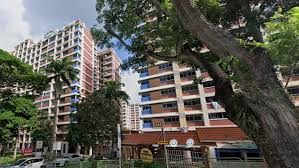
I visited a void deck conversation in a mature estate and heard the news spoken with a mix of relief and cautious curiosity. On May 16, 2026 the Housing and Development Board announced a major expansion of its Home Improvement Programme selecting more than 18,000 older flats for heavily subsidized structural upgrades and senior friendly safety works. For many residents this is not abstract policy but the promise of safer bathrooms, sturdier balconies, and an opportunity to stay in neighbourhoods they know and love.
What the expansion covers
The expanded programme focuses on structural repairs, roof and ceiling replacement where needed, life safety measures such as electrical rewiring and lift modernization, and a suite of senior oriented safety enhancements. The latter includes slip resistant flooring in common corridors and bathrooms, grab rails at key junctions, improved lighting, and tactile guidance for visually impaired residents. HDB also plans to prioritize barrier free access improvements around blocks to reduce obstacles for wheelchair users and older residents who walk with mobility aids.
How subsidies and eligibility work
HDB will continue the model of heavily subsidized works with larger grants for lower income households and special supports for elderly residents living alone. Flats are selected based on age, structural condition, and resident applications received through town councils and grassroots consultations. Residents will be offered detailed briefings before any works begin and can apply for staggered payment schemes or additional support from social agency partners if financial constraints remain.
The human scale of the upgrades
For an 82 year old resident I spoke with, the difference is palpable in imagined daily routines. She described the small terror of stepping out of a shower onto a tiled floor that had become slick over decades of use. She spoke quietly about wanting to visit the community centre without worrying about cracked pavements or a lift that stalled. Those everyday fears are precisely what the programme aims to reduce and the sensory details matter because they drive whether people feel secure enough to age in place.
Community volunteers and town council staff told me they have been preparing outreach campaigns to explain timelines, temporary access arrangements during construction, and support services for residents who need help moving furniture or accessing medical care during works. The practical logistics are as important as the technical upgrades.
Construction phasing and resident experience
HDB emphasized a phased approach to minimize disruption. Work will be scheduled to limit noise during sensitive hours and to preserve safe access for elderly and disabled residents. Temporary ramps and designated entry points will be set up where needed and a resident liaison officer will be assigned to each block to answer questions and coordinate special requests. These measures aim to keep the human cost of necessary construction as low as possible.
Why the timing matters
Singapore s population is aging rapidly. A growing share of HDB households include older adults, and many flats built in the late twentieth century now require structural renewal. Expanding the Home Improvement Programme addresses both safety concerns and broader policy goals of healthy aging in community. Upgrading existing housing stock is more cost effective and socially cohesive than mass relocation, and it preserves the informal networks of neighbours who provide social support for seniors.
Economic and labour implications
The scale of the expansion will create demand for skilled tradespeople in construction, plumbing, electrical work, and accessibility design. HDB expects local contractors and small and medium enterprises to benefit from steady streams of retrofit work. The agency also signalled efforts to ensure quality through tighter contractor vetting, performance bonds, and mandatory warranties for critical works to protect residents from shoddy repairs.
Accessibility and inclusion goals
Beyond physical fixes, the programme is designed to be inclusive. Special measures target households with persons of limited mobility, chronic health needs, or cognitive impairment. HDB and social service partners will coordinate assessment visits to customize interventions such as handrails at bed height, non slip bathroom fixtures, and clearer wayfinding for residents with memory challenges. The objective is practical: allow more seniors to live independently longer while reducing pressure on acute care and long term institutional services.
Community feedback and local governance
Town councils will play a central role in prioritizing blocks, communicating timelines, and resolving disputes. At the launch officials emphasized resident engagement through outreach sessions, door to door surveys, and public consultations where residents can voice preferences for design options. Previous rounds of HIP have shown that early, transparent communication reduces resistance and builds support, especially when choices about communal aesthetics and construction sequencing arise.
Risks and safeguards
Large scale retrofit programmes carry risks including project delays, cost overruns, and short term disruptions to daily life. HDB plans to mitigate these risks by staging contracts, requiring contractor insurance and guarantees, and monitoring progress with independent quality auditors. Officials also acknowledged potential supply chain pressures for materials and said they would stagger project starts to avoid bottlenecks and keep prices stable for residents who opt for optional enhancements.
Measuring success
Success metrics include reductions in home accident reports for seniors, improved resident satisfaction scores, completion rates within promised timelines, and the percentage of eligible flats upgraded within targeted windows. HDB will publish periodic updates and use resident feedback to refine implementation in subsequent phases.
International context and best practices
Home improvement and aging in place strategies are a key policy challenge across many high income cities. Singapore s emphasis on heavily subsidized structural upgrades and accessibility features mirrors efforts in other urban centres to retrofit existing housing stock rather than rely solely on new construction. For comparative frameworks and guidance on ageing friendly housing see resources from the World Health Organization and academic literature on age inclusive urban design World Health Organization.
What residents should expect next
Residents in selected precincts will receive official notifications with detailed scope of work, timelines, and contact information for resident liaison officers. Neighbourhood meetings and clinic style drop in sessions will follow to answer technical and financial questions. HDB will also publicize support channels for elderly residents who may need help navigating choices or accessing temporary services during works.
The programme s success will be measured in everyday comforts: steadier hands reaching for a grab rail, quieter nights without frequent lift breakdowns, and the simple reassurance of a safer bathroom floor. We will follow implementation closely to see whether the promise of upgrades becomes a lived reality for tens of thousands of households across the island.