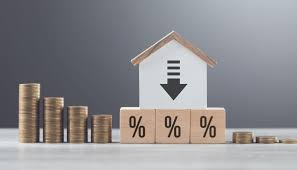
Mortgage rates have climbed to a one‑month peak, with the average 30‑year fixed rate hitting 6.22% on May 5, 2026, according to the latest industry data. This uptick reflects fresh inflationary pressure and reinforces expectations of a higher‑for‑longer real estate environment, where borrowing costs stay elevated for months or even years. We feel the weight of this shift especially in suburban neighborhoods, where families hover on the edge of homeownership, recalculating monthly budgets and future plans. The question many now ask is not just “can we afford a home?” but “can we afford it at this rate?”
What the 6.22% Signal Means
When the 30‑year fixed mortgage rate climbs to 6.22%, it reshapes the math for nearly every home transaction. On a 400,000 dollar loan, that small increase adds roughly 50 dollars per month compared to a 5.95% rate, or over 600 dollars more each year. Over time, this compounds, nudging some buyers out of the market while tightening the belts of those already locked in. We see the ripple in local listings: fewer “for sale by owner” signs, more homeowners choosing to stay put rather than roll into costlier financing.
Real estate professionals describe the mood as cautious. Potential buyers tour homes with calculators open, factoring homeowners association fees, property taxes, and insurance into a single, sobering number. The market no longer feels like a race to place an offer first; it feels like a negotiation with the clock and the Fed, where every basis point carries emotional weight.
The Inflation Backdrop
This move higher does not appear in isolation. Recent inflation indicators have come in hotter than expected, driven by persistent wage growth, service‑sector costs, and resilient consumer demand. When inflation remains above the Federal Reserve’s target, the central bank’s policy philosophy leans toward keeping interest rates higher for a longer period to avoid reigniting price pressures. That logic, translated into the mortgage market, puts upward pressure on the 10‑year Treasury yield, which in turn pushes up 30‑year fixed mortgage rates.
For everyday borrowers, the connection between the Fed, Treasury yields, and their monthly payment is not always obvious. We help connect the dots by remembering that every economic headline about inflation or hiring data can quietly nudge the rate on a new mortgage, even if the change feels small on paper. The cumulative effect, over months, is very real.
Real Estate Faces a ‘Higher‑for‑Longer’ Phase
The term “higher‑for‑longer” has become a recurring theme in real estate and finance commentary. It signals that, while the 6.22% level may fluctuate, the broad range of 6% to 6.5% for a 30‑year fixed rate could persist through much of 2026 and possibly into 2027. Historical context shows that this is a far cry from the historic lows around 3% seen in the early 2020s, but it is also distinct from the high teens of the 1980s. Still, the psychological impact on buyers who expected another era of cheap money is significant.
Agents report that many first‑time buyers are stepping back, waiting for a clearer sign that rates will move down. Existing homeowners, on the other hand, are reevaluating refinancing options. Some may find that their current 5.5% or 5.75% loan is still favorable compared to the new offers, even if they originally hoped for sub‑4% rates. The market is adjusting to a new normal, where affordability is measured differently than a few years ago.
How Borrowers Are Reacting
Among the borrowers we have spoken with, the response to the 6.22% mark falls into several camps. Some are staying in rental situations longer, using the extra time to save more for a larger down payment or to pay down debt. Others are embracing shorter‑term financing, such as 15‑year fixed loans, to trade a higher monthly payment today for lower total interest over time. And a subset of buyers, particularly move‑up or luxury buyers, are pressing ahead, prioritizing location and lifestyle over the incremental cost of the higher rate.
There is also a quiet shift toward adjustable‑rate mortgages and hybrid products, where borrowers accept a fixed rate for five or seven years before the rate adjusts. That choice carries risk, but for some, it feels like a manageable trade‑off in exchange for entering the market now rather than waiting for a perfect rate environment that may never clearly arrive.
Impact on Home Prices and Affordability
As borrowing costs rise, the immediate effect on home prices is often muted in the short term, but the buying power of consumers shrinks. A 400,000 dollar home previously within reach at a 5.8% rate may now feel like a stretch at 6.22%, especially when property taxes and homeowners insurance are rising too. This dynamic can slow price growth in some markets, while in others, limited supply keeps bids competitive, even under pressure.
Real‑estate data from organizations such as the Federal Reserve show that periods of rising rates tend to compress affordability, particularly for low‑ to middle‑income households. In regions like the Sun Belt and many coastal metros, where home‑price gains outpaced wage growth over the past decade, the 6.22% threshold amplifies the squeeze rather than creating a sudden correction.
Regional Nuances in the Market
The impact of 6.22% is not uniform. In high‑cost coastal cities, where many buyers already rely on jumbo loans with slightly higher rates, the move pushes some families to consider smaller units or suburbs farther from job centers. In the Midwest and parts of the South, where prices are comparatively lower but wages often lag, median‑income buyers may finally see more inventory options, as sellers who tried to push prices to the top during the pandemic era reset expectations.
Local housing‑affordability indexes indicate that the rate increase is forcing a quiet recalibration of what “affordable” really means. In many communities, that recalibration involves a return to shared housing, multi‑generational living, or co‑ownership arrangements as families seek to maintain access to stable neighborhoods without sacrificing other financial goals.
Advice for Buyers and Homeowners
For first‑time buyers, the current environment demands a conservative approach. It is wise to lock in your rate once your financial picture is stable, rather than waiting for a perfect number that may never come. Get pre‑approved with a clear understanding of your total monthly payment, including principal, interest, taxes, insurance, and any homeowners‑association fees. That holistic view helps prevent the shock of “rate shock” when the final numbers appear on paper.
Existing homeowners should take a hard look at refinancing if they have not done so in the past two years. Even if the 6.22% window is not ideal, it may still be worth revisiting terms, especially if you can shorten the loan period or reduce closing costs. Some local banks and credit unions are offering tailored programs for current customers, and those can occasionally provide better value than a generic online quote.
What Financial Advisers Are Telling Clients
Many financial advisers are now integrating mortgage rates into broader retirement and education‑planning conversations. On one hand, homeownership remains a powerful tool for long‑term wealth building, especially when borrowers stay put for a decade or more and allow inflation to erode the real cost of their loan payments over time. On the other hand, overextending to buy a home at a higher rate can limit flexibility for investing, paying off student loans, or saving for emergencies.
Advisers we have spoken with emphasize three things: stress‑testing your budget, using scenario planning to see what happens if rates rise further, and looking at all housing options, not just the traditional single‑family purchase. Rental, co‑ownership, and accessory dwelling units are all part of the modern conversation about shelter.
Tools and Resources for Navigating Higher Rates
There are several reputable tools that can help buyers and current homeowners better understand the implications of a 6.22% rate. The Consumer Financial Protection Bureau offers a mortgage payment calculator that lets you compare different loan amounts, terms, and rates in a clear, visual format. Many lenders also provide side‑by‑side summaries that show how much more you will pay in total interest over 30 years at 6.22% versus a lower rate.
Community‑based housing‑counseling agencies, often certified by HUD, offer free or low‑cost coaching on mortgage options, down‑payment assistance programs, and budgeting strategies. For families already worried about affordability, these services can provide a critical safety net, helping them navigate the higher‑for‑longer era without feeling overwhelmed.
Looking Ahead: Policy and Market Expectations
As May 5 marks this one‑month high, the market’s eyes turn to upcoming Federal Reserve meetings and inflation reports. Policymakers have signaled that any rate cuts will be gradual and data‑dependent, which means mortgage markets may see minor dips during periods of softer economic news but are unlikely to snap back to the ultra‑low levels of the pandemic years in the immediate future. Some analysts expect the 30‑year fixed rate to hover in the low‑to‑mid‑six‑percent range for the rest of 2026, with occasional dips and spikes tied to headlines.
For real‑estate professionals, that outlook means adjusting client expectations and focusing on long‑term value rather than speculative price gains. The era of rapid flipping may give way to a more stable, slower‑moving market, where the story of a home is built on neighborhoods, schools, and community ties rather than the expectation of quick equity growth.
A Human Perspective on the Rate Shift
Beyond the numbers, the 6.22% rate carries a quiet emotional toll. We see it in the emails from readers who thought they had finally saved enough for a down payment, only to find that the monthly payment is now beyond their comfort zone. We see it too in the conversations with couples who wonder whether they should keep their fully paid‑off home, or whether they should move to a larger space for an expanding family, even if the math feels tighter.
There is also resilience in these stories. Some families choose to rent longer, investing in home improvements for their landlord’s property or building a stronger emergency fund. Others decide to buy a smaller home, knowing they may trade space for stability. In every case, the decision is deeply personal, shaped by geography, job security, family size, and emotional priorities.
Conclusion
The jump in mortgage rates to 6.22% on May 5 is more than a technical adjustment; it is a psychological milestone that reshapes how many Americans approach homeownership. The higher‑for‑longer environment will likely favor buyers who enter with modest expectations and strong financial discipline, and it will challenge those who hoped for another era of unnaturally cheap money. Yet within this shift, there is still room for thoughtful planning, community support, and long‑term optimism. Owning a home may cost more per month today, but for many, the sense of security and stability remains worth the tighter budget.