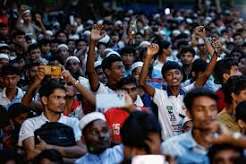
International pressure on Myanmar intensified in the days following a historic ruling by the International Court of Justice (ICJ), which found the country responsible for genocide against the Rohingya population during the military operations of 2017. Human rights organizations, legal experts and United Nations officials are now calling for meaningful action, including criminal investigations, reparations for survivors and conditions that would allow displaced Rohingya families to return safely. The challenge is no longer only securing recognition of the atrocities, but ensuring that the court’s decision leads to accountability and lasting change.
Delivered on November 19, 2026, in the case brought by The Gambia against Myanmar, the judgment represents a major development in international law. It is the first time the ICJ has found a state responsible for committing genocide. The decision is final and legally binding, but its practical impact will depend on Myanmar’s willingness to comply and the international community’s ability to maintain pressure.
ICJ Finds Myanmar Responsible for Genocide Against the Rohingya
The court ruled by nine votes to six that Myanmar committed genocide against the Rohingya group in northern Rakhine State, violating its obligations under the 1948 Convention on the Prevention and Punishment of the Crime of Genocide. Judges found that members of the community were subjected to acts including killings, serious bodily and mental harm, and measures intended to prevent births within the group.
The judgment examined the military operations carried out in 2017, when security forces launched a sweeping campaign in Rohingya communities. Villages were destroyed, civilians were killed and survivors described widespread sexual violence and severe abuses. More than 700,000 Rohingya fled across the border into Bangladesh during the crackdown, joining a refugee population that has remained largely unable to return home.
The court also found that Myanmar had failed to meet its obligations to prevent genocide and punish those responsible. It concluded that the country had not adequately protected evidence relevant to the allegations, undermining efforts to establish accountability. These findings give the case significance beyond the immediate question of responsibility: they address the state’s duties before, during and after acts of genocide.
The proceedings were initiated by The Gambia in November 2019. The small West African country brought the case under the Genocide Convention, arguing that Myanmar had violated its international obligations. Eleven other states intervened in the proceedings, reflecting the wider international interest in the interpretation and enforcement of the convention.
What the Court Has Ordered Myanmar to Do
The judgment goes beyond declaring Myanmar responsible. It sets out obligations intended to address continuing violations, protect the Rohingya and provide remedies for the harm suffered by survivors. The court directed Myanmar to investigate and prosecute people suspected of involvement in genocide and to punish those found responsible through appropriate legal processes.
Myanmar must also take steps to prevent further violations, bring its domestic laws into line with the Genocide Convention and provide guarantees that similar abuses will not happen again. The ruling requires the country to address the consequences of displacement, including measures relating to the return of Rohingya people, family reunification and the restoration of homes, land and other property.
Compensation is another central part of the decision. The court determined that Myanmar must compensate the Rohingya community and its members for damage that cannot be remedied through restitution. The exact amount and arrangements have not yet been finalized. Myanmar must submit a report within two years setting out the restitution measures taken and its proposed compensation arrangements. The court has reserved the matter for further proceedings.
These requirements are significant because justice for survivors cannot be measured only through a legal declaration. Families who lost relatives, homes and livelihoods need practical remedies. For many displaced people, the possibility of returning to their places of origin, recovering property and living without fear is as important as financial compensation.
Myanmar Signals Resistance to Full Compliance
The prospect of implementing the judgment became more uncertain on November 26, when Myanmar’s military backed president, Min Aung Hlaing, indicated that his administration would not comply with every measure ordered by the court. He said the country would act responsibly but would not follow requirements it considered inappropriate, without identifying precisely which obligations it intended to reject.
The statement raised immediate concerns among human rights advocates and legal observers. The ICJ’s judgment is binding on Myanmar, and a government cannot simply disregard its obligations because it disagrees with the decision. A refusal to implement key measures could deepen the divide between Myanmar and governments seeking accountability for the treatment of the Rohingya.
Myanmar has continued to describe its military operations in northern Rakhine as counterterrorism actions. The ICJ, however, assessed the evidence under the Genocide Convention and reached a different legal conclusion. The judgment establishes the state’s international responsibility, regardless of whether its authorities accept the court’s findings politically.
The distinction between a binding ruling and its enforcement is important. The ICJ does not have its own police force or criminal prosecutors who can arrest officials and carry out sentences. It settles legal disputes between states. If a state fails to comply with a judgment, the United Nations Security Council may become involved under the UN Charter, although political divisions among its members can complicate action.
Human Rights Groups Demand Action Beyond the Courtroom
Human rights organizations have welcomed the ruling while warning that recognition must not become a substitute for implementation. Human Rights Watch has called on concerned governments to press Myanmar’s authorities to comply, support the Rohingya and promote justice for the crimes committed against the community.
The International Commission of Jurists has also described the decision as a major milestone, stressing that it must lead to accountability, reparations and legal reforms. Advocates argue that governments should use diplomatic engagement and other lawful measures to make clear that the judgment cannot be treated as symbolic.
International pressure may involve coordinated statements, diplomatic initiatives, support for investigations and efforts to preserve evidence. Governments can also examine whether existing targeted measures against individuals responsible for abuses remain effective and whether further lawful steps are appropriate. Any response, however, should be designed to increase pressure on those responsible without worsening the hardship faced by ordinary people.
For survivors, the measure of international action will be practical. A statement of concern does not restore a destroyed home, reunite a separated family or provide medical care to someone who has lived through violence. Continued humanitarian assistance, access to education and healthcare, and protection from discrimination remain essential while political and legal processes continue.
Bangladesh and the Continuing Rohingya Refugee Crisis
Bangladesh remains central to the humanitarian consequences of the crisis. Around 1.2 million Rohingya refugees are living in the country, many in crowded camps where families face limited employment opportunities, restricted access to education and dependence on humanitarian assistance.
The ICJ’s findings strengthen the legal case for addressing the conditions that forced people to flee. However, a court judgment alone cannot make a return safe. Refugees need credible guarantees against persecution, discrimination and renewed violence. They also need confidence that their citizenship, property rights and basic freedoms will be respected.
Any return process must be voluntary, safe and dignified. Sending people back without reliable security arrangements or recognition of their rights would risk exposing them to the same dangers that drove them away. Humanitarian organizations and Rohingya representatives have repeatedly stressed that refugees must have a meaningful voice in decisions about their future.
International governments also face the challenge of maintaining support for displaced communities. Funding shortages can affect food distribution, healthcare, sanitation and education in refugee camps. These services cannot be treated as temporary luxuries while political negotiations continue. For children growing up in displacement, access to schooling and protection can shape their prospects for an entire lifetime.
Why the Judgment Matters for International Law
The case has significance well beyond Myanmar. The Genocide Convention requires states to prevent and punish genocide, and the ICJ’s decision provides an important interpretation of those responsibilities. By finding a state responsible for genocide, the court has reinforced the principle that governments can be held accountable under international law for actions committed by their authorities.
The ruling also demonstrates the importance of evidence collected over many years. Investigations, witness accounts, documentary records and detailed analysis helped establish the factual and legal basis of the case. The Independent Investigative Mechanism for Myanmar played an important role by collecting and analyzing evidence that could support future accountability efforts.
The ICJ must also be distinguished from the International Criminal Court. The ICJ deals with disputes between states and determines their international legal responsibilities. The International Criminal Court, by contrast, can prosecute individuals for crimes within its jurisdiction. The ICJ judgment does not itself convict individual military officers or impose prison sentences. Criminal accountability requires separate investigations and proceedings before competent courts.
Readers can follow the case and its legal developments through the International Court of Justice, while the United Nations provides updates on international responses and humanitarian concerns.
What Happens Next for Myanmar and the Rohingya?
The coming months will test whether the judgment can produce meaningful changes. Myanmar will face pressure to investigate suspected perpetrators, protect evidence, address discrimination and begin implementing the required remedies. The two year reporting requirement on restitution and compensation provides a formal point at which the court can assess the country’s progress, but the obligations themselves apply now.
Governments in Asia and the West will also face difficult choices. Regional actors, particularly members of the Association of Southeast Asian Nations, have influence through diplomacy and engagement with Myanmar. Western governments can use their diplomatic relationships and existing legal tools to press for compliance. A coordinated response is likely to carry more weight than isolated statements, especially if it is sustained over time.
The wider international community must also ensure that support for the Rohingya does not fade after the initial attention surrounding the judgment. Accountability, humanitarian protection and a credible path toward voluntary return are connected responsibilities. Progress in one area cannot replace action in the others.
A Historic Legal Victory Must Lead to Real Change
The ICJ’s November 19 judgment has given the Rohingya community a landmark legal recognition of the atrocities committed against them. It has also placed clear obligations on Myanmar to investigate and prosecute perpetrators, prevent future violations, restore what can be restored and compensate survivors for harm that cannot otherwise be repaired.
Yet the president’s statement rejecting full compliance has exposed the distance between a court’s decision and its implementation. The ruling is binding, but its success will depend on political will, international cooperation and sustained attention to the needs of survivors.
For Rohingya families who have spent years in displacement, justice means more than a historic announcement from The Hague. It means being able to live without fear, recover lost rights, reunite with loved ones and return home only when doing so is genuinely safe. The international response over the coming months will help determine whether this landmark judgment becomes a turning point or another promise left unfulfilled.