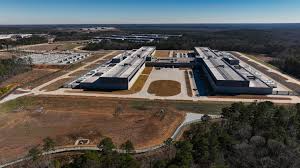
New York lawmakers advanced a proposal on June 7, 2026 that would impose temporary regional limits on the construction and operation of mega scale artificial intelligence data centers, citing rising strain on local power networks and community impacts. The measure aims to create breathing room for regulators, utilities, and planners to coordinate energy planning while the state develops longer term rules. For residents near proposed sites the debate is no abstract policy exercise but a question of lights staying on, bills remaining affordable, and neighborhoods keeping their character.
What the proposed restrictions would do
The framework under consideration would pause approvals or expansions for data centers that draw electricity above a threshold set to reflect local grid capacity. The temporary moratorium would apply while utilities complete localized reliability studies and while the state refines requirements for siting, demand management, and contribution to grid upgrades. Lawmakers described the pause as targeted and provisional, designed to prevent rushed build out that could create service disruptions or shift costs onto residential customers.
Immediate reasons for action
Utilities and grid operators reported spikes in peak demand in regions hosting data center projects, often driven by new server farms operating intensive compute loads for AI model training. Those facilities can require continuous high power and sophisticated cooling systems. Local officials said the sudden increases in demand strained aging transformers and forced utilities to fast track costly upgrades. Residents across affected counties reported flickering lights during hot summer afternoons and rising community concern over how infrastructure costs would be allocated.
Voices from communities and workers
The policy debates carried a human texture. In a small upstate town proposed as a data center corridor, a diner owner described the summer heat in a kitchen where air conditioning moments before the lunch rush failed and staff scrambled to keep the air cool for customers. A courier delivering parts to a nearby site spoke of convoys of heavy equipment tearing into rural roads and the feeling that decisions were made far from the community. At the same time, local union representatives and construction workers stressed that data center projects brought good jobs and tax revenue, adding urgency to finding solutions that balance growth with public safety and fairness.
Environmental and public health concerns
Beyond blackouts and infrastructure wear, advocates raised concerns about water consumption for cooling and local air quality from backup generators. Some communities worry that permissive siting could concentrate industrial loads in places already facing environmental burdens. Proponents of the moratorium argued that a measured pause offers time to assess cumulative impacts and to require stronger mitigations, including limits on diesel generator use and commitments to water efficient cooling technologies.
Industry response and economic stakes
Technology companies and data center operators pushed back against a blanket pause. Industry spokespeople cautioned that abrupt restrictions could slow investment, jeopardize planned jobs, and push data center development to other states or countries with more permissive frameworks. Executives said they are willing to work with utilities to implement staged draws and demand management but warned that sustained uncertainty would raise costs. Investors and market analysts will be watching closely because regional rules could set precedents that affect site selection and capital flows for large scale compute infrastructure.
Balancing grid reliability with innovation
Regulators face a complex task: allow technological growth that supports AI research and cloud services while keeping the lights on and protecting ratepayers. Potential policy tools include stricter capacity planning, mandatory grid contributions from high load users, time of use pricing, and requirements for modular build out tied to demonstrated grid upgrades. Some operators have proposed voluntary load curtailment agreements during peak events and investments in behind the meter storage to smooth demand peaks.
Precedent and potential national implications
New Yorks move could become a model for other tech hubs confronting similar tensions between rapid data center build out and grid constraints. If enacted, the moratorium would establish a legal precedent for regional governments to assert temporary controls when infrastructure planning lags behind private sector growth. That could prompt a broader national conversation about planning frameworks, federal support for grid modernization, and mechanisms to ensure that communities hosting essential infrastructure are compensated and protected.
Federal and state coordination needs
Experts say federal funding and regulatory alignment will be essential. Large scale transmission upgrades and interregional connectivity often rely on federal permitting and funding. State level pauses can buy time but cannot substitute for long term investments in transmission, resilient distribution systems, and modern grid operations. Stakeholders urged coordinated planning that aligns utility investment plans with economic development goals and that secures equitable cost sharing so residential ratepayers are not left to finance specialized industrial capacity.
Technical and policy options on the table
Policymakers and grid operators are considering a menu of measures to manage demand and integrate compute loads responsibly. Options include conditional permits tied to demonstrated contributions to grid upgrades, mandatory energy storage and active load shaping capabilities, strong requirements for emissions controls on backup generation, and localized resource adequacy studies prior to large permits. A pragmatic mix of these tools could allow data center growth to continue while protecting grid reliability and community welfare.
Case studies and early lessons
Regions that have handled rapid data center growth earlier offer instructive lessons. One state that encountered severe transformer stress now requires phased capacity build out and utility approval at each expansion stage. Another jurisdiction uses connection impact studies to set mitigation fees that fund targeted infrastructure upgrades. Those examples show that advance planning, transparent cost allocation, and enforceable operational limits can reduce conflict and avoid last minute moratoria.
What residents and local leaders can watch for
Residents should follow public filings, utility reliability studies, and local planning meetings where data center permits are discussed. Community leaders can press for clear timelines for infrastructure upgrades, enforceable mitigation commitments from developers, and community benefit agreements that fund local resiliency projects. Watching for provisions on generator emissions, water use caps, and commitments to local hiring can help ensure projects contribute positively to host communities.
Where to find technical and regulatory resources
For technical guidance on grid planning and interconnection standards, stakeholders can consult materials published by regional transmission organizations and the U S Department of Energy. The Department provides research on grid resilience and storage solutions that can inform policy design at https://www.energy.gov. State public utility commission filings and impact studies will provide the most immediate data on local capacity constraints and proposed mitigations.
As the legislative process continues we will track amendments, utility reports, and community responses to see whether New Yorks approach becomes a one off pause or the blueprint for broader regional oversight. Would you like a follow up that summarizes the proposed bill text and highlights which counties would be affected first?