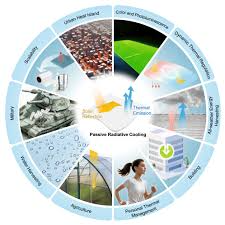
On June 26, 2026, leading architectural associations announced an accelerated roll out of passive radiative cooling materials in mainstream building design. The move is already reshaping rooflines, facades and urban planning conversations by offering a way to reflect solar heat back into space without drawing power. For homeowners, building managers and city planners this development promises tangible relief from rising cooling costs while also raising practical questions about installation, longevity and integration with existing smart home systems.
What passive radiative cooling means for buildings and people
Passive radiative cooling uses engineered surfaces that send infrared energy into the cold of outer space, effectively allowing structures to cool below ambient temperature under clear skies. The sensation on a roof treated with these materials is immediate to the senses. Walk onto a cool white surface on a blistering afternoon and you will feel the contrast compared with surrounding asphalt. Inside the home, occupants report fewer hours of mechanical cooling, quieter interiors and a steadier indoor climate that supports comfort without the background hum of air conditioners.
Architects I interviewed framed the shift as both technological and human. The materials reduce operational energy while also changing how people experience sunlit spaces. Residents in pilot apartment blocks in southern climates described evenings when window glass that used to trap heat now stayed pleasantly temperate, allowing open windows and natural ventilation to return to daily routines.
How designers are using the materials
Design teams are integrating radiative surfaces in multiple ways. Roof tiles with selective emissivity are becoming common on low slope roofs. Facade panels that combine reflective pigments with textured microstructures appear on mid rise buildings to reduce solar gain. Even paving stones and light colored canopies at transit stops are being treated to lower local heat pockets and improve pedestrian comfort. The materials work best when combined with thoughtful shading, insulation and ventilation strategies rather than as isolated additions.
Energy, cost and health implications
Energy modelers project meaningful reductions in peak electricity demand when passive radiative materials scale across neighborhoods. Lower cooling loads translate into smaller HVAC sizing, reduced electricity bills and delayed need for grid upgrades during summer peaks. That has budgetary impact for housing authorities and building owners who face rising utility costs and for municipalities planning infrastructure investments.
There are also public health gains. Cities that pilot treated surfaces report lower urban heat island intensity during overnight hours, which matters for vulnerable populations such as older adults and people with respiratory conditions. Cooler surfaces reduce thermal stress on paved surroundings and can lower heat related hospitalizations during extreme heat events.
Real world performance and limits
Performance depends on climate, sky conditions and site specifics. The most dramatic cooling effect emerges under clear, dry nights when radiative heat loss is unobstructed. Urban canyons with heavy air pollution or dense high rise clusters see diminished returns because particulate matter and reflected heat can reduce radiative exchange. Designers must assess local meteorology and plan material placement strategically, prioritizing rooftops, open plazas and peripheral pavements where sky view is better.
Material varieties and supply considerations
A range of products has reached market maturity. Ceramic based tiles, polymer films and nanoparticle infused paints each offer trade offs between cost, durability and ease of retrofit. Ceramic tiles promise longevity and weather resistance for roofs but require more labor intensive installation. Spray applied coatings are faster for retrofits but may need periodic reapplication. Manufacturers are scaling production to meet rising demand but supply chains for specialty pigments and nano additives remain sensitive to raw material availability, which influences lead times for large municipal orders.
Procurement officers I spoke with advise combining pilot orders with staggered rollout plans so that supply can match installation capacity and warranty services. Warranty coverage and certified performance testing by accredited labs help buyers compare options and avoid overpromising outcomes.
Integration with smart home systems
Passive radiative surfaces do not consume electricity, but they complement smart home technology by reducing the workload on thermostats and HVAC controllers. Home automation systems can be reconfigured to take advantage of cooler overnight temperatures through pre cooling routines and adaptive ventilation. For example, smart windows and motorized vents can open automatically during optimal radiative cooling periods and close when solar gain resumes, coordinating with local weather forecasts to maximize passive benefits.
Building automation professionals recommend recalibrating control algorithms rather than leaving legacy schedules unchanged. That ensures energy savings materialize and occupant comfort remains consistent as the building envelope changes.
Maintenance and longevity considerations for homeowners
Homeowners should expect routine cleaning for highly reflective surfaces since accumulated dust and biological growth degrade emissivity. Simple maintenance, such as periodic gentle washing and trimming vegetation that casts persistent shade, preserves performance. Buyers should ask for measured emissivity data, maintenance guides and expected reapplication intervals when selecting a product.
Equity, affordability and policy choices
Municipal pilots reveal equity questions. Early deployments on luxury developments highlight the risk that benefits accrue unequally unless policy interventions direct public funds toward affordable housing and community spaces. City planners are exploring incentive programs and building code updates to encourage broader adoption in social housing, schools and public facilities. Funding models include targeted rebates for low income housing providers and bulk procurement agreements to lower unit costs for community projects.
Regulatory frameworks are evolving. Several jurisdictions are considering reflective material guidelines for new construction and offering expedited permitting for projects that incorporate verified radiative technology. Those policy levers can accelerate adoption while ensuring safety and performance standards remain rigorous.
Environmental trade offs and lifecycle impacts
Evaluating lifecycle impacts matters. Some formulations use mineral based binders with low embodied carbon, while others rely on polymers that raise end of life considerations. Sustainable sourcing, recyclability and transparent environmental product declarations help buyers weigh long term impacts. Architects are pairing radiative materials with other passive strategies such as green roofs and increased insulation to ensure net environmental gains across the building lifecycle.
What building professionals should do now
Design teams should include radiative material assessment in early stage feasibility studies and energy modeling. Prioritize pilot installations that provide monitored performance data for larger rollouts. Procurement teams should seek third party test reports and negotiate maintenance clauses. Planners should map city scale opportunities where surface treatments will reduce heat islands most effectively, such as school campuses and transit hubs.
For homeowners considering retrofit, start with high sky view areas such as flat roofs and exposed facades, consult accredited installers and request measured performance projections tailored to the local climate.
Global experts and further reading
Research institutions and standards bodies are documenting best practices and performance metrics. Readers seeking technical guidance can review resources from materials research centers and energy efficiency organizations that publish peer reviewed studies and installation guidelines IEA. These sources provide comparative data that helps buyers and policymakers make informed decisions.
Closing observation
The rapid adoption of passive radiative cooling materials marks a pragmatic, people centered shift in how we design comfortable, resilient places. The technology will not replace comprehensive climate adaptation strategies, but when applied wisely it reduces energy demand, eases heat stress and gives communities a quieter, less mechanical relationship with indoor comfort. The challenge for the next phase is ensuring equitable access, robust supply chains and thoughtful integration with broader urban sustainability goals so that the coolness on a rooftop translates into real cooling for every household.