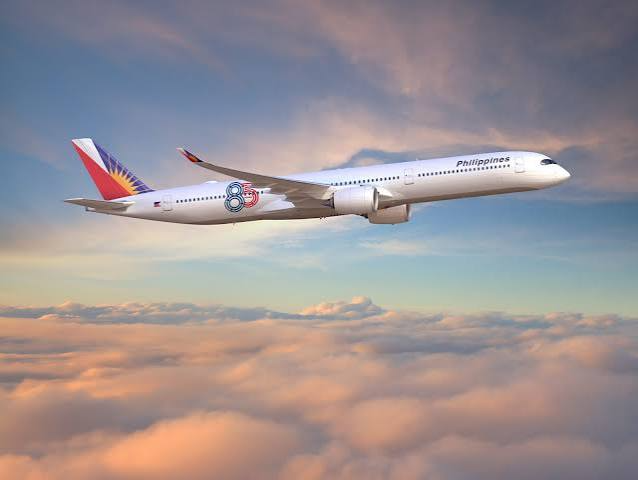
Philippine Airlines is making a major commitment to its international growth strategy, doubling its firm orders for Airbus A350 1000 long haul aircraft as it prepares to expand services across North America and strengthen its position in the global aviation market. The Philippine flag carrier finalized agreements with Airbus and Rolls Royce on November 5, 2026, covering nine additional A350 1000 aircraft and their associated engines. The latest agreement increases the airline’s total firm commitment for the aircraft to 18, marking an important milestone in its fleet modernization program. With demand for international travel remaining resilient and connections between the Philippines, the United States, and Canada becoming increasingly important, the investment signals PAL’s confidence in the long term potential of transpacific aviation.
Philippine Airlines Finalizes Major Airbus A350 1000 Agreement
The agreement between Philippine Airlines, Airbus, and Rolls Royce formalizes a preliminary commitment announced during the Farnborough International Airshow in July 2026. The definitive contracts were signed in Manila on November 5, bringing together representatives of all three companies to confirm the next stage of their partnership.
Under the agreement, PAL will acquire nine additional Airbus A350 1000 aircraft, increasing its total firm orders for the model to 18. The airline has also secured purchase rights for five additional aircraft, providing flexibility to expand its long haul capacity further if market conditions support additional investment.
The agreement includes Rolls Royce Trent XWB 97 engines, which exclusively power the A350 1000. It also incorporates the manufacturer’s TotalCare maintenance and support program, designed to support engine reliability, availability, and operational performance throughout the aircraft’s service life.
Lucio C. Tan III, president and chief operating officer of PAL Holdings, described the agreement as an important investment in the airline’s future. He noted that the A350 1000 has already demonstrated its ability to connect the Philippines with North America through nonstop services while providing improved fuel efficiency and passenger comfort.
The agreement also deepens the longstanding commercial relationship between Philippine Airlines and Airbus, while giving Rolls Royce a larger role in supporting the carrier’s expanding long haul fleet.
Why Philippine Airlines Is Investing in More Long Haul Aircraft
North America has become one of Philippine Airlines’ most important international markets. Millions of people of Filipino heritage live in the United States and Canada, creating consistent demand for travel between major North American cities and destinations throughout the Philippines.
For many passengers, these journeys are more than ordinary international trips. They provide opportunities to visit relatives, attend family celebrations, pursue education, conduct business, and reconnect with communities separated by thousands of miles.
By increasing its long range aircraft orders, PAL is preparing to serve this demand with greater capacity and improved onboard facilities. Its strategy also reflects the importance of direct flights, which can reduce travel times and eliminate the inconvenience of connecting through other international airports.
Strengthening Connections Between Manila and the United States
Manila serves as PAL’s primary international gateway, connecting passengers from North America with destinations throughout Southeast Asia and the wider Asia Pacific region.
The airline already operates nonstop services to major American destinations, including Los Angeles, San Francisco, New York, and other important markets. Its A350 1000 aircraft have become a central part of this long distance network.
In October 2026, PAL highlighted the daily deployment of its flagship A350 1000 on the Manila to San Francisco route. The service provides passengers with access to the airline’s newest long haul cabin while supporting travel demand during the busy year end holiday season.
The airline has also announced additional frequencies on selected North American routes. Services to Vancouver, Toronto, and New York are scheduled to receive additional flights, while three weekly Manila to Chicago services are scheduled to begin on November 9, 2026.
These developments indicate that the aircraft investment is part of a broader network strategy rather than an isolated fleet purchase.
Airbus A350 1000 Offers Greater Range and Passenger Comfort
The Airbus A350 1000 is among the manufacturer’s largest and longest range passenger aircraft. Designed for demanding international routes, it combines advanced aerodynamic engineering, lightweight materials, and modern engines to support efficient long distance operations.
Philippine Airlines has configured its A350 1000 aircraft to accommodate 382 passengers across three classes. This arrangement provides a combination of premium seating and standard economy capacity, allowing the airline to serve different passenger segments on busy international routes.
The aircraft’s long range capabilities are particularly valuable for transpacific services, where airlines must balance passenger capacity, fuel consumption, cargo requirements, and operational flexibility.
A More Comfortable Experience on Long International Flights
Long flights can be physically demanding, particularly for passengers traveling between Southeast Asia and North America. Spending many hours in an aircraft cabin makes seating comfort, cabin atmosphere, entertainment, and personal space important considerations.
The A350 1000 offers several features designed to improve the passenger experience, including larger windows, a quieter cabin, higher cabin humidity, and a lower cabin altitude compared with many older aircraft.
PAL’s Business Class product includes its Mabuhay Studios suites, featuring 42 fully flat seats with sliding privacy doors and direct aisle access. The configuration follows a one, two, one seating arrangement, giving passengers greater privacy during overnight journeys.
Each suite includes a 20 inch 4K entertainment screen, wireless charging, and complimentary full flight Wi Fi access for messaging, browsing, and streaming.
Premium Economy passengers receive spacious reclining seats with additional leg support, while Economy Class offers personal entertainment screens, adjustable headrests, and charging connections.
These facilities are intended to make extended international journeys more comfortable for business travelers, families, and passengers visiting relatives overseas.
Fuel Efficiency Becomes a Critical Factor in PAL’s Fleet Strategy
Aircraft fuel consumption remains one of the largest operating expenses for commercial airlines. Long distance carriers are particularly exposed to fluctuations in global energy prices because their aircraft consume substantial quantities of fuel on intercontinental journeys.
Philippine Airlines has faced financial pressure from higher jet fuel costs. The airline reported that average jet fuel prices had increased significantly, with fuel accounting for nearly 40 percent of its operating expenses, compared with approximately 31 percent a year earlier.
This makes the introduction of newer aircraft especially important. The A350 1000’s advanced engines and aerodynamic design can help reduce fuel consumption per passenger compared with older generation aircraft, depending on operating conditions and passenger loads.
Lower fuel consumption can provide several advantages, including reduced operating expenses, improved route economics, and potentially lower emissions per passenger. However, actual savings depend on fuel prices, maintenance costs, aircraft utilization, and the commercial performance of individual routes.
For PAL, maintaining a modern fleet could therefore become an important part of protecting profitability while competing against other international airlines serving North American destinations.
Rolls Royce Strengthens Its Partnership With Philippine Airlines
The expanded aircraft commitment also represents a significant development for Rolls Royce, which supplies the Trent XWB 97 engines powering the A350 1000.
The engine was developed specifically for the aircraft and is designed to deliver the performance required for long distance commercial operations. Its efficiency and reliability are important considerations for airlines operating services that can last more than 15 hours.
The TotalCare agreement adds another layer of operational support. Through this program, Rolls Royce provides comprehensive engine maintenance and monitoring services, helping airlines manage maintenance requirements and improve aircraft availability.
For Philippine Airlines, reliable engine support is particularly important as the number of A350 1000 aircraft in its fleet increases. Unscheduled maintenance can disrupt carefully planned international schedules, affect passenger connections, and increase operating expenses.
A larger agreement with Rolls Royce provides a framework for supporting the airline’s long term fleet expansion while maintaining consistent technical standards.
Aircraft Deliveries Will Shape PAL’s Expansion Timeline
Although the latest agreement increases PAL’s firm orders substantially, the additional aircraft will not enter service immediately. Aircraft manufacturing and delivery programs require extensive planning, production capacity, certification procedures, and coordination between manufacturers and airlines.
The delivery schedule previously outlined during the July 2026 announcement places the first aircraft from the additional order in the 2034 to 2036 period. This means the investment is primarily intended to support the airline’s longer term growth rather than provide an immediate increase in capacity.
In the meantime, PAL will continue expanding its existing fleet and adjusting its international flight schedules to meet passenger demand. The airline currently operates 86 aircraft, including 65 Airbus aircraft, according to its November announcement.
It has also committed to a separate Boeing 787 10 Dreamliner program, involving at least 15 aircraft with purchase rights for five more. Together, the Airbus and Boeing agreements indicate that the airline is pursuing a broad fleet modernization strategy rather than relying on a single aircraft manufacturer.
Financial Challenges Remain Despite Strong Expansion Plans
PAL’s expansion strategy comes at a time when the airline industry continues to face financial uncertainty. Fuel price volatility, aircraft financing expenses, maintenance requirements, and intense international competition can affect profitability even when passenger demand remains healthy.
Reports on the airline’s financial performance indicate that Philippine Airlines recorded a net loss of approximately $159 million during the first nine months of 2026. Higher fuel costs have placed considerable pressure on its operating results, despite continued demand for international travel.
This financial backdrop makes the decision to increase aircraft commitments particularly significant. The company must balance long term expansion with its immediate responsibility to maintain liquidity, control expenses, and improve financial performance.
Investors will therefore be watching how PAL manages its existing fleet, finances future deliveries, and converts additional passenger capacity into sustainable revenue.
What the Expanded Fleet Means for Philippine Tourism and Trade
Additional long haul aircraft could provide benefits beyond the airline itself. Improved air connectivity can support tourism, international business, education, investment, and trade relationships between the Philippines and major overseas markets.
For the tourism industry, stronger direct connections can make the Philippines more accessible to international visitors. Travelers arriving from North America can connect through Manila to destinations such as Cebu, Palawan, Boracay, and other popular locations throughout the country.
More international flights can also support hotels, restaurants, transportation providers, tour operators, and small businesses that depend on visitor spending.
Cargo operations represent another potential source of value. Long haul passenger aircraft can transport commercial shipments in their cargo compartments, supporting the movement of electronics, seafood, agricultural products, and other goods between international markets.
As PAL increases its North American services, additional cargo capacity could strengthen trade connections while helping businesses access customers across the Pacific.
What Investors and Travelers Should Watch Next
The next phase of Philippine Airlines’ strategy will depend on how effectively it converts its aircraft commitments into profitable international operations. Several developments deserve attention over the coming years.
- Aircraft delivery progress: The timing of additional A350 1000 deliveries will determine how quickly PAL can increase long haul capacity.
- North American route expansion: Passenger demand on services to the United States and Canada will influence future flight frequencies and aircraft deployment.
- Fuel prices: Changes in international energy markets could significantly affect operating expenses and profitability.
- Financial performance: Revenue growth, operating margins, and debt management will help determine whether the expansion remains financially sustainable.
- Passenger demand: Business travel, tourism, and visits to family members will remain important sources of long haul traffic.
Philippine Airlines Positions Itself for the Next Generation of International Travel
Philippine Airlines’ decision to double its firm Airbus A350 1000 orders to 18 aircraft marks a significant commitment to its international future. By securing nine additional aircraft, purchase rights for five more, and a long term engine support agreement with Rolls Royce, the airline is preparing for a larger role in global long haul aviation.
The expansion is particularly important for North America, where strong connections with Filipino communities, tourism opportunities, and commercial relationships continue to support international travel demand.
However, the success of this strategy will depend on more than acquiring modern aircraft. Managing fuel expenses, maintaining financial stability, securing profitable routes, and delivering a consistent passenger experience will remain essential.
For travelers, the planned expansion offers the prospect of more flight options and a modern long haul experience. For the Philippines, stronger international air connections could support tourism, trade, and economic relationships for years to come.
As the airline prepares for its next chapter, its expanded Airbus commitment sends a clear message: Philippine Airlines intends to strengthen its position as a major bridge between Southeast Asia and the rest of the world.
Readers can follow future fleet announcements and route developments through the official Philippine Airlines website and explore aircraft specifications and manufacturing developments through Airbus.