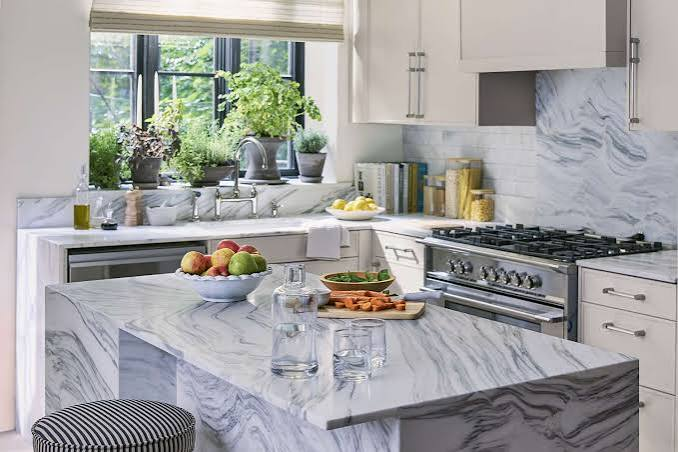
Real Simple has reportedly unveiled its 2026 flagship model home project in Brooklyn, New York, bringing sustainable architecture, space saving interiors, and smart home technology into focus. The showcase reflects a growing interest in homes that combine practical design with environmental responsibility, particularly in cities where limited floor space and high housing costs influence everyday decisions. From efficient storage and natural materials to connected household systems, the project highlights ideas that could shape the next generation of urban residential design. The specific details of the reported October 8, 2026, unveiling should be confirmed through an official announcement, but the themes associated with the project offer a useful look at the priorities influencing contemporary home design.
Why Brooklyn Is a Fitting Setting for a Model Home Project
Brooklyn offers a compelling setting for exploring the challenges of modern urban living. Its residential landscape includes historic brownstones, converted industrial buildings, compact apartments, contemporary developments, and shared residential spaces. Each type of home presents different opportunities for improving comfort, energy efficiency, and the use of available space.
For many city residents, the ideal home is not necessarily the largest one. It is a place where daily routines feel manageable, storage does not overwhelm living areas, and rooms can accommodate work, rest, cooking, and social gatherings without constant rearrangement. Good design can make even a modest apartment feel more comfortable by improving circulation, lighting, and the relationship between furniture and available floor space.
A model home can demonstrate these principles in a tangible way. Rather than presenting sustainable living as an abstract environmental goal, a carefully planned residence can show how insulation, efficient appliances, durable materials, and thoughtful furniture choices work together in everyday life.
Brooklyn’s mix of older buildings and newer residential projects also raises important questions about renovation. Existing structures may benefit from improved insulation, efficient lighting, and upgraded heating systems, but renovations must account for the limitations of older construction. A successful urban design approach balances contemporary comfort with the practical and architectural realities of the building itself.
Sustainable Architecture Moves Beyond Appearance
Sustainable architecture is often associated with rooftop greenery, timber finishes, large windows, and understated natural colors. These features can contribute to a pleasant living environment, but genuine sustainability depends on more than visual style. The materials used, the energy consumed, the water required, and the lifespan of building components all influence a home’s environmental impact.
A well designed residence begins by reducing unnecessary energy demand. Effective insulation, properly sealed windows, efficient heating and cooling systems, and thoughtful building orientation can help maintain comfortable indoor temperatures while limiting energy consumption. These measures are especially relevant in climates where buildings must manage both cold winters and warm summers.
Material selection is another important consideration. Reclaimed wood, recycled metal, responsibly sourced timber, and products with long service lives can help reduce waste when selected appropriately. However, the environmental performance of a material depends on its origin, processing, transportation, durability, and maintenance requirements. A natural finish does not automatically make a product environmentally preferable.
Energy Efficiency as a Foundation for Sustainable Living
Energy efficiency is among the most practical ways to improve a home’s environmental performance. LED lighting consumes less electricity than traditional incandescent lighting, while modern appliances can reduce energy use during routine household activities. Efficient heating and cooling equipment can also improve comfort without requiring excessive energy consumption.
For residents considering improvements to an existing property, sealing drafts and addressing insulation gaps may be sensible starting points. These measures can reduce unwanted heat loss in winter and limit heat entering the home during warmer months. Their effectiveness depends on the building’s condition and local climate, so larger projects should be assessed by qualified professionals.
Homeowners can explore established efficiency guidance through the US Department of Energy’s Energy Saver resources, which cover insulation, heating, cooling, lighting, and other practical measures for reducing residential energy use.
Compact Interior Design Makes Every Square Foot Count
Space efficiency is central to urban interior design, particularly in apartments where separate rooms for working, entertaining, sleeping, and exercising may not be practical. A carefully planned room can serve several purposes without feeling crowded, provided that furniture placement, storage, lighting, and circulation are considered together.
Multifunctional furniture is one approach. A dining table can double as a workspace, a storage bench can provide seating while concealing household items, and a sofa bed can make a living room suitable for overnight guests. Foldable desks and wall mounted shelves can also free valuable floor area when they are not in use.
The most effective solutions are those that support the household’s actual routines. A folding dining table may be useful for someone who occasionally hosts guests, while a person who works remotely every day may benefit more from a dedicated desk with accessible storage. Design decisions should respond to the way people live rather than simply reproduce a showroom appearance.
Storage That Reduces Clutter Without Sacrificing Comfort
Clutter can make a compact home feel smaller than it really is. When everyday objects lack designated places, countertops become crowded, walkways narrow, and rooms become harder to maintain. Built in cabinets, storage beds, shelving above doorways, and organizers inside kitchen cupboards can help address these problems without requiring additional floor space.
Visual simplicity also matters. Furniture with appropriate proportions, consistent materials, and a restrained color palette can help a room feel more cohesive. Mirrors may distribute reflected light, while curtains positioned to allow daylight into the room can make small interiors feel more open. These techniques do not increase the actual size of a home, but they can improve the experience of using it.
There is also a financial advantage to buying furniture carefully. Selecting durable pieces that serve more than one purpose may reduce the need for repeated purchases as household needs change. Residents should still compare product quality, repairability, dimensions, and cost rather than assuming that every multifunctional item represents good value.
Smart Home Technology Focuses on Everyday Convenience
Connected household technology has become an important part of contemporary residential design. Smart thermostats, lighting controls, leak detectors, connected appliances, and automated window coverings can help residents manage their homes with greater precision. When these systems are selected thoughtfully, they can reduce repetitive tasks and provide useful information about household energy consumption.
A smart thermostat, for example, may adjust heating and cooling according to schedules or occupancy patterns. Connected lighting can allow residents to switch off lights remotely, while leak sensors can alert occupants to water where it should not be. These functions can be particularly useful for people who travel frequently or manage more than one property.
However, connected devices are not automatically energy efficient or environmentally beneficial. They consume resources during manufacturing, require electricity to operate, and may become difficult to maintain when software support ends. A sustainable smart home should prioritize useful functions, long service lives, secure software, and compatibility with other household systems.
Privacy and Reliability Matter as Much as Automation
Smart home technology can collect information about occupancy, routines, energy use, and household activity. Before purchasing connected devices, residents should review privacy settings, understand what information is collected, and check whether data can be processed locally rather than transmitted unnecessarily to external services.
Security is another consideration. Strong passwords, multifactor authentication where available, regular software updates, and a properly secured home network can reduce the risk of unauthorized access. Residents should also consider whether essential household functions will continue to operate if an internet connection fails.
For many households, a small number of reliable devices will provide more practical value than a complicated network of automated systems. Smart technology should solve real problems, not create new maintenance responsibilities or make basic activities dependent on expensive equipment.
Natural Light, Indoor Comfort, and Healthier Materials
Residential design affects how people feel throughout the day. Natural light can make interiors more inviting, while appropriate ventilation helps manage indoor humidity and remove pollutants generated by cooking, cleaning, and household products. A well planned home should support comfort without relying entirely on decorative features.
Material choices can influence indoor air quality as well. Some paints, adhesives, flooring products, and composite wood materials release volatile organic compounds. Selecting products with appropriate emissions certifications and following manufacturer guidance during installation can help reduce unnecessary exposure.
Ventilation must be considered alongside energy efficiency. Airtight construction can reduce heat loss, but homes also require adequate fresh air. Balanced ventilation systems and properly maintained kitchen and bathroom exhaust fans can help manage moisture and indoor pollutants, depending on the building’s design.
Biophilic design, which incorporates natural materials, plants, daylight, and views of nature, can also make a residence feel more welcoming. Yet plants should be selected according to available light and maintenance needs, and decorative greenery should not be treated as a substitute for proper ventilation or air filtration.
Water Conservation and Waste Reduction at Home
Water efficiency is another important element of sustainable residential design. Low flow showerheads, efficient faucets, leak detection, and water saving toilets can reduce unnecessary consumption. In suitable properties, rainwater collection may support outdoor watering, subject to local regulations and appropriate system design.
Waste reduction begins before products enter the home. Choosing durable furniture, repairing damaged items, reusing materials, and purchasing only what is needed can limit the amount of waste generated during everyday living. Renovation projects can also benefit from planning material quantities carefully and identifying opportunities to reuse existing fixtures or donate usable items.
For urban residents with limited storage, reducing unnecessary purchases can be especially practical. A smaller number of useful, durable household items may be easier to organize and maintain than a large collection of inexpensive products that need frequent replacement.
What Homeowners and Renters Can Learn From the Project
The reported Real Simple showcase reflects several principles that can be applied without undertaking a major renovation. Renters and homeowners can begin by identifying the areas where their homes waste energy, create clutter, or make daily tasks unnecessarily difficult.
Simple improvements may include replacing inefficient light bulbs, sealing minor drafts where permitted, reorganizing storage, using power strips to manage suitable electronics, and selecting furniture that fits the room’s dimensions. Residents can also review appliance settings, repair dripping faucets, and use window coverings to help manage indoor temperatures.
Before investing in smart devices or expensive sustainable materials, households should establish a realistic budget and prioritize improvements with measurable benefits. The cheapest option is not always the best over the long term, but a premium product is not automatically more sustainable either. Durability, maintenance costs, energy performance, and suitability for the home all deserve consideration.
The Future of Urban Homes Depends on Practical Design
The reported 2026 flagship model home project arrives at a time when urban households are balancing environmental concerns with affordability, limited space, and changing work patterns. The most useful design ideas are those that address these pressures together rather than treating sustainability, technology, and comfort as separate objectives.
A home that uses less energy, makes better use of storage, and relies on durable materials can offer practical benefits over many years. Connected technology may support those goals when it is reliable and appropriately managed. Thoughtful lighting, ventilation, and room planning can improve daily comfort without requiring larger living spaces.
Still, the benefits of sustainable housing extend beyond individual interiors. Building codes, access to efficient appliances, public transportation, responsible construction, and the availability of affordable housing all influence the environmental and financial realities of urban living. A model home can demonstrate useful solutions, but wider progress depends on making those solutions accessible to more households.
Conclusion: A More Thoughtful Approach to Modern Living
Real Simple’s reported Brooklyn showcase places sustainable architecture, compact interior design, and connected home technology at the center of a broader discussion about how people want to live. The project’s stated themes reflect a practical shift toward homes that are comfortable, efficient, adaptable, and easier to maintain.
For city residents, the most valuable lesson is that thoughtful design does not require unlimited space or an unlimited budget. Better storage, efficient lighting, durable materials, responsible water use, and carefully chosen technology can improve everyday life while reducing waste and unnecessary expenses.
Whether the next generation of urban homes is built from the ground up or created through the renovation of existing apartments, lasting success will depend on practical performance rather than appearance alone. A genuinely well designed home should work for the people who live in it, use resources responsibly, and remain useful as their needs change.