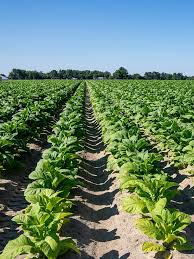
Researchers have engineered tobacco and lettuce plants to produce myoglobin, an authentic animal protein associated with the color, flavor and iron content of meat. The advance, reported on August 7, 2026, offers a promising step for molecular agriculture, a field that turns crops into biological factories for valuable proteins and could eventually support a more diverse and resource efficient food system.
A protein normally found in muscle
Myoglobin is abundant in animal muscle fibers, where it stores oxygen and helps give meat its familiar red color. It also contains heme, an iron bearing molecule linked to the savory taste and sensory qualities many people associate with beef and other meats.
Plant based meat products can reproduce some of meat’s texture and appearance with ingredients such as soy, pea and wheat protein. Yet matching the deeper color, aroma, flavor and nutritional profile of animal meat remains difficult. The new research addresses one part of that challenge by producing the actual animal protein inside a plant rather than attempting to imitate it with unrelated ingredients.
The work was led by researchers associated with Imperial College London and was published in Frontiers in Plant Science. The scientists introduced genes for pig and cattle myoglobin into the chloroplasts of tobacco and lettuce seedlings, then confirmed that the plants could produce the protein in their leaves.
[frontiersin](https://www.frontiersin.org/news/2026/08/06/frontiers-plant-science-transgenic-plants-carrying-myoglobin-gene-in-chloroplasts-for-fake-meat-production)
How molecular farming works
Chloroplasts are the structures inside plant cells that carry out photosynthesis. They convert light into chemical energy and contain their own genetic material, making them attractive targets for scientists seeking to produce specialized proteins in crops.
The team used a technique called biolistic transformation, commonly described as a gene gun method. Tiny gold particles coated with genetic material were propelled into young plant cells. Some of the introduced DNA reached the chloroplasts and became part of the genetic system used by the plants.
That detail matters because the researchers were not simply placing a temporary ingredient on a leaf. The modified plants produced myoglobin as they grew, and the genetic change was passed to their offspring. Stable inheritance is an important requirement for agricultural production because it could allow farmers and seed developers to maintain a reliable source of the desired protein over multiple generations.
The researchers measured approximately 800 milligrams of myoglobin per kilogram of dry tobacco material and about 810 milligrams per kilogram of dry lettuce material. The result was at least three times higher than production achieved when the gene was inserted into the plant’s nuclear genome, although it remained below the concentration naturally found in animal muscle.
[hindustantimes](https://www.hindustantimes.com/ht-explainers/lettuce-meat-protein-myoglobin-biology-science-study-animal-meat-plant-lab-grown-meat-industry-science-iron-rich-food-101786107703922.html)
Why lettuce and tobacco matter
Lettuce is an edible crop with a short growing cycle and established agricultural systems. That makes it an obvious candidate for future food research, although the engineered lettuce described in the study is not a product consumers should eat. The myoglobin would need to be extracted, purified, tested and approved before it could be added to commercial foods.
Tobacco may seem like an unexpected choice, but it is widely used in plant biotechnology because it grows quickly, produces substantial leaf material and has a long history as a research crop. Tobacco also allows scientists to test production methods without immediately placing a food crop at the center of early laboratory work.
Using plants as protein factories could offer several advantages over raising animals or operating large industrial fermentation facilities. Crops use sunlight as their energy source, can be cultivated in many regions and may require less specialized equipment than microbial production systems. A review available through the National Library of Medicine’s research archive describes plant molecular farming as a potential way to diversify protein production and support food security.
[pmc.ncbi.nlm.nih](https://pmc.ncbi.nlm.nih.gov/articles/PMC11374769/)
Potential uses for the protein
If the method becomes commercially practical, plant produced myoglobin could be used in several ways:
- Adding a meat like color to plant based burgers, sausages and whole cut products.
- Providing a source of heme related flavor compounds and iron.
- Reducing reliance on animal muscle as a source of specialized food ingredients.
- Supplying research, nutrition and biotechnology industries with purified protein.
- Supporting regional protein production where livestock farming is limited by land or water.
The most immediate application is likely to be as a functional ingredient in plant based meat. A small amount of myoglobin could change how a product looks when it is heated, how it smells during cooking and how consumers experience its first bite. For people who have tried meat alternatives that appear convincing but taste noticeably different, those details may determine whether the product becomes part of a regular meal.
What the breakthrough does not prove
The achievement does not mean that fields of lettuce will soon replace cattle farms or that plant grown meat is ready for supermarkets. The current yield is still modest, and the process involves genetically modified plants, specialized extraction and purification steps, food safety testing and regulatory review.
Researchers must also establish whether the protein remains stable during harvesting, storage and processing. They need to determine how much purified myoglobin would be required in a finished food, whether it behaves consistently across different recipes and whether people with allergies or dietary restrictions need special labeling.
There are environmental questions as well. Plant production may reduce land and water demands compared with livestock, but the full impact depends on how the crops are grown, how much energy is used to purify the protein and what happens to the remaining plant material. A responsible comparison must examine the entire production system rather than assume that every plant based process has a lower environmental cost.
Food safety and public trust
Any food made with engineered crops will face close scrutiny. Consumers will want to know whether the protein is identical to the animal version, how it was produced and whether the final ingredient is safe at the proposed level of use. Regulators will also examine genetic stability, possible unintended compounds and the effects of growing the modified plants near conventional crops.
Clear communication will be essential. The word “natural” carries different meanings for different people, and some consumers object to genetically modified food for environmental, ethical or cultural reasons. Others may view molecular farming as a practical tool for reducing pressure on animals and agricultural land. Neither response should be dismissed. Public confidence is more likely when researchers explain the evidence plainly and companies disclose how ingredients are made.
The official Frontiers research platform provides access to the scientific publishing environment in which the study appeared. Independent replication will be especially important because one successful laboratory result must be tested across different plant varieties, growing conditions and production facilities before it can support large scale claims.
A broader role for crops
The study points to a larger shift in how scientists think about agriculture. Plants have traditionally been valued for producing food, fiber, oil and medicines. Molecular farming adds another possibility: crops can be programmed to make specific proteins that are difficult, expensive or resource intensive to obtain from animals.
That approach could extend beyond meat alternatives. Similar methods are being investigated for dairy proteins, vaccines, enzymes and nutritional compounds. The central idea is simple but powerful: instead of building a factory entirely from steel and machinery, researchers can use the living architecture of a crop and direct part of its biological activity toward a specific need.
The road from leaves to dinner plates
The next stage will require higher yields, efficient purification and careful economic analysis. Scientists will need to determine whether lettuce, tobacco or another crop offers the best balance of growth speed, protein concentration, harvesting cost and regulatory practicality.
We should also expect the first commercial uses to appear in specialized ingredients rather than complete foods. A purified protein that improves color or flavor could enter a product formulation more easily than an entire crop marketed as a new kind of meat. Success will depend on whether manufacturers can produce it at a competitive price and whether consumers find the resulting food genuinely satisfying.
For now, the achievement is best understood as a significant proof of concept. Tobacco and lettuce have been turned into living production systems for a real animal muscle protein, showing that molecular agriculture may help bridge the gap between plant based foods and the sensory qualities people seek from meat. The leaves in a greenhouse still look ordinary, but inside them, researchers have demonstrated a new way to make the ingredients of tomorrow’s food.