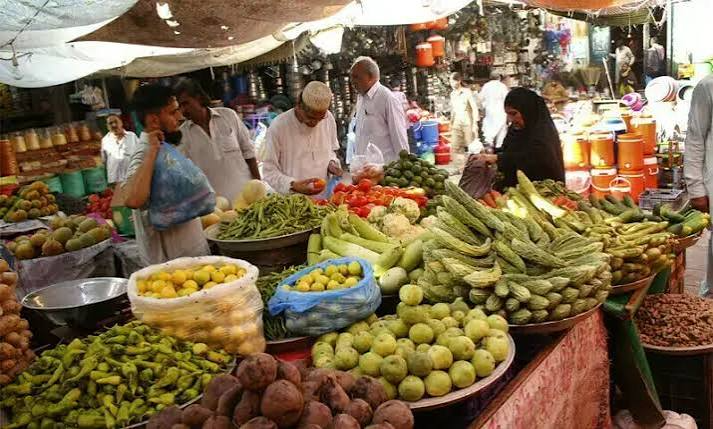
Food inflation is surging again, and for millions of households that means the weekly grocery trip is starting to feel like a small financial shock. Short term food costs have climbed more than 9 percent from a year earlier, pushed higher by global supply disruptions, tighter fertilizer flows, and local energy price spikes that have rippled through markets from farm fields to store shelves.
A familiar squeeze returns
We have seen this pattern before, and it is never easy for consumers. When food prices rise quickly, the change is felt in the most ordinary places: a carton of eggs in the refrigerator door, a loaf of bread on the counter, a bag of rice that now costs a little more than last month. The latest inflation reading reflects that pressure in a plain but painful way. Short term food inflation is moving faster than broader consumer prices, which tells us that households are absorbing a shock that is both immediate and uneven.
What makes the current rise especially difficult is that it is not being driven by a single cause. Instead, a chain of disruptions is feeding the increase. Global logistics remain strained in key export corridors, energy costs have jumped in some markets, and fertilizer shortages are raising production costs for farmers who are already working with thin margins. The result is a food price environment that feels less like a temporary wobble and more like a reminder of how fragile the modern supply chain can be.
What is pushing prices higher
At the center of the story are supply disruptions tied to conflict and shipping bottlenecks, especially around the Strait of Hormuz. That waterway is a crucial route for oil, gas, and fertilizer shipments, and disruptions there have pushed input costs sharply higher. The Food and Agriculture Organization has warned that fertilizer and energy shortages can move through the food system with a delay, meaning the worst effects often arrive weeks or months after the original shock.
At the same time, local energy price spikes are making food more expensive to produce, transport, and refrigerate. Fuel is embedded in nearly every stage of the food chain. It powers tractors, trucks, processing plants, port equipment, and the delivery systems that keep store shelves full. When energy costs rise, even briefly, the cost gets passed along in small increments that add up quickly. By the time shoppers see the result, the price change may look sudden, but the pressure has been building for some time.
The key pressure points
Several parts of the system are especially exposed:
- Fertilizer prices have risen sharply, raising crop production costs and reducing margins for farmers.
- Energy and fuel costs are increasing shipping and refrigeration expenses across the supply chain.
- Imported foods are more expensive when global shipping routes are disrupted or delayed.
- Households with limited budgets feel the impact first because food takes up a larger share of their monthly spending.
That last point matters more than any chart. Inflation is not felt evenly. For wealthier households, a 9 percent rise in short term food costs may mean a tighter budget and a few tradeoffs at the supermarket. For lower income families, it can mean cutting back on fresh produce, switching to cheaper staples, or skipping meals entirely. That is the human cost behind the statistics.
A global problem with local consequences
The burden is not confined to one country or one region. Major international markets are all feeling some version of the same strain, though the degree of pain varies. In import dependent economies, especially those that rely heavily on foreign grain, vegetable oils, or dairy products, the effect can be immediate and severe. In other places, the pressure shows up more gradually, through higher wholesale costs that eventually reach supermarket receipts.
World Bank and FAO analyses released earlier this year had already warned that food market risks were tilted upward in 2026 because of higher energy prices, fertilizer disruptions, and the possibility of weather related shocks. Those warnings now look more relevant than ever. The current surge does not arrive in isolation. It is part of a broader pattern in which commodity markets, conflict, and climate pressures reinforce one another. When those forces line up, food inflation can climb faster than policymakers expect and stay elevated longer than households can comfortably absorb.
Why this inflation feels so personal
Food prices are different from many other kinds of inflation because they touch daily life in a direct, intimate way. A rising rent bill may be painful, but a rising grocery bill is constant. It follows people into breakfast, lunch, and dinner. It shapes school lunches, family gatherings, and the quiet math of deciding whether to buy the better fruit or the cheaper one. That repetition gives food inflation a special kind of emotional weight.
We should not underestimate that feeling. When household budgets tighten, people do not only spend less. They also spend differently. They compare brands more closely, buy fewer prepared foods, and look for sales with a kind of seriousness that says a lot about the moment. Grocery aisles become less about routine and more about calculation. That is one reason policymakers watch food inflation so closely. It is both an economic measure and a social one.
What the numbers suggest next
Short term food inflation above 9 percent year over year is unlikely to fade quickly if supply conditions remain unstable. The World Bank has warned that elevated energy and fertilizer costs can keep food prices high even when harvests are otherwise decent, because the cost pressure is being transmitted through inputs rather than only through shortages of finished products. If transport routes stay volatile or if additional weather disruptions hit key growing regions, prices could stay elevated into the next season.
The Consumer Price Index can help show how that pressure reaches households over time. The U.S. Bureau of Labor Statistics, for example, tracks food and energy inflation separately from the rest of the consumer basket, which is useful because those categories often move differently from shelter, services, and core goods. Readers can follow the official CPI series through the Bureau of Labor Statistics, while global commodity trends are tracked by the FAO Food Price Index.
How households can respond
While no family can solve global supply chain disruption at the kitchen table, there are practical ways to soften the blow. Buying staples in larger quantities when prices are stable, comparing unit prices rather than package sizes, and planning meals around lower cost proteins can help. So can using frozen vegetables, store brands, and recipes built around grains, beans, and seasonal produce. These are not glamorous choices, but they are effective ones, and they matter when inflation moves faster than wages.
There is also a broader policy lesson here. Governments can help by protecting low income households, stabilizing transport and energy systems, and avoiding export restrictions that worsen global scarcity. That kind of response does not make inflation disappear, but it can prevent a temporary supply shock from becoming a longer and more damaging affordability crisis.
The bigger warning
The rise in short term food costs is more than a narrow price story. It is a warning about how exposed the global food system remains to shocks in energy, trade, and geopolitics. When a shipping lane slows, a fertilizer supply tightens, or fuel prices jump, the consequences do not stay at the port or on the farm. They eventually land in shopping carts, lunch boxes, and household budgets.
That is why this inflation reading deserves close attention. It is not simply telling us that food got more expensive. It is telling us that the system behind the food is still under stress, and that consumers around the world are paying for that stress in real time. If supply disruptions continue, we may see more price spikes before we see relief.