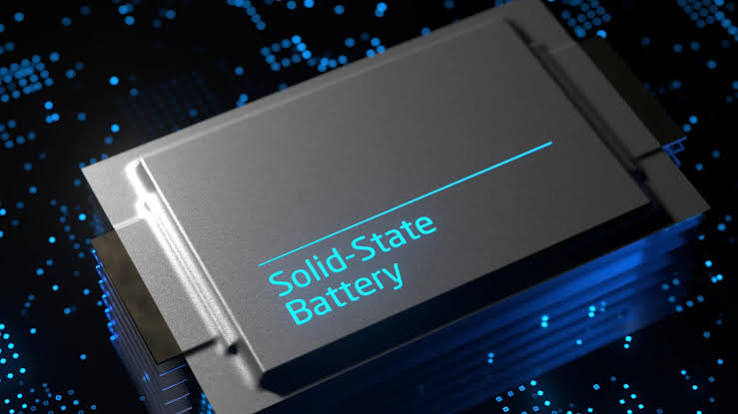
Between July 10 and July 12 2026 researchers announced a clear explanation for a problem that has held back solid state batteries for years. They showed how tiny lithium tendrils called dendrites generate enough force to crack the ceramic electrolyte inside these next generation cells and they demonstrated practical ways to relieve that stress. The result is a far more credible path toward safer longer lasting batteries that could power everything from phones and electric vehicles to grid storage.
Why this matters for safety and range
Liquid electrolyte batteries in today devices and cars can leak and burn when damaged or shorted. Solid state batteries replace that flammable liquid with a stiff ceramic or glassy material that conducts lithium ions while acting as a physical barrier. The promise is huge. Higher energy density means more range for electric vehicles. Faster charging becomes realistic. Thermal runaway risks drop because there is no flammable solvent to ignite.
Yet one stubborn failure mode kept showing up in labs. After repeated charging cycles hairline cracks would appear in the ceramic. Once a crack formed lithium metal would push through it creating a short circuit. That is the kind of failure that kills a battery and sometimes starts a fire. The new work explains exactly how that cracking starts and offers design rules to prevent it.
What the researchers found
Using advanced imaging and controlled charging tests the team watched lithium deposit on the ceramic surface in real time. As lithium plated unevenly it formed sharp protrusions that pressed into the ceramic like tiny wedges. Each plating cycle added more pressure at the tip of the protrusion. Eventually the local stress exceeded the fracture toughness of the ceramic and a microcrack initiated. Once a crack opened more lithium rushed in and the crack grew like a zipper.
The key insight is that the crack is not just a random flaw. It is a mechanical consequence of how lithium grows and how the ceramic responds to that growth. That means the solution is not only to find tougher ceramics but also to change how lithium plates and how the interface between lithium and ceramic is engineered.
Design rules emerging from the work
Several practical levers stand out for engineers developing solid state cells. First controlling current density during charging so lithium plates more evenly reduces the peak stress at any single point. Second adding a thin compliant layer between the lithium metal and the ceramic spreads the load and blunts the tip of the dendrite before it can wedge open a crack. Third tailoring the microstructure of the ceramic so grain boundaries are less prone to fracture raises the threshold at which cracks start.
These changes are not abstract. They translate into specific manufacturing choices such as coating thicknesses stack pressure during cell assembly and the waveform used during fast charging protocols. That is why this work feels different from earlier reports. It moves from diagnosis to prescription.
How this could change everyday tech
For consumers the most tangible benefits would be longer range for electric cars and phones that charge in minutes without overheating. A solid state pack with the same weight as a conventional pack could store more energy simply because the electrolyte takes less space and lithium metal replaces the graphite anode. That extra energy density means fewer charging stops on long drives and less battery weight for the same range.
Safety improves in ways that matter on the road and at home. A punctured solid state cell is far less likely to catch fire than a pierced liquid cell because there is no flammable electrolyte to ignite. That reduces the severity of crash fires and makes home charging less stressful for families. For grid operators the same chemistry could enable safer stationary storage with higher round trip efficiency and longer calendar life.
What still stands in the way
Turning a lab insight into a mass produced product is never simple. Solid state cells must be manufactured at scale with tight tolerances and at costs that compete with today lithium ion lines. The compliant interlayers that help prevent cracking must be stable over thousands of cycles and compatible with high volume coating processes. The stack pressure that keeps interfaces intimate must be maintained across large battery modules without excessive weight or complexity.
Supply chains for advanced ceramics and lithium metal also need to scale. Quality control must detect microscopic defects before they become failure points. And regulators will require robust testing data on crash performance thermal behavior and long term degradation before approving widespread use in vehicles.
Why the timing is right
The breakthrough arrives as the industry searches for the next leap in energy storage. Electric vehicle adoption is accelerating but range anxiety and charging speed remain top concerns for many buyers. At the same time utilities and data centers need more storage to balance intermittent renewables and manage peak loads. The market incentive to move beyond today chemistry is strong and the technical path is clearer than it was even two years ago.
Companies that can integrate these findings into pilot lines quickly will gain a head start. Early adopters will likely appear in premium segments such as high end electric vehicles and specialized devices where performance and safety justify higher initial costs. As yields improve and costs fall the technology can migrate to mainstream applications.
Broader implications for energy transition
Safer higher energy density batteries make it easier to replace fossil fuels in transport and power. Longer range and faster charging reduce the need for oversized battery packs and the associated mining burden. Grid storage that can cycle daily for years without safety incidents helps integrate more wind and solar. The downstream effect is a cleaner energy system with fewer bottlenecks and less public anxiety about battery fires.
It is also a reminder that progress often comes from solving the small hard problems that others overlook. Peering inside a working cell and watching how a crack starts is painstaking work. But that is exactly the kind of insight that unlocks the next generation of products.
Where to learn more
For readers who want deeper technical context the U.S. Department of Energy maintains accessible summaries of battery research including solid state programs. The International Energy Agency also publishes regular reports on battery technology trends and their role in the clean energy transition.
U.S. Department of Energy battery research overview and International Energy Agency battery technology reports provide authoritative background on the science and the policy landscape.