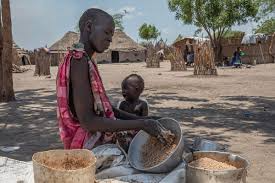
We envision mothers in sun baked villages portioning meager sorghum handfuls to wide eyed children, dust clinging to empty bowls under relentless skies. FAO and WFP issue a dire alert on April 29, 2026, warning that 7.8 million South Sudanese, over half the population, grapple with acute food insecurity from brutal climate shocks and economic freefall. Resilience shines through, yet urgent aid beckons to bridge survival gaps.
The Scale of the Crisis Unfolds
IPC Phase 3 and above classifications mark emergency hunger levels across 60 percent of the country. Floods submerged 1.2 million hectares of farmland last season; droughts parched the rest. Markets empty as inflation hits 105 percent, staples like maize tripling in price.
Families trek miles for wild greens, bodies weakening under nutritional voids. Elders recount leaner times, but scale overwhelms: children dropping out of school to forage, futures dimming with each missed meal.
Climate Shocks Hammer Agriculture
Erratic rains flood Jonglei, washing away seed stocks and livestock. White Nile swells displace 300,000, camps swelling with malnourished arrivals. In Equatoria, prolonged dry spells wither cassava roots, primary caloric sources.
Farmers like Akuot replant resilient sorghum varieties, hands blistered from hoeing cracked earth. We hear hope in community seed banks, preserving heirlooms against oblivion.
Hunger Hotspots by Region
| Region | People in Crisis | Key Driver |
|---|---|---|
| Greater Upper Nile | 3.2 million | Floods |
| Greater Equatoria | 2.1 million | Drought |
| Greater Bahr el Ghazal | 2.5 million | Conflict/economy |
Economic Decline Deepens Despair
Oil revenues plummet 40 percent from global price dips; currency crashes erode imports. Remittances dwindle as diaspora jobs vanish abroad. Markets in Juba reflect scarcity, traders bartering goats for grain amid empty shelves.
Women led households bear heaviest loads, 65 percent of affected. Nyandeng sells handmade baskets for salt, ingenuity sustaining kin through barters.
Human Stories from the Frontlines
In Bentiu IDP camp, 8 year old Deng shares one ladle of watery porridge daily, ribs stark under stretched skin. His mother, displaced by floods, joins WFP distributions, fortified blends restoring faint smiles. “Eyes brighten with full bellies,” aid workers note.
Resilient farmers in Yei adopt drought tolerant crops via FAO trainings, yields doubling small plots. We witness determination in callused hands tilling red soils, seeds of tomorrow sown today.
International Response Ramps Up
FAO and WFP seek $1.7 billion for lean season aid, cash transfers buying local foods. Mobile clinics treat 200,000 malnourished kids monthly, peanut pastes rebuilding strength. Partners like WFP South Sudan operations airlift supplies to remote airstrips.
Local NGOs train 50,000 in nutrition gardens, fish ponds yielding protein. Solar pumps irrigate fields, climate tech bridging gaps.
Immediate Aid Needs
- Food rations for 4 million through October.
- Seeds and tools for 1.5 million farmers.
- Health support for 500,000 children.
Long Term Paths to Resilience
Climate smart agriculture spreads: agroforestry sequesters carbon while feeding. Early warning systems via SMS alert floods, evacuations saving lives. Peace dividends from recent truces allow market access, traders traversing safer roads.
Women cooperatives process harvests, income stabilizing homes. Schools resume feeding programs, attendance climbing as plates fill.
Global Solidarity Called For
Donors pledge surges needed; individuals contribute via verified channels. Awareness campaigns share survivor voices, bridging distant concerns to urgent realities. We stand with South Sudanese, their fortitude inspiring action.
Seeds of Hope Amid Hardship
First rains coax green shoots from parched lands, mirroring human spirit. Aid convoys rumble in, bowls fill, children play again. Collective resolve turns crisis tides, nurturing a South Sudan where hunger yields to abundance.