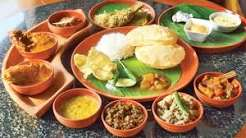
International travel investors and prominent chefs are placing food, heritage and high end hospitality at the center of a renewed tourism push across South and Southeast Asia. Sri Lanka is emerging as a particularly notable destination, while Singapore, Thailand and Vietnam are building increasingly sophisticated food experiences around historic neighborhoods, traditional recipes and locally rooted dining. For travelers, the change means that a destination can now be experienced as much through its kitchens, markets and family recipes as through its monuments and beaches.
Why Culinary Tourism Is Becoming a Major Travel Driver
Food has always been part of travel, but the role it plays in destination planning is changing. Travelers are increasingly looking for experiences that connect them with local people, history and place. A meal prepared with regional ingredients can provide that connection in a way that a conventional sightseeing stop sometimes cannot.
We can see this shift clearly across Asia. Tourism authorities are promoting food festivals, heritage dining districts, local markets and chef led experiences alongside conventional attractions. The result is a tourism model in which restaurants, cooking traditions, agricultural communities and historic buildings become part of the destination itself.
The trend also creates an attractive proposition for investors. A luxury hotel can be built in many parts of the world, but a property connected to an authentic culinary tradition has a distinctive story. Investors can combine accommodation, restaurants, cooking classes, local food tours, gardens, markets and cultural programming into a single experience that encourages visitors to stay longer and spend more locally.
Sri Lanka Finds New Strength in Its Culinary Identity
Sri Lanka is particularly well positioned for this movement because its cuisine reflects centuries of interaction between South Asian, Arab, Portuguese, Dutch and other influences. Coconut, rice, seafood, spices, tropical fruit and regional cooking techniques produce a food culture that varies significantly from the coastal areas to the central hills and northern communities.
The country’s tourism recovery provides an important backdrop. Sri Lanka recorded 2,333,797 tourist arrivals in 2025, surpassing its previous record of 2,333,796 arrivals recorded in 2018. Tourism authorities have also continued to position cultural experiences, heritage, wellness and local hospitality as important parts of the island’s appeal. :contentReference[oaicite:0]{index=0}
That recovery is attracting renewed attention to accommodation and hospitality development. Sri Lanka Tourism currently lists a broad range of registered properties, including boutique hotels, heritage bungalows, villas, homestays and other forms of accommodation. The official accommodation directory illustrates how the country’s tourism offering is moving beyond conventional large hotels toward smaller properties that can connect visitors with local environments and communities. :contentReference[oaicite:1]{index=1}
The investment story is substantial as well. Sri Lanka’s Tourism Development Authority said in 2025 that its investor relations unit had facilitated 1,206 tourism investment projects since 2010, representing cumulative investment of about $8.7 billion and covering nearly 50,000 rooms. The government has also been working on a new tourism strategy covering 2026 through 2031, with attention to investment, sustainability, demand and supply and long term competitiveness. :contentReference[oaicite:2]{index=2}
From Street Food to Luxury Tables
The opportunity for Sri Lanka is not simply to build expensive restaurants. Its strongest culinary asset may be the connection between everyday food and place. A traveler eating a hopper at a neighborhood restaurant, visiting a spice market in Colombo, tasting seafood along the southern coast or sharing a rice and curry meal in the hill country is participating in a living food culture.
Luxury hospitality can build around those experiences without removing their local character. A high end property might source vegetables from nearby farmers, invite regional cooks to demonstrate traditional techniques, organize visits to tea estates or arrange private meals based on recipes associated with a particular community. The value comes from context as much as presentation.
Sri Lanka’s growing international reputation as a food destination adds another layer to this movement. Sri Lanka Tourism highlights its recognition in the 2025 Condé Nast Traveler Readers’ Choice Awards, where the country was placed among leading food destinations. :contentReference[oaicite:3]{index=3}
Southeast Asian Cities Are Turning Food Heritage Into Tourism Assets
The same pattern is visible across Southeast Asia, where established food cultures are being connected to premium travel experiences. Singapore provides one of the clearest examples. Its tourism authorities promote both Michelin recognized restaurants and traditional hawker centers, presenting them as complementary parts of the country’s culinary identity.
That combination matters. Visitors can move from a historic hawker center to a sophisticated restaurant within the same itinerary, experiencing different layers of Singaporean food culture. Traditional dishes, family businesses, historic neighborhoods and contemporary dining concepts can therefore coexist within a single tourism economy. :contentReference[oaicite:4]{index=4}
Singapore’s approach also demonstrates why heritage venues can become valuable tourism destinations without being reduced to museum pieces. Historic districts such as Chinatown, Kampong Gelam and Katong Joo Chiat combine architecture, community history, retail and food. The dining experience becomes part of understanding the neighborhood rather than a separate activity. :contentReference[oaicite:5]{index=5}
Thailand Connects Luxury Travel With Gastronomy
Thailand is taking a similar approach while targeting travelers who seek premium experiences. In August 2026, the Tourism Authority of Thailand announced a partnership with Private Luxury Events for an invitation only event scheduled for Bangkok in 2027. The program is intended to connect Thailand with a global network of high net worth travelers and includes gastronomy, wellness, arts, living heritage and locally rooted experiences within its luxury tourism strategy. :contentReference[oaicite:6]{index=6}
Thailand also has a strong foundation in regional food tourism. Phuket has been promoted as a city of gastronomy, with its food identity spanning traditional Thai cuisine, Sino Portuguese influences, seafood and street food alongside upscale restaurants. Phetchaburi, meanwhile, has been promoted through gastronomy events that connect local dishes and cultural activities with tourism. :contentReference[oaicite:7]{index=7}
For investors, these destinations offer a useful lesson. Luxury does not necessarily require separating visitors from ordinary local life. In many Asian markets, premium travel can be built around access to authentic experiences that would otherwise be difficult for an international visitor to discover.
Vietnam Places Heritage Cuisine at the Center of Travel
Vietnam is also strengthening the link between culinary heritage and tourism. The country’s tourism authority describes its cuisine through regional differences, local ingredients and traditions shaped by geography and history. That approach is visible in destinations such as Hoi An, where historic architecture and food are presented together as expressions of the city’s past as a trading port. :contentReference[oaicite:8]{index=8}
Hue provides another strong example. During September 2026, the Hue Culinary Capital 2026 festival has been promoting the city’s culinary heritage as a core tourism product and presenting food as a living connection between the past and present. Vietnam is also preparing a gastronomy festival in Hanoi in October focused on culinary traditions and traditional craft villages. :contentReference[oaicite:9]{index=9}
This approach gives heritage tourism a more intimate dimension. A visitor may remember an ancient building, but a meal connected to that building can become a personal memory involving taste, scent, conversation and discovery.
What Investors Are Looking For in the New Food Economy
The emerging model is broader than restaurant investment. Developers and hospitality groups can combine several elements into one destination experience:
- Heritage hotels and restored historic properties with distinctive dining programs
- Chef led restaurants using regional ingredients and traditional techniques
- Cooking schools connected to local households, farmers and food producers
- Food markets and walking tours focused on neighborhood history
- Luxury retreats offering private meals, farm visits and regional tasting experiences
The strongest projects are likely to be those that create genuine economic links with local communities. Farmers, fishermen, cooks, artisans, guides and small food businesses can all participate when tourism development is designed around the existing character of a place.
Why Authenticity Matters as Luxury Dining Expands
There is also a clear risk in this revival. When traditional food becomes fashionable, local dishes can be altered so extensively that their connection to the community becomes difficult to recognize. A heritage property can also become little more than a decorative backdrop if local residents and traditions are excluded from the experience.
Responsible culinary tourism therefore requires more than attractive menus and restored buildings. Investors need to consider sourcing, wages, cultural ownership, environmental pressures and the long term survival of traditional food knowledge. The best experiences should leave visitors with greater appreciation for the people and places behind the food, while allowing local communities to share in the economic benefits.
A New Chapter for Asian Travel
We are seeing a broader change in the way destinations define value. Beaches, temples, historic buildings and luxury rooms remain important, but travelers increasingly want to know what makes a place distinct. Food answers that question in a remarkably direct way.
Sri Lanka has the ingredients for this next chapter: a recovering tourism industry, strong culinary traditions, diverse landscapes, heritage properties and renewed investor attention. Southeast Asian hubs such as Singapore, Thailand and Vietnam demonstrate how food can sit at the intersection of luxury hospitality, cultural preservation and destination marketing.
If this movement continues, the next generation of Asian tourism projects may be judged not only by the quality of their rooms or restaurants, but by how convincingly they connect visitors with the communities and traditions around them. For travelers, that could mean journeys where a market breakfast, an old family recipe or a chef’s conversation becomes just as memorable as the landmark that brought them there.
For the region’s tourism economies, the opportunity is equally significant. Culinary tourism can distribute visitor spending beyond conventional attractions, create new roles for local producers and keep traditional knowledge economically relevant. Sri Lanka and Southeast Asia are showing that the future of luxury travel does not necessarily require leaving local culture behind. Increasingly, the culture itself is becoming the destination.